Data may be outdated
Last updated: 9 months ago — Click refresh to get the latest statistics.
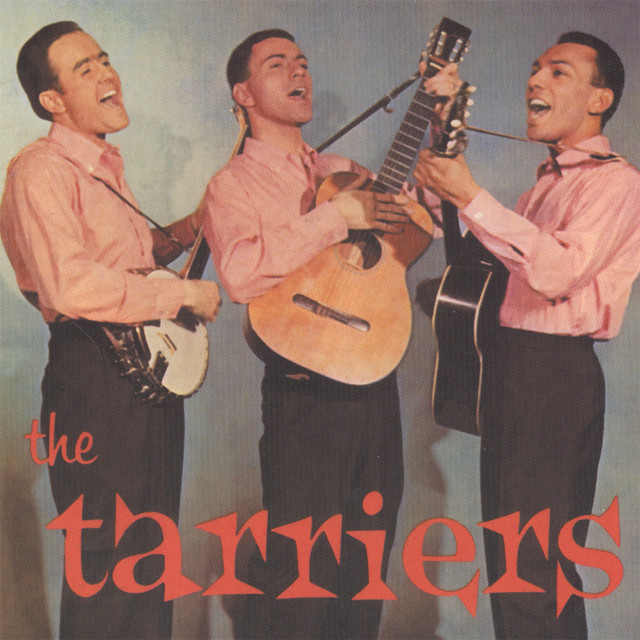
The Tarriers recorded "Tom Dooley" on their debut album in 1957, a year before the song became a massive hit for <a href="spotify:artist:3qtcbDvdIgQOXkPbtRvBaQ">the Kingston Trio</a>. They also released and had a minor hit with "The Banana Boat Song," before <a href="spotify:artist:6Tw1ktF4xMmzaLLbe98I2z">Harry Belafonte</a> recorded the same song and started the calypso craze. Despite the talent of <a href="spotify:artist:10d2A1Q9bdMCwYnh1yp4rI">Erik Darling</a>, Alan Arkin, and Bob Carey, the Tarriers never received credit for their originality, nor did they find a niche in the bourgeoning folk boom of the late '50 and early '60s.
<a href="spotify:artist:10d2A1Q9bdMCwYnh1yp4rI">Darling</a> put together several combos in the early to mid-'50s, hoping to emulate the success of <a href="spotify:artist:4E5eAkpbJLO40r8fWNWm6X">the Weavers</a>. He formed a group called the Tunetellers with Bob Carey, <a href="spotify:artist:6gYjIUFuKIBVJfxXnmrd5P">Carl Carlton</a>, Al Wood, and Ray Yavneh, but an ill-fated appearance at the Circle in the Square Theatre brought a quick end to the partnership. <a href="spotify:artist:10d2A1Q9bdMCwYnh1yp4rI">Darling</a>, Carey, and <a href="spotify:artist:6gYjIUFuKIBVJfxXnmrd5P">Carlton</a> regrouped with Alan Arkin and named their group after the Irish folk song "Drill, Ye Tarriers, Drill." Former <a href="spotify:artist:4E5eAkpbJLO40r8fWNWm6X">Weavers</a>' manager Pete Kameron worked to find the band a recording contract, but the major labels initially showed no interest. The band dissolved and re-formed without <a href="spotify:artist:6gYjIUFuKIBVJfxXnmrd5P">Carlton</a>, then polished their live act in New York's Catskill Mountains.
In the fall of 1956, the Tarriers recorded their first tracks in a Manhattan studio for Glory Records. The sessions produced "The Banana Boat Song," a calypso-influenced piece that <a href="spotify:artist:10d2A1Q9bdMCwYnh1yp4rI">Darling</a> had first heard from <a href="spotify:artist:5WLoAqg0ZvFZhRImCFIuBE">Bob Gibson</a> in Washington Square. While the song reached number four on Billboard, <a href="spotify:search:label%3A%22RCA%22">RCA</a> quickly grabbed it for inclusion on <a href="spotify:artist:6Tw1ktF4xMmzaLLbe98I2z">Belafonte</a>'s new album. The Tarriers returned to the studio in 1957 to record additional tracks for their self-titled debut, and released "Those Brown Eyes," "Pretty Boy," and "Quinto" as follow-up singles. When these singles failed to chart, Glory allowed the band's year-long contract to lapse.
The Tarriers launched a European tour in 1957, playing a number of dates at the Olympia Theater in Paris and releasing a live set on a French record label. Despite this success, Arkin opted to leave the group, going on to a successful career as an actor, and was replaced by Clarence Cooper. The Tarriers recorded a second studio effort tilted Hard Travelin' on <a href="spotify:search:label%3A%22United+Artists%22">United Artists</a> in 1959, but the album failed to find an audience. <a href="spotify:artist:10d2A1Q9bdMCwYnh1yp4rI">Darling</a>'s talent was nonetheless recognized by <a href="spotify:artist:4rjIYhUqzIyGqaJiLMWH57">Fred Hellerman</a>, who invited him to take part in <a href="spotify:artist:4E5eAkpbJLO40r8fWNWm6X">the Weavers</a>' next rehearsal. Throughout 1959, <a href="spotify:artist:10d2A1Q9bdMCwYnh1yp4rI">Darling</a> juggled his career between the two bands until scheduling conflicts led to his departure from the Tarriers.
After <a href="spotify:artist:2dIzGSHkciATTqFH3Xox5g">Eric Weissberg</a> joined the Tarriers, the band recorded Tell the World About This on <a href="spotify:search:label%3A%22Atlantic+Records%22">Atlantic Records</a>. Internal problems began to threaten the group, however; Carey became less reliable and Marshall Brickman was hired as a standby in case he failed to show. In 1963, Carey was booted from the group. In the spring of 1964, when <a href="spotify:artist:2dIzGSHkciATTqFH3Xox5g">Weissberg</a> departed for National Guard duty, the group temporarily disbanded. When he returned, the band re-formed with Al Dana replacing Brickman and in 1965, they joined <a href="spotify:artist:5yzE49FicYiSxN61oaxkNn">Judy Collins</a> on a tour of Poland and Russia. After the tour, the Tarriers fizzled out. Brickman would later find success as a playwright and screenwriter, winning an Oscar for co-writing the script to Annie Hall with <a href="spotify:artist:7HPDGnxb8oSBQ0HuNx2xqR">Woody Allen</a>.
The Tarriers left behind a handful of worthy folk recordings, but in a number of ways, they were ahead of their time. Other groups would emulate their arrangements and song choices with greater success. The presence of Carey, and later Cooper, also reflected a racial diversity that was unusual, especially during the early part of the revival. In 2001, <a href="spotify:search:label%3A%22Folk+Era%22">Folk Era</a> reissued the band's debut along with a number of live tracks. ~ Ronnie D. Lankford, Jr., Rovi
<a href="spotify:artist:10d2A1Q9bdMCwYnh1yp4rI">Darling</a> put together several combos in the early to mid-'50s, hoping to emulate the success of <a href="spotify:artist:4E5eAkpbJLO40r8fWNWm6X">the Weavers</a>. He formed a group called the Tunetellers with Bob Carey, <a href="spotify:artist:6gYjIUFuKIBVJfxXnmrd5P">Carl Carlton</a>, Al Wood, and Ray Yavneh, but an ill-fated appearance at the Circle in the Square Theatre brought a quick end to the partnership. <a href="spotify:artist:10d2A1Q9bdMCwYnh1yp4rI">Darling</a>, Carey, and <a href="spotify:artist:6gYjIUFuKIBVJfxXnmrd5P">Carlton</a> regrouped with Alan Arkin and named their group after the Irish folk song "Drill, Ye Tarriers, Drill." Former <a href="spotify:artist:4E5eAkpbJLO40r8fWNWm6X">Weavers</a>' manager Pete Kameron worked to find the band a recording contract, but the major labels initially showed no interest. The band dissolved and re-formed without <a href="spotify:artist:6gYjIUFuKIBVJfxXnmrd5P">Carlton</a>, then polished their live act in New York's Catskill Mountains.
In the fall of 1956, the Tarriers recorded their first tracks in a Manhattan studio for Glory Records. The sessions produced "The Banana Boat Song," a calypso-influenced piece that <a href="spotify:artist:10d2A1Q9bdMCwYnh1yp4rI">Darling</a> had first heard from <a href="spotify:artist:5WLoAqg0ZvFZhRImCFIuBE">Bob Gibson</a> in Washington Square. While the song reached number four on Billboard, <a href="spotify:search:label%3A%22RCA%22">RCA</a> quickly grabbed it for inclusion on <a href="spotify:artist:6Tw1ktF4xMmzaLLbe98I2z">Belafonte</a>'s new album. The Tarriers returned to the studio in 1957 to record additional tracks for their self-titled debut, and released "Those Brown Eyes," "Pretty Boy," and "Quinto" as follow-up singles. When these singles failed to chart, Glory allowed the band's year-long contract to lapse.
The Tarriers launched a European tour in 1957, playing a number of dates at the Olympia Theater in Paris and releasing a live set on a French record label. Despite this success, Arkin opted to leave the group, going on to a successful career as an actor, and was replaced by Clarence Cooper. The Tarriers recorded a second studio effort tilted Hard Travelin' on <a href="spotify:search:label%3A%22United+Artists%22">United Artists</a> in 1959, but the album failed to find an audience. <a href="spotify:artist:10d2A1Q9bdMCwYnh1yp4rI">Darling</a>'s talent was nonetheless recognized by <a href="spotify:artist:4rjIYhUqzIyGqaJiLMWH57">Fred Hellerman</a>, who invited him to take part in <a href="spotify:artist:4E5eAkpbJLO40r8fWNWm6X">the Weavers</a>' next rehearsal. Throughout 1959, <a href="spotify:artist:10d2A1Q9bdMCwYnh1yp4rI">Darling</a> juggled his career between the two bands until scheduling conflicts led to his departure from the Tarriers.
After <a href="spotify:artist:2dIzGSHkciATTqFH3Xox5g">Eric Weissberg</a> joined the Tarriers, the band recorded Tell the World About This on <a href="spotify:search:label%3A%22Atlantic+Records%22">Atlantic Records</a>. Internal problems began to threaten the group, however; Carey became less reliable and Marshall Brickman was hired as a standby in case he failed to show. In 1963, Carey was booted from the group. In the spring of 1964, when <a href="spotify:artist:2dIzGSHkciATTqFH3Xox5g">Weissberg</a> departed for National Guard duty, the group temporarily disbanded. When he returned, the band re-formed with Al Dana replacing Brickman and in 1965, they joined <a href="spotify:artist:5yzE49FicYiSxN61oaxkNn">Judy Collins</a> on a tour of Poland and Russia. After the tour, the Tarriers fizzled out. Brickman would later find success as a playwright and screenwriter, winning an Oscar for co-writing the script to Annie Hall with <a href="spotify:artist:7HPDGnxb8oSBQ0HuNx2xqR">Woody Allen</a>.
The Tarriers left behind a handful of worthy folk recordings, but in a number of ways, they were ahead of their time. Other groups would emulate their arrangements and song choices with greater success. The presence of Carey, and later Cooper, also reflected a racial diversity that was unusual, especially during the early part of the revival. In 2001, <a href="spotify:search:label%3A%22Folk+Era%22">Folk Era</a> reissued the band's debut along with a number of live tracks. ~ Ronnie D. Lankford, Jr., Rovi
Monthly Listeners
1,253
Monthly Listeners History
Track the evolution of monthly listeners over the last 28 days.
Followers
942
Followers History
Track the evolution of followers over the last 28 days.
Top Cities

Related Artists

Eddie Brown
Joe Gilbert

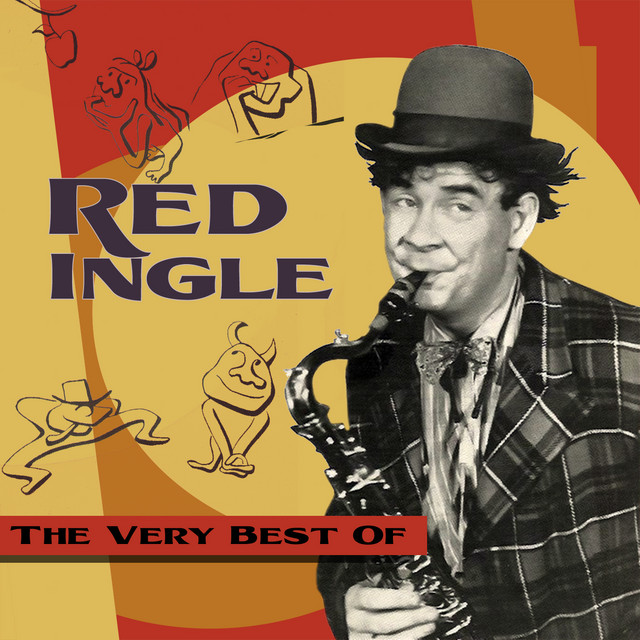
Red Ingle
The Vipers
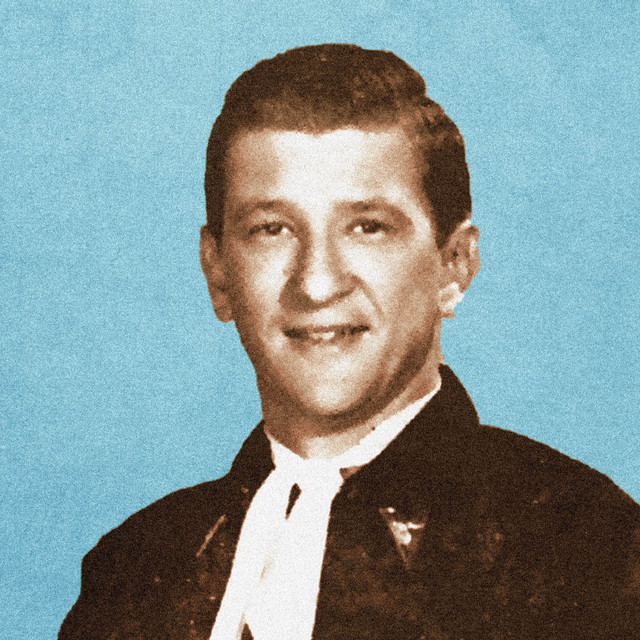
Les Hobeaux Skiffle Group

The Jim Kweskin Jug Band
The Two Tones


The Halifax Three

Michael Lessac

The Back Porch Majority
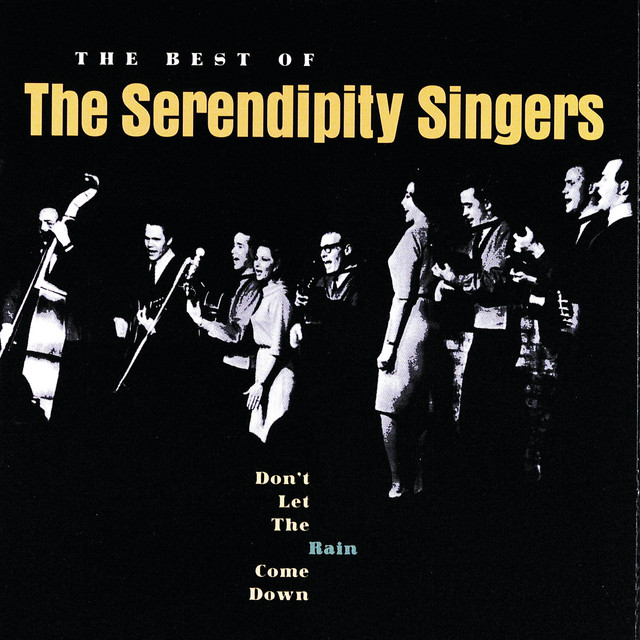

The City Ramblers Skiffle Group

The Firesiders

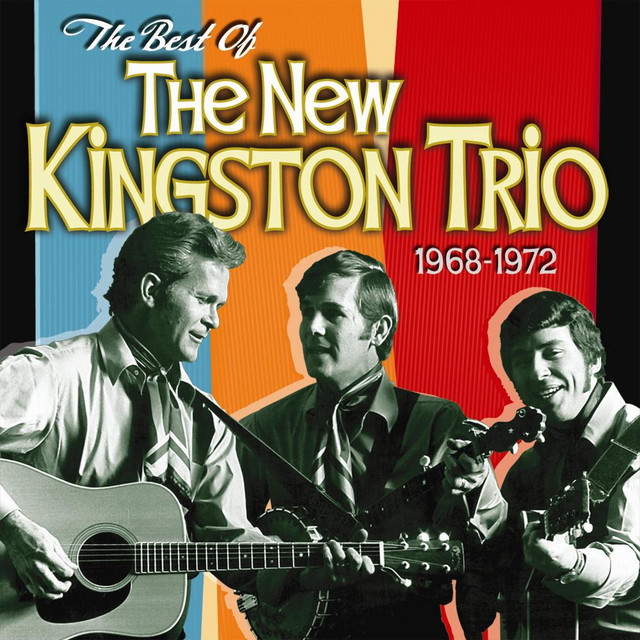
The New Kingston Trio
The Glencoves


Cy Grant



Bob Camp


The Cherry Creek Singers