Data may be outdated
Last updated: 9 months ago — Click refresh to get the latest statistics.
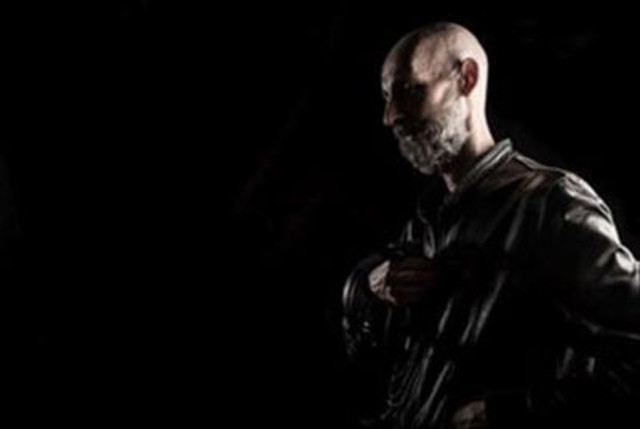
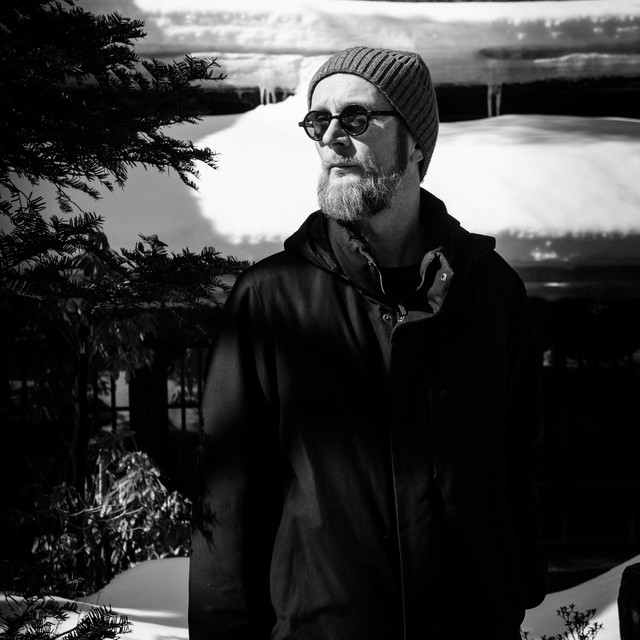
Dale Lawrence has explored the flipside of Motor City techno, constructing photographic negatives of the percussion-heavy dramatics of producers like <a href="spotify:artist:0v6N0xV7AfHHKVcgUOjC51">Derrick May</a> and <a href="spotify:artist:208EQzx7RmoE2Ng9gF2edh">Juan Atkins</a>. Similar to his labelmate <a href="spotify:artist:3AhwIUus3pIaA3CvYBEtpy">Richie Hawtin</a> (aka <a href="spotify:artist:7GoFQNOTX0suC6Tn59qx8n">Plastikman</a>), Lawrence's productions as Theorem explore techno's relationship to ambient and dub with copious amounts of delay and echo, and a melodic sense as hypnotic as it is discreet.
Born and raised in the Detroit area, Lawrence was surrounded by classic electronic music from an early age. He began recording his own productions in 1986, and moved to a downtown loft by 1992 to pursue a serious recording career with a collective of DJs and musicians. After contacting <a href="spotify:artist:3AhwIUus3pIaA3CvYBEtpy">Hawtin</a> to release some of their material however, the collective disbanded. Lawrence persevered and began recording for <a href="spotify:artist:3AhwIUus3pIaA3CvYBEtpy">Hawtin</a>'s <a href="spotify:search:label%3A%22Plus-8+Records%22">Plus-8 Records</a> with a 1996 full-length, Nano.
The album reflected the continuing global influence of <a href="spotify:artist:37um1uxI92g4ll61LzrtB5">Basic Channel</a>, a combination label/artist concern centered in Berlin. The city had long fostered a close kinship Detroit, with the focus on echo-chamber dub and polar electronics also becoming evident in <a href="spotify:artist:3AhwIUus3pIaA3CvYBEtpy">Hawtin</a>'s work as <a href="spotify:artist:7GoFQNOTX0suC6Tn59qx8n">Plastikman</a>. The development of a <a href="spotify:search:label%3A%22Plus-8%22">Plus-8</a> subsidiary named <a href="spotify:search:label%3A%22Minus%22">Minus</a> (or <a href="spotify:search:label%3A%22M_nus%22">M_nus</a>) appeared well-suited for Theorem work. During 1998, Lawrence released a four EPs in the TH series. Much of the work was compiled on CD the following year when Theorem's second full-length, Ion, appeared in May 1999. ~ John Bush, Rovi
Born and raised in the Detroit area, Lawrence was surrounded by classic electronic music from an early age. He began recording his own productions in 1986, and moved to a downtown loft by 1992 to pursue a serious recording career with a collective of DJs and musicians. After contacting <a href="spotify:artist:3AhwIUus3pIaA3CvYBEtpy">Hawtin</a> to release some of their material however, the collective disbanded. Lawrence persevered and began recording for <a href="spotify:artist:3AhwIUus3pIaA3CvYBEtpy">Hawtin</a>'s <a href="spotify:search:label%3A%22Plus-8+Records%22">Plus-8 Records</a> with a 1996 full-length, Nano.
The album reflected the continuing global influence of <a href="spotify:artist:37um1uxI92g4ll61LzrtB5">Basic Channel</a>, a combination label/artist concern centered in Berlin. The city had long fostered a close kinship Detroit, with the focus on echo-chamber dub and polar electronics also becoming evident in <a href="spotify:artist:3AhwIUus3pIaA3CvYBEtpy">Hawtin</a>'s work as <a href="spotify:artist:7GoFQNOTX0suC6Tn59qx8n">Plastikman</a>. The development of a <a href="spotify:search:label%3A%22Plus-8%22">Plus-8</a> subsidiary named <a href="spotify:search:label%3A%22Minus%22">Minus</a> (or <a href="spotify:search:label%3A%22M_nus%22">M_nus</a>) appeared well-suited for Theorem work. During 1998, Lawrence released a four EPs in the TH series. Much of the work was compiled on CD the following year when Theorem's second full-length, Ion, appeared in May 1999. ~ John Bush, Rovi
Monthly Listeners
1,791
Monthly Listeners History
Track the evolution of monthly listeners over the last 28 days.
Followers
1,598
Followers History
Track the evolution of followers over the last 28 days.
Top Cities



Related Artists


Stewart Walker
D5

Pigon

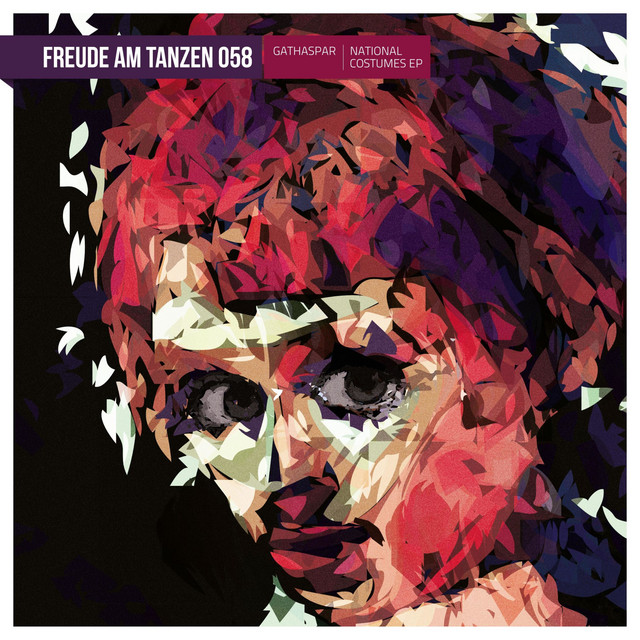
Gathaspar