Data may be outdated
Last updated: 9 months ago — Click refresh to get the latest statistics.
Ulvi Cemal Erkin was a composer, conductor, and educator of the 20th century known for his role in shaping Turkish classical music. He was also an important member of the "Turkish Five" composers, who created a uniquely Turkish musical aesthetic by combining Turkish folk melodies and rhythms with modal tonalities and lush orchestrations.
Erkin was born in 1906 in Istanbul, and he began learning the piano from his mother when he was very young. His father passed away around 1913, and he moved with his mother and two brothers to his maternal grandfather's home. Later, he attended the Galatasaray Lycée, and he studied piano with local music teachers Mercenier and Adinolfi. After his graduation, he won a scholarship from the Turkish Ministry of National Education in 1925, which allowed for him to study music at the Paris Conservatory. His piano professors included Jean Batalla, Isidor Philipp, and Camile Decreus. This was followed by more advanced instruction from <a href="spotify:artist:1vfC2bld90kx966JTCSwf7">Nadia Boulanger</a>, Jean Galon, and Noel Galon at the École Normale de Musique, and Erkin returned to Turkey in 1930 for a teaching appointment at the Ankara School for Music Teachers.
Erkin's Two Dances for orchestra was premiered in 1931, and in 1932 he married Ferhunde Remzi, who was a pianist and colleague at the Ankara School. They inspired each other musically, and she became an important interpreter of his piano repertoire. The Turkish Music Revolution in the 1930s led to the creation of the Ankara State Conservatory in 1936, where Erkin was appointed head of the piano department. He remained in this position for the rest of his life, although he served temporarily as director of the conservatory from 1949 to 1951. In addition to teaching and composing, he also conducted student ensembles, and professional orchestras such as the Orchestre Colonne, the Paris Radio Symphony Orchestra, and the <a href="spotify:artist:35NnUEPKGspM23lTZvK3cb">Czech Philharmonic</a>. Also a musicologist, Erkin participated in collection tours in 1937 and 1938, which documented folk songs from many regions in Turkey. His 1942 Piano Concerto won the 1943 composition competition held by the Republican People's Party, and it was performed by his wife Remzi and the Presidential Orchestra. Erkin began to suffer from health problems in the late '50s, which gradually worsened. However, he composed until the late '60s, and he remained active in his roles with the Conservatory until 1972, when he died from a fatal stroke. His music can be heard on Ulvi Cemal Erkin: Symphony No. 2; Violin Concerto; Köçeckçe - Dance Rhapsody, To Anatolia: Selections from The Turkish Five, and Ravel, Schulhoff, Erkin. ~ RJ Lambert, Rovi
Erkin was born in 1906 in Istanbul, and he began learning the piano from his mother when he was very young. His father passed away around 1913, and he moved with his mother and two brothers to his maternal grandfather's home. Later, he attended the Galatasaray Lycée, and he studied piano with local music teachers Mercenier and Adinolfi. After his graduation, he won a scholarship from the Turkish Ministry of National Education in 1925, which allowed for him to study music at the Paris Conservatory. His piano professors included Jean Batalla, Isidor Philipp, and Camile Decreus. This was followed by more advanced instruction from <a href="spotify:artist:1vfC2bld90kx966JTCSwf7">Nadia Boulanger</a>, Jean Galon, and Noel Galon at the École Normale de Musique, and Erkin returned to Turkey in 1930 for a teaching appointment at the Ankara School for Music Teachers.
Erkin's Two Dances for orchestra was premiered in 1931, and in 1932 he married Ferhunde Remzi, who was a pianist and colleague at the Ankara School. They inspired each other musically, and she became an important interpreter of his piano repertoire. The Turkish Music Revolution in the 1930s led to the creation of the Ankara State Conservatory in 1936, where Erkin was appointed head of the piano department. He remained in this position for the rest of his life, although he served temporarily as director of the conservatory from 1949 to 1951. In addition to teaching and composing, he also conducted student ensembles, and professional orchestras such as the Orchestre Colonne, the Paris Radio Symphony Orchestra, and the <a href="spotify:artist:35NnUEPKGspM23lTZvK3cb">Czech Philharmonic</a>. Also a musicologist, Erkin participated in collection tours in 1937 and 1938, which documented folk songs from many regions in Turkey. His 1942 Piano Concerto won the 1943 composition competition held by the Republican People's Party, and it was performed by his wife Remzi and the Presidential Orchestra. Erkin began to suffer from health problems in the late '50s, which gradually worsened. However, he composed until the late '60s, and he remained active in his roles with the Conservatory until 1972, when he died from a fatal stroke. His music can be heard on Ulvi Cemal Erkin: Symphony No. 2; Violin Concerto; Köçeckçe - Dance Rhapsody, To Anatolia: Selections from The Turkish Five, and Ravel, Schulhoff, Erkin. ~ RJ Lambert, Rovi
Monthly Listeners
4,456
Monthly Listeners History
Track the evolution of monthly listeners over the last 28 days.
Followers
3,520
Followers History
Track the evolution of followers over the last 28 days.
Top Cities

Related Artists
Cemal Reşit Rey
Ahmet Adnan Saygun
Nevit Kodalli
Gürer Aykal
Hande Dalkılıç
Vedat Koşal

Ilhan Baran
Bülent Evcil

Kara Karayev

Seyit Yöre

Mesut Iktu

Ferid Alnar
Elmira Nazirova
Farhad Badalbeyli


Anonim

Ferit Tüzün

Turgay Erdener

Cem Esen
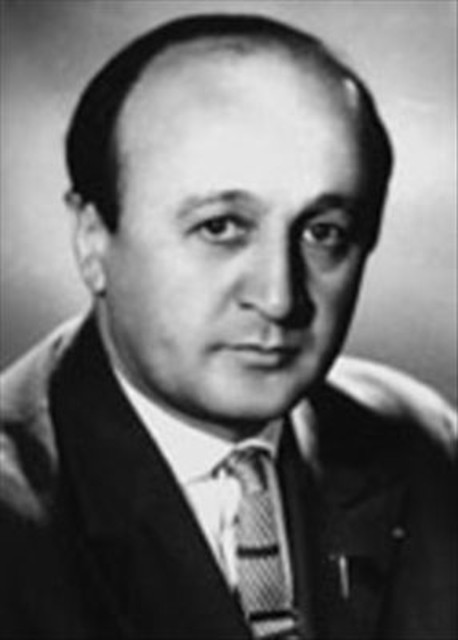

Necil Kazim Akses
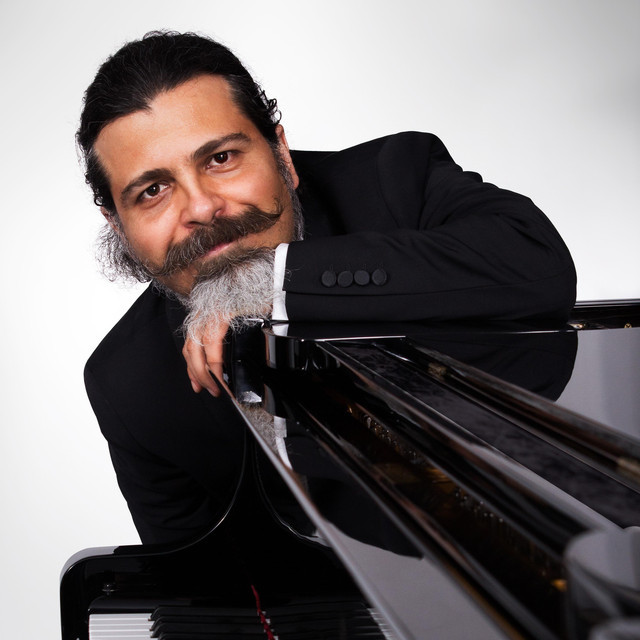
Callisto Guatelli
Aylin Ates
Çağ Erçağ

Sultan Abdülaziz

Renan Koen


Uzeyir Hajibeyov
Bekir Küçükay
Gulsin Onay

Tofig Guliyev
Ruhi Ayangil

Anders Dahl