
Data may be outdated
Last updated: 6 months ago — Click refresh to get the latest statistics.
Victor Hugo, arguably France's greatest literary figure, wrote poetry, plays, and novels with equal facility, and while his novels (including Notre Dame de Paris [aka The Hunchback of Notre Dame] and Les Misérables) are his most influential works today, his works in all three genres have inspired composers of not just classical, but popular music. During the Romantic era, there was hardly a single French composer who didn't set at least one of Hugo's works, few Italian opera composers who didn't at least consider one of his plays, and while his influence was strongest in those two countries, it was also felt worldwide. His writing also had a profound impact on other writers, calling for an end to the neo-Classicism that had dominated French literature, particularly its deliberate elegance and restraint in expression and choice of subjects, introducing "orientalist" influences, and insisting on juxtaposing humor and tragedy, as well as the ugly and the beautiful. (This emphasis on freedom found particular resonance in <a href="spotify:artist:1JOQXgYdQV2yfrhewqx96o">Giuseppe Verdi</a> and sparked several of his wars with censorship in Italy, particularly over Rigoletto, based on Le roi s'amuse.) Though his later writing in particular, he tended to be sentimental and moralizing, his trailblazing spread Romanticism throughout Europe, and his humanism inspired Tolstoy. Despite his populism, he was well aware of his fame and influence and not modest about it; for example, he declared that the city should be renamed Hugo in his honor. His writing brought him early fame, earning him membership in the Legion of Honor at the age of 23 and membership in the prestigious Academie Française at 39. He was also controversial from an early age; the premiere of his play Hernani in 1830 actually sparked brawls and riots. Like Beethoven, Hugo was first deeply inspired by Napoleon and later, deeply disillusioned; he was even exiled from France in 1851 for his highly vocal criticism of and opposition to Napoleon III. In 1870, he returned to Paris, where he was lionized by both political and literary circles.
Monthly Listeners
969
Monthly Listeners History
Track the evolution of monthly listeners over the last 28 days.
Followers
2,049
Followers History
Track the evolution of followers over the last 28 days.
Top Cities
49 listeners

35 listeners

16 listeners

16 listeners

14 listeners
Related Artists

Paul Darrow

Blake's 7

A Bedtime Story For Children
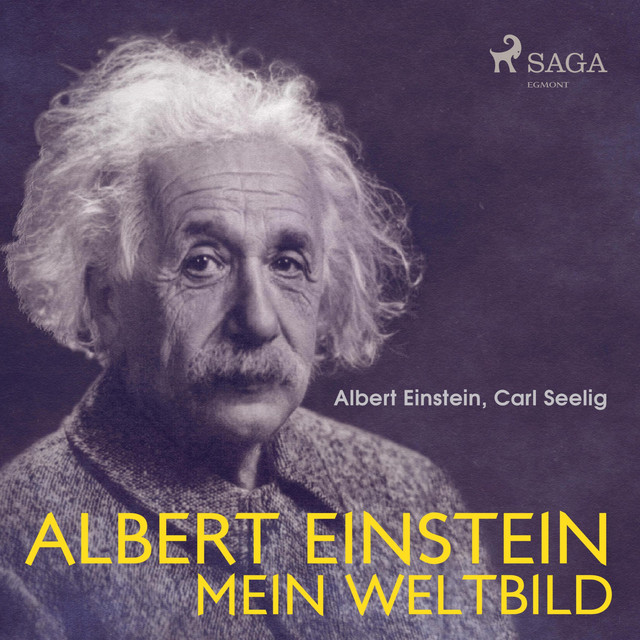
Albert Einstein

Chris Barrie

Phantom of the Opera
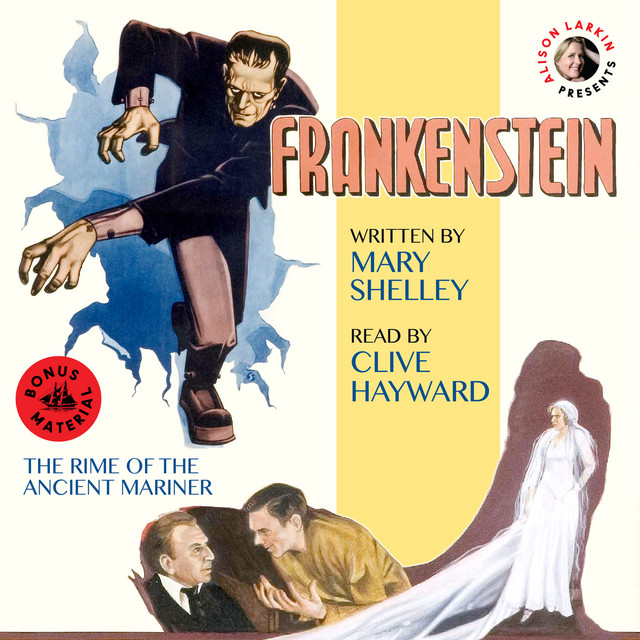
Samuel Taylor Coleridge
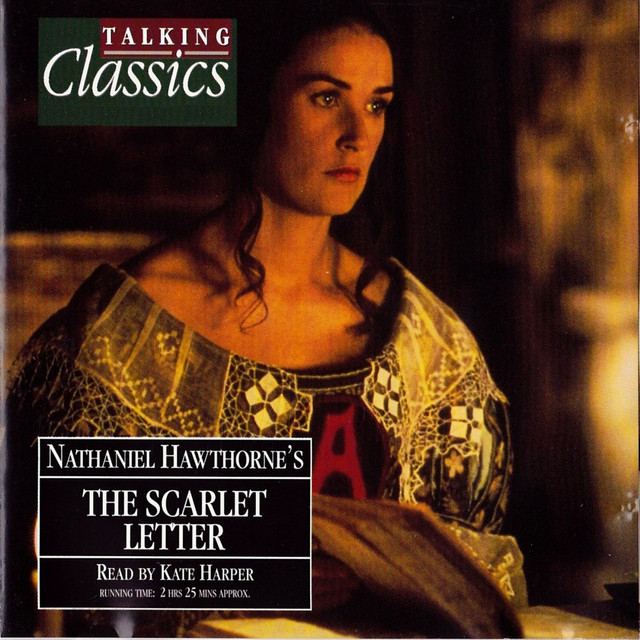
Kate Harper

Sherlock Holmes - The Judgement of Sherlock Holmes

GK Chesterton
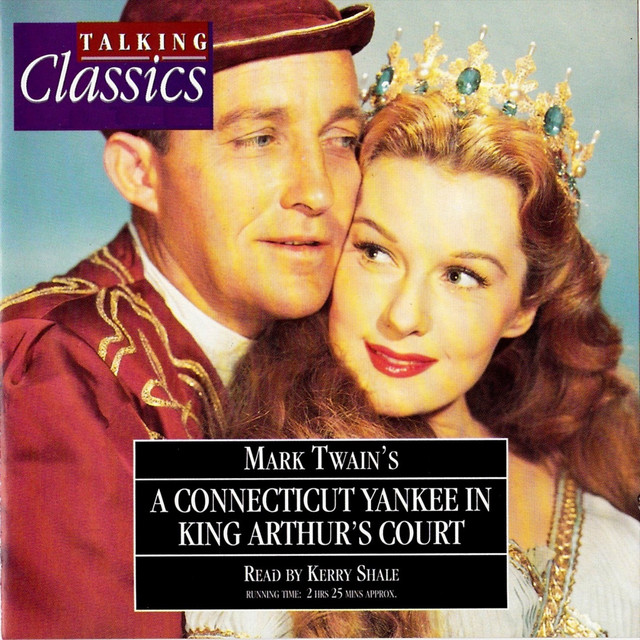
Kerry Shale
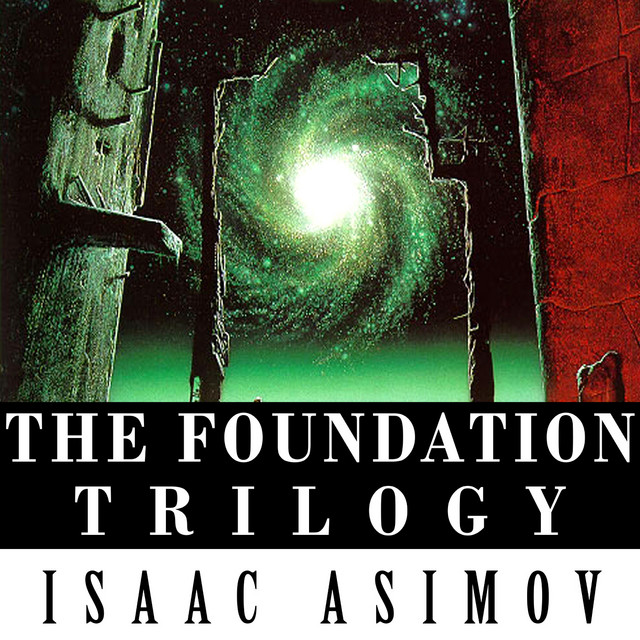
Isaac Asimov

Charles Darwin

William Dunbar

Thomas Hardy

Hermann Melville

Christopher Timothy
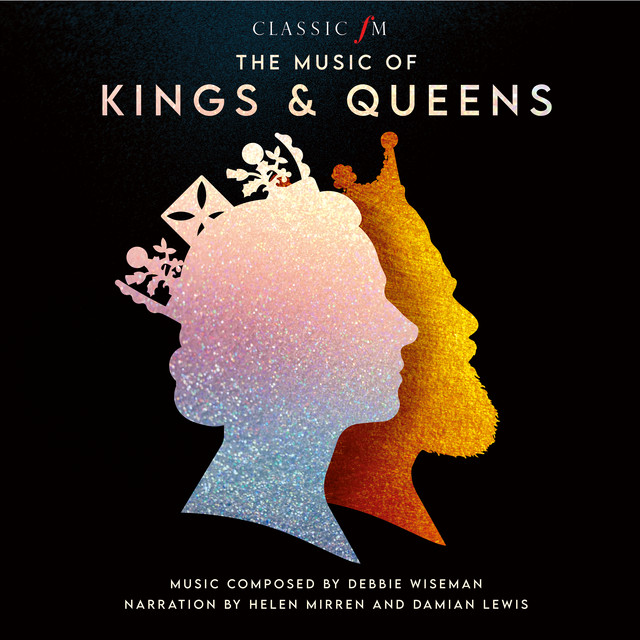
Helen Mirren

Bertrand Russell

Andrew Sachs

HorrorBabble

Children's Bedtime Stories
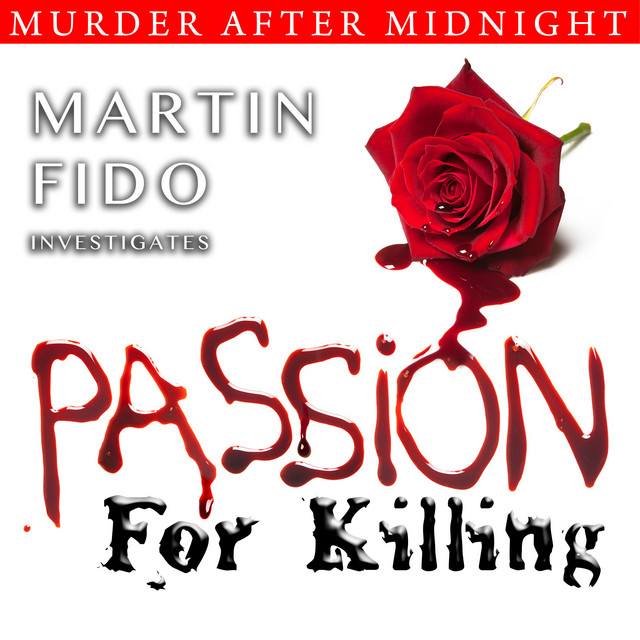
Martin Fido


The Confessions of Dorian Gray
Joanna Lumley

Platon

Stories for Kids at Bedtime
George Sewell

Juliet Stevenson

Dick Ringler

Charlotte Pollard

Hurd Hatfield
Geoffrey Bayldon
David Suchet
Richard Mitchley

Parenting Place

Tom Stoppard
