Data may be outdated
Last updated: 9 months ago — Click refresh to get the latest statistics.
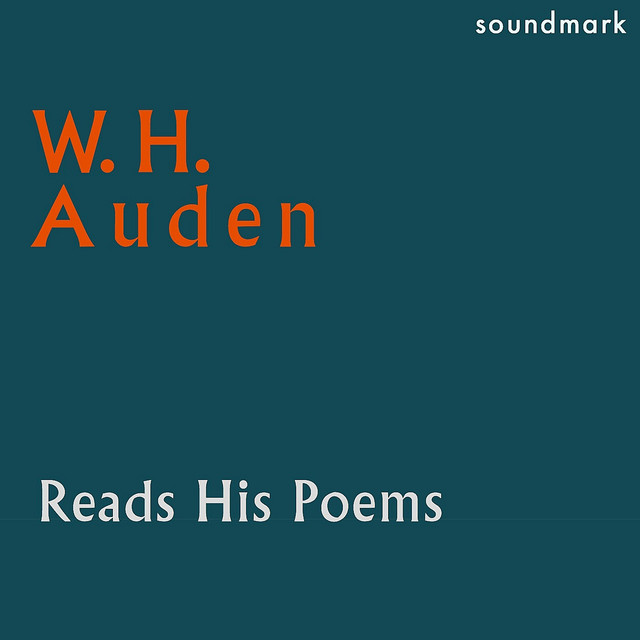
English-born naturalized American Wystan Hugh Auden not only wrote a great many poems that would later be set to music by leading composers of the twentieth century, but he collaborated on texts for works by some of his most prominent musical contemporaries. After his 1929 graduation from Christ Church College, Oxford, he began establishing a reputation as a poet with strongly leftist social convictions and an intense interest in the psychological problems of people in modern capitalist societies. Auden settled in the United States in 1939. There, he won the 1948 Pulitzer Prize for poetry for "The Age of Anxiety." He by no means abandoned his native land; Auden was a professor of poetry at Oxford from 1956 to 1961, and was writer-in-residence at Christ Church from 1972 to his death the following year.
Auden's lover, Chester Kallman, turned him into a self-described "opera addict," and the two jointly wrote the libretto for <a href="spotify:artist:7ie36YytMoKtPiL7tUvmoE">Stravinsky</a>'s The Rake's Progress. Auden and Kallman also wrote two librettos for <a href="spotify:artist:7xkiLJgEoKMVDgTh0s2Mqu">Hans Werner Henze</a>, Elegy for Young Lovers (about 75 percent of which is Kallman's work) and The Bassarids. Their final collaboration, immediately before Auden's death, was the libretto for <a href="spotify:artist:0IpAHfphOUj4ILDCPa8Xuw">John Gardner</a>'s The Entertainment of the Senses. Along the way, Auden wrote several essays about opera and the elements of an effective libretto.
Auden and Kallman also produced several extremely loose libretto translations (Auden regarded too-literal translations as potential falsifications of meaning), including those for <a href="spotify:artist:4NJhFmfw43RLBLjQvxDuRS">Mozart</a>'s Magic Flute and Don Giovanni, and <a href="spotify:artist:69a1b61a56mJlx8iAUMBsY">Weill</a>'s Seven Deadly Sins and Rise and Fall of the City of Mahagonny. <a href="spotify:artist:7MJ1pB5d6Vjmzep2zQlorn">Benjamin Britten</a> was especially fond of Auden's work, which he harvested for use in the cycle On This Island, the Song for St. Cecilia's Day, the symphonic cycle Our Hunting Fathers, and some early cabaret songs. Auden actively collaborated with <a href="spotify:artist:7MJ1pB5d6Vjmzep2zQlorn">Britten</a> on the "choral operetta" Paul Bunyan (1941), as well as on works for film, radio, and theater.
The poet wrote words specifically for settings by <a href="spotify:artist:4XDJurjQCnWLlE7KLZCT9x">Samuel Barber</a> (two of the Hermit Songs) and <a href="spotify:artist:6RsX7qYw5KVKiOjS8BxjL5">William Walton</a> (The Twelve), as well as <a href="spotify:artist:7ie36YytMoKtPiL7tUvmoE">Stravinsky</a>'s Elegy for J.F.K. He also provided the linking narration for Noah Greenberg's performing edition of the Medieval Play of Daniel. <a href="spotify:artist:2V0VrZFIcWB3jB8FXrYyQs">Lennox Berkeley</a>, <a href="spotify:artist:7C8W9AhoC0TWy6zMbd2njH">Thea Musgrave</a>, and <a href="spotify:artist:3rQu4vxfJq5f4N89Jak7Ci">Nicholas Maw</a> have also set Auden texts. Furthermore, Auden's poetry has served as inspiration for at least two significant non-vocal works: <a href="spotify:artist:2LmyJyCF5V1eQyvHgJNbTn">Leonard Bernstein</a>'s Symphony No. 2, "The Age of Anxiety," and <a href="spotify:artist:5M1ZBrPeHjV8y3qFKnq7hO">Luciano Berio</a>'s Nones.
Auden's lover, Chester Kallman, turned him into a self-described "opera addict," and the two jointly wrote the libretto for <a href="spotify:artist:7ie36YytMoKtPiL7tUvmoE">Stravinsky</a>'s The Rake's Progress. Auden and Kallman also wrote two librettos for <a href="spotify:artist:7xkiLJgEoKMVDgTh0s2Mqu">Hans Werner Henze</a>, Elegy for Young Lovers (about 75 percent of which is Kallman's work) and The Bassarids. Their final collaboration, immediately before Auden's death, was the libretto for <a href="spotify:artist:0IpAHfphOUj4ILDCPa8Xuw">John Gardner</a>'s The Entertainment of the Senses. Along the way, Auden wrote several essays about opera and the elements of an effective libretto.
Auden and Kallman also produced several extremely loose libretto translations (Auden regarded too-literal translations as potential falsifications of meaning), including those for <a href="spotify:artist:4NJhFmfw43RLBLjQvxDuRS">Mozart</a>'s Magic Flute and Don Giovanni, and <a href="spotify:artist:69a1b61a56mJlx8iAUMBsY">Weill</a>'s Seven Deadly Sins and Rise and Fall of the City of Mahagonny. <a href="spotify:artist:7MJ1pB5d6Vjmzep2zQlorn">Benjamin Britten</a> was especially fond of Auden's work, which he harvested for use in the cycle On This Island, the Song for St. Cecilia's Day, the symphonic cycle Our Hunting Fathers, and some early cabaret songs. Auden actively collaborated with <a href="spotify:artist:7MJ1pB5d6Vjmzep2zQlorn">Britten</a> on the "choral operetta" Paul Bunyan (1941), as well as on works for film, radio, and theater.
The poet wrote words specifically for settings by <a href="spotify:artist:4XDJurjQCnWLlE7KLZCT9x">Samuel Barber</a> (two of the Hermit Songs) and <a href="spotify:artist:6RsX7qYw5KVKiOjS8BxjL5">William Walton</a> (The Twelve), as well as <a href="spotify:artist:7ie36YytMoKtPiL7tUvmoE">Stravinsky</a>'s Elegy for J.F.K. He also provided the linking narration for Noah Greenberg's performing edition of the Medieval Play of Daniel. <a href="spotify:artist:2V0VrZFIcWB3jB8FXrYyQs">Lennox Berkeley</a>, <a href="spotify:artist:7C8W9AhoC0TWy6zMbd2njH">Thea Musgrave</a>, and <a href="spotify:artist:3rQu4vxfJq5f4N89Jak7Ci">Nicholas Maw</a> have also set Auden texts. Furthermore, Auden's poetry has served as inspiration for at least two significant non-vocal works: <a href="spotify:artist:2LmyJyCF5V1eQyvHgJNbTn">Leonard Bernstein</a>'s Symphony No. 2, "The Age of Anxiety," and <a href="spotify:artist:5M1ZBrPeHjV8y3qFKnq7hO">Luciano Berio</a>'s Nones.
Monthly Listeners
188
Monthly Listeners History
Track the evolution of monthly listeners over the last 28 days.
Followers
132
Followers History
Track the evolution of followers over the last 28 days.
Top Cities
16 listeners

7 listeners

6 listeners
3 listeners

3 listeners
Related Artists
V. C. Clinton-Baddeley

John S. Martin

W. H. Auden
G. S. Fraser
Dr.A.R. Vidler
Cyril Cusak
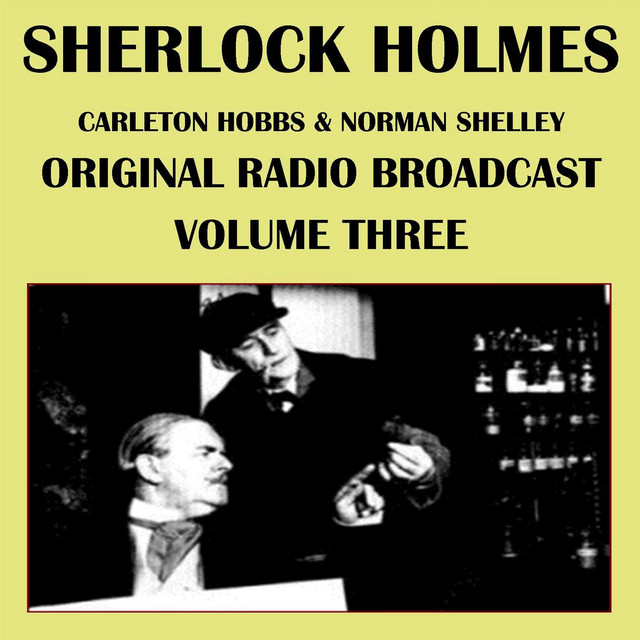
Carleton Hobbs

Alec Guinness
Dorothy Parker
Max Adrian
Abraham Cowley

Robert Creeley
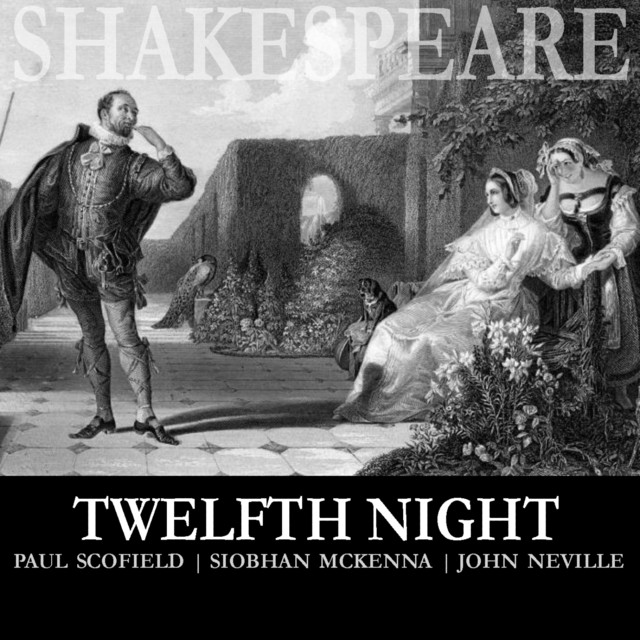
Siobhan McKenna
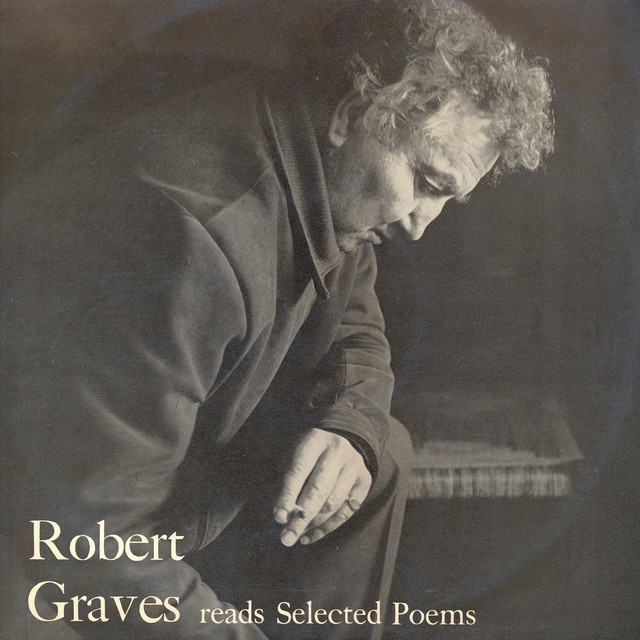
Robert Graves
C. Day Lewis
Claire Bloom

Laurie Lee
Archibald MacLeish