Data may be outdated
Last updated: 2 months ago — Click refresh to get the latest statistics.
Çetin's encounter with <a href="spotify:artist:2ptNVh8jugzZ5cQjfhqHg0">Fuat Güner</a> (of <a href="spotify:artist:2jbrqAuwSdvwcMTbtvncND">MFÖ</a>) in the mid-'90s was a turning point in his career. He started playing guitar as a session musician, contributing to the music of several advertisements as well as a number of hit songs. Çetin worked for Deniz Arcak, Goksel, <a href="spotify:artist:0QSrUuv6y5Woazd3LAjbSH">Izel</a>, <a href="spotify:artist:4XYD8wP6f1sfLtWfrY1luF">Kiraç</a>, <a href="spotify:artist:0sh7lp6I1qIIfMYs0cCBbj">Sibel Tüzün</a>, Turgut Berkes, <a href="spotify:artist:40KlwpvpKEQtZTJgbml8lT">Teoman</a>, and many more. He became the first Turkish guitarist to use a talk box, which appeared in Goksel's "Sabir." In 1996, he and his wife, Didem Cetin, ended their four years of marriage. The same year, he started touring with <a href="spotify:artist:2jbrqAuwSdvwcMTbtvncND">MFÖ</a> and, along with <a href="spotify:artist:2ptNVh8jugzZ5cQjfhqHg0">Fuat Güner</a>, playing lead guitar for the band. He also continued performing in local clubs, and he recorded his first studio album with Serdar Oztop, which was produced by his high-school friend Ercan Saatçi.
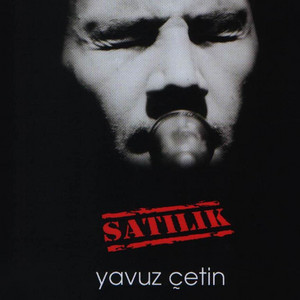
He released his debut, Ilk..., in 1997. The album featured mostly mellow blues tracks, classic blues, and rock & roll themes. Although it may be an album <a href="spotify:artist:0hEurMDQu99nJRq8pTxO14">John Mayer</a> would love to have, Çetin was not at his best as a songwriter and his lyrics were regarded as too clichéd. Guest appearances from Goksel and legendary guitarist <a href="spotify:artist:7HIccJjwPhWkLVKu0gGJgB">Erkan Ogur</a> weren't enough for him to break through -- however, two instrumental songs, "Fanki Tonki Zonki" and "Dunya," were impressive gems, along with "Onun Sarkisi" and "Cok Istiyorum." After his debut release, Yavuz Çetin continued touring with <a href="spotify:artist:2jbrqAuwSdvwcMTbtvncND">MFÖ</a> and playing live with his own band, the Yavuz Çetin Group. Preparations for his second album commenced in 2000. Written completely by Çetin, Satilik was considered a near masterpiece -- however, he wouldn't live to see it. After completing all the recordings, he took his own life, jumping from the famous Bogaziçi Bridge connecting the two continents of Asia and Europe. August 15, 2001, is a day of mourning for many Turkish rock fans.
Later same year, Satilik was released. Opening with the immense and powerful "Cherokee," this album showcases a more serious Çetin, with lyrics reflecting his inner conflicts and, of course, fluent and clean technique on the guitar. From heavy rockers to acoustic improvisations and bluesy ballads, Satilik is an album of considerable appeal to guitar players and enthusiasts. "Bul Beni," "Yasamak Istemem," "Istanbul'a Ait," and the album-closing "Hersey Biter" shine with Çetin's brilliant talent. After his death, writers who previously didn't know his name authored articles about him. <a href="spotify:artist:2ptNVh8jugzZ5cQjfhqHg0">Fuat Güner</a> refused to recruit another guitarist for <a href="spotify:artist:2jbrqAuwSdvwcMTbtvncND">MFÖ</a>, tribute shows were organized, and the younger generation lionized him for his artistic abilities and persona. Yavuz Çetin took his place in the world among all the other guitar heroes who died too young, leaving behind the inevitable question of what might have happened if he had lived. ~ Vefik Karaege, Rovi
Monthly Listeners
120,980
Monthly Listeners History
Track the evolution of monthly listeners over the last 28 days.
Followers
167,460
Followers History
Track the evolution of followers over the last 28 days.
Total Streams
58.8 million
Total Streams History
Track the evolution of total streams over the last 28 days. This data is calculated from all tracks listed in the artist's discography.
Top Cities

Related Artists

Cem Köksal


Acil Servis

Ari Barokas




Asım Can Gündüz

Grizu








Siyasiyabend




Redd


Cin Seddi


Bülent Ortaçgil