
Data may be outdated
Last updated: 9 months ago — Click refresh to get the latest statistics.
Yosui Inoue was one of Japan's most popular folk-rockers of the early '70s, earning him the nickname "the Bob Dylan of Japan." Born the eldest son to a working class couple in Fukuoka prefecture, Inoue wasn't exactly a child prodigy, but he did grow up learning the popular songs of his time, Enka songs by Misora Hibari and others, and often sang them in school singing contests. Like most teenagers in the '60s, his mind was blown away by the Beatles, and made a point of trekking to Tokyo to see them play at the Budokan and learning guitar. After graduating college and failing to follow his father into dentistry, Inoue continued to play and write, getting his big break in 1969, through the late-night radio show, "Shash Eleven," which debuted new talent. Under the stage name, Andre Mandore, his song "Kandore Mandore" became the most requested song on the show and was soon picked up and released by CBS/Sony. Having turned pro, he changed his stage name back to Yosui Inoue and finally released his first album Rupture in the summer of 1972. The folk music scene was in full swing by this time (quite different from the movement a decade before in America, and closer to the "singer/songwriter" era of James Taylor and co.), and Inoue went on tour with groups such as the Mopps and Happy End. In the space of a year, Inoue had gone from an artist who was so minor concert promoters forgot to put him on the bill to playing packed halls and dodging crazed fans. His album Ice World, released at the end of 1973, was a huge seller, returning to the number one spot in the charts six times and staying on the charts for two years. Now a financial and commercial success, he quit his original management agency and formed the Nakayashi Group (for himself and others) and began his own label, For Life, which continues to this day. Inoue continued to record and perform, though he never again reached those heights of popularity, and survived a brief scandal when he was busted for marijuana possession in 1977. Lion & Pelican, though not a commercial success, is considered by many to be his masterpiece. He has maintained the busy schedule of a Japanese entertainer, rarely taking any time off and always recording. In 1997, he was introduced to a younger generation when he teamed up with Tamio Okuda for their duet album Shopping. In 2001, he released an album of covers, looking back over his career and his influences. ~ Ted Mills, Rovi
Monthly Listeners
234
Monthly Listeners History
Track the evolution of monthly listeners over the last 28 days.
Followers
737
Followers History
Track the evolution of followers over the last 28 days.
Top Cities
Related Artists
Peter Slavov

Dominik Raab
Sebastian Castro

Something Blue

Josh Lawrence
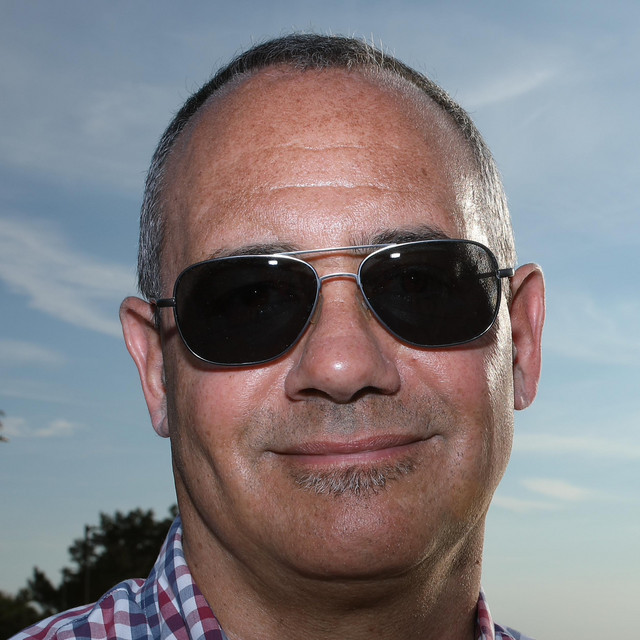
Greg Murphy

Sumi Tonooka

TETSURO KAWASHIMA QUARTET

Haeun Joo

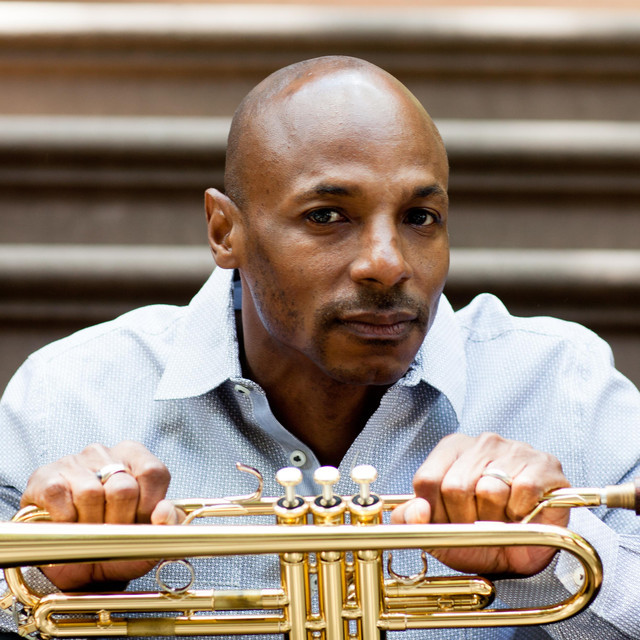
Duane Eubanks

Mark Wade Trio

Giuseppe Venezia

Phil Wilkinson

Kenny Werner Trio

Russell Ferrante Trio

Juan Galiardo

Graham Doby

