Country
Bolivia
Top Artists from Bolivia
Showing 24 of 24 artists















About Bolivia
Bolivia is a country of dramatic landscapes and living rhythm, where Andean mountains meet Amazonian rainforests and music is a daily conversation among towns and cities. For music enthusiasts, Bolivia offers a front-row seat to centuries‑old traditions and contemporary experiments that push boundaries while staying rooted in community. The population is roughly 12 million, diverse in language, ritual, and sound, and that diversity is what gives Bolivian music its texture.
Traditional Bolivian music centers on the Andean string and wind family: the charango, a small lute-like instrument; the panpipes, or zampoñas; and the robust bombo drum. In cuecas, huayños, and saya rhythms, voices weave stories of harvest, migration, and ritual. In public squares and village plazas, ensembles gather to perform long sets that can drift from tender melodies to ecstatic dances. The best way to hear it is live, where melodies echo through highland air or float along tropical night winds.
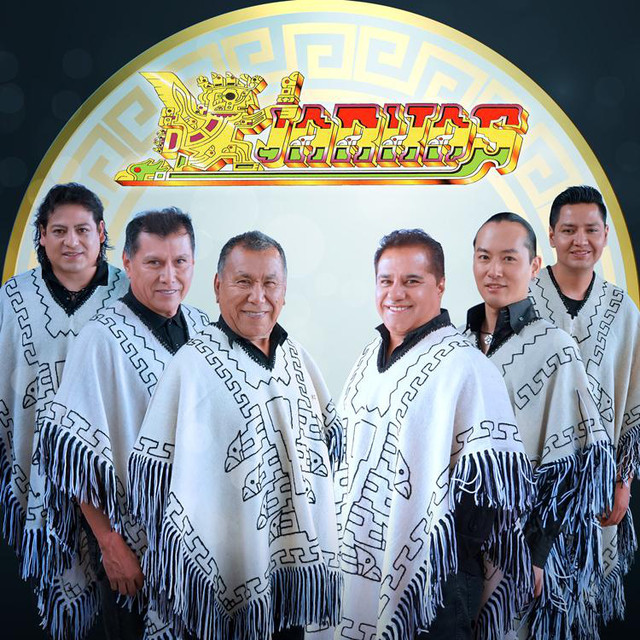
Among Bolivian artists who achieved international recognition, Los Kjarkas stands out as a pillar of folk music. Since the 1960s, their weaving of quechua and aymara textures with contemporary pop sensibilities created songs that traveled far beyond La Paz and Santa Cruz, influencing countless musicians and even finding a second life in global hits through the famous adaptation of Llorando Se Fue. Their work remains a touchstone for anyone curious about how Bolivian tradition can cross borders without losing its soul.
Bolivia is also home to world celebrations where music is inseparable from ritual. The Carnival of Oruro, inscribed on the UNESCO List of Intangible Cultural Heritage, is one of the most spectacular showcases of Bolivian sound and dance. Diabladas, morenadas, and other folkloric corps move to swirling drums, brass, and singing choirs, while banners and costumes flare like living songs. Throughout the year, regional fiestas—from Tarija’s vibrant cumbia nights to Santa Cruz’s modern clubs—continue to mix traditional genres with rock, hip-hop, and electronic music, creating a dynamic, young scene in which new artists remix ancestral motifs for a global audience.
Venues in major cities reflect the country’s diversity as well. In La Paz and Santa Cruz, theatres and auditoriums such as the Teatro Municipal and other cultural centers offer intimate acoustic sets as well as grand concerts. In universities across the country, student ensembles and community choirs keep choral and folk traditions alive, while independent venues in neighborhoods nurture experimental acts that fuse Andean melodies with contemporary pop, reggaeton, or instrumental post-rock.
For travelers and collectors, Bolivia’s music is a gateway to a landscape of sound where history, identity, and joy intersect, inviting repeated listening and renewed discovery. Beyond the stage, Bolivian musicians have contributed to world music by sharing rare recordings of the chacarera and the saya, and by collaborating with producers who embrace field recordings and acoustic warmth. The country’s studios and labels in La Paz, Sucre, and Santa Cruz preserve archival archives of regional genres, while a growing diaspora—in Argentina, Europe, and North America—keeps Bolivian music alive in festivals, radio programs, and online streams today.
Traditional Bolivian music centers on the Andean string and wind family: the charango, a small lute-like instrument; the panpipes, or zampoñas; and the robust bombo drum. In cuecas, huayños, and saya rhythms, voices weave stories of harvest, migration, and ritual. In public squares and village plazas, ensembles gather to perform long sets that can drift from tender melodies to ecstatic dances. The best way to hear it is live, where melodies echo through highland air or float along tropical night winds.
Among Bolivian artists who achieved international recognition, Los Kjarkas stands out as a pillar of folk music. Since the 1960s, their weaving of quechua and aymara textures with contemporary pop sensibilities created songs that traveled far beyond La Paz and Santa Cruz, influencing countless musicians and even finding a second life in global hits through the famous adaptation of Llorando Se Fue. Their work remains a touchstone for anyone curious about how Bolivian tradition can cross borders without losing its soul.
Bolivia is also home to world celebrations where music is inseparable from ritual. The Carnival of Oruro, inscribed on the UNESCO List of Intangible Cultural Heritage, is one of the most spectacular showcases of Bolivian sound and dance. Diabladas, morenadas, and other folkloric corps move to swirling drums, brass, and singing choirs, while banners and costumes flare like living songs. Throughout the year, regional fiestas—from Tarija’s vibrant cumbia nights to Santa Cruz’s modern clubs—continue to mix traditional genres with rock, hip-hop, and electronic music, creating a dynamic, young scene in which new artists remix ancestral motifs for a global audience.
Venues in major cities reflect the country’s diversity as well. In La Paz and Santa Cruz, theatres and auditoriums such as the Teatro Municipal and other cultural centers offer intimate acoustic sets as well as grand concerts. In universities across the country, student ensembles and community choirs keep choral and folk traditions alive, while independent venues in neighborhoods nurture experimental acts that fuse Andean melodies with contemporary pop, reggaeton, or instrumental post-rock.
For travelers and collectors, Bolivia’s music is a gateway to a landscape of sound where history, identity, and joy intersect, inviting repeated listening and renewed discovery. Beyond the stage, Bolivian musicians have contributed to world music by sharing rare recordings of the chacarera and the saya, and by collaborating with producers who embrace field recordings and acoustic warmth. The country’s studios and labels in La Paz, Sucre, and Santa Cruz preserve archival archives of regional genres, while a growing diaspora—in Argentina, Europe, and North America—keeps Bolivian music alive in festivals, radio programs, and online streams today.