
Country
Bulgaria
Top Artists from Bulgaria
Showing 25 of 361 artists












About Bulgaria
Bulgaria is a country at the crossroads of Europe, where rugged mountains meet the Black Sea and where sound has always mattered as much as stone. For music lovers, Bulgaria offers a deep reservoir of tradition and a lively present that travels from village squares to world stages.
Population around 6.5 million people, a Balkan nation with a small but dynamic music scene that has influenced world folk and contemporary genres alike.
The heart of Bulgarian music is its folk, with voices and rhythms that feel ancient and alive at once. Bulgarian folk singing uses rich harmonies and unusual meters, with dances in 7/8, 9/8 and 11/8 that make a pulse both catchy and intriguingly elastic. The early 20th-century composer-philosophers like Philip Koutev helped formalize the school of Bulgarian choral music, giving traditional tunes a modern, richly arranged voice. The famous Le Mystère des Voix Bulgares—The Mystery of the Bulgarian Voices—helped introduce this sound to global audiences in the late 20th century, winning wide acclaim and a Grammy, and inspiring countless world music artists to explore pentatonic scales, drone textures, and layered vocal timbres.
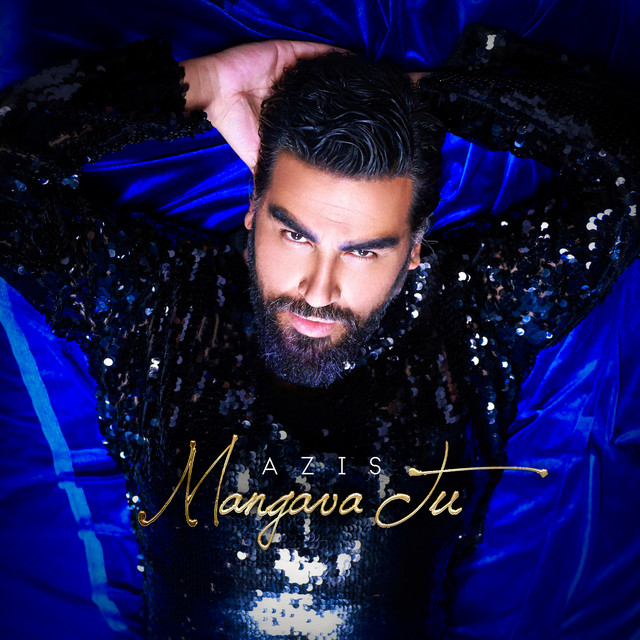
Beyond folk, Bulgaria has produced a suite of lasting pop and contemporary artists. Lili Ivanova, one of the country’s most enduring pop icons, has a career spanning decades and remains a live draw across generations. Valya Balkanska, revered for her luminous traditional singing, is known internationally thanks to the inclusion of Izlel e Delyo Hayduta on the Golden Record carried by the Voyager spacecraft. In more recent times, artists like Azis have pushed Balkan pop into club heat and fashion, while producers such as Kottarashky create hybrid electronic music built on Bulgarian folk samples and brass textures, drawing an international audience.
Bulgarian music is also showcased at storied venues and festivals. The Sofia Opera House and the National Opera and Ballet stage grand classics, while Bulgaria Hall and the National Palace of Culture (NDK) host concerts across genres in a country where large-scale performance spaces meet intimate clubs. On the coast, Spirit of Burgas brought big international acts to the Black Sea for several years, and the Varna Summer International Music Festival brings classical and modern concerts to seaside audiences each year. Koprivshtitsa Folklore Festival remains a premier gathering for traditional singers and dancers, drawing ensembles from across the Balkans.
Whether you chase a shimmering choral sound, a whispered folk melody, or a high-energy festival set, Bulgaria offers a resonant, living soundscape that continues to influence and delight music lovers around the world. Behind these stages, Bulgaria's club and studio scene blends folk memory with electronic innovation. In Sofia, Plovdiv and Varna, DJs and producers remix village melodies into club bangers, while live acts weave brass, strings and synth into hybrid performances. Venues such as Terminal 1 in Sofia and smaller clubs foster experimental projects, and festivals continue to push cross-genre collaborations, inviting international guests to explore the spectrum of Balkan-inspired sound. For many listeners, Bulgaria's music feels both ancient and newly electric. It is a living, evolving soundscape.
Population around 6.5 million people, a Balkan nation with a small but dynamic music scene that has influenced world folk and contemporary genres alike.
The heart of Bulgarian music is its folk, with voices and rhythms that feel ancient and alive at once. Bulgarian folk singing uses rich harmonies and unusual meters, with dances in 7/8, 9/8 and 11/8 that make a pulse both catchy and intriguingly elastic. The early 20th-century composer-philosophers like Philip Koutev helped formalize the school of Bulgarian choral music, giving traditional tunes a modern, richly arranged voice. The famous Le Mystère des Voix Bulgares—The Mystery of the Bulgarian Voices—helped introduce this sound to global audiences in the late 20th century, winning wide acclaim and a Grammy, and inspiring countless world music artists to explore pentatonic scales, drone textures, and layered vocal timbres.
Beyond folk, Bulgaria has produced a suite of lasting pop and contemporary artists. Lili Ivanova, one of the country’s most enduring pop icons, has a career spanning decades and remains a live draw across generations. Valya Balkanska, revered for her luminous traditional singing, is known internationally thanks to the inclusion of Izlel e Delyo Hayduta on the Golden Record carried by the Voyager spacecraft. In more recent times, artists like Azis have pushed Balkan pop into club heat and fashion, while producers such as Kottarashky create hybrid electronic music built on Bulgarian folk samples and brass textures, drawing an international audience.
Bulgarian music is also showcased at storied venues and festivals. The Sofia Opera House and the National Opera and Ballet stage grand classics, while Bulgaria Hall and the National Palace of Culture (NDK) host concerts across genres in a country where large-scale performance spaces meet intimate clubs. On the coast, Spirit of Burgas brought big international acts to the Black Sea for several years, and the Varna Summer International Music Festival brings classical and modern concerts to seaside audiences each year. Koprivshtitsa Folklore Festival remains a premier gathering for traditional singers and dancers, drawing ensembles from across the Balkans.
Whether you chase a shimmering choral sound, a whispered folk melody, or a high-energy festival set, Bulgaria offers a resonant, living soundscape that continues to influence and delight music lovers around the world. Behind these stages, Bulgaria's club and studio scene blends folk memory with electronic innovation. In Sofia, Plovdiv and Varna, DJs and producers remix village melodies into club bangers, while live acts weave brass, strings and synth into hybrid performances. Venues such as Terminal 1 in Sofia and smaller clubs foster experimental projects, and festivals continue to push cross-genre collaborations, inviting international guests to explore the spectrum of Balkan-inspired sound. For many listeners, Bulgaria's music feels both ancient and newly electric. It is a living, evolving soundscape.