
Country
Cameroon
Top Artists from Cameroon
Showing 24 of 24 artists



About Cameroon
Cameroon sits at the crossroads of central and western Africa, bordered by Nigeria, Chad, the Central African Republic, Equatorial Guinea, Gabon, and the Gulf of Guinea. Its landscape runs from rainforest to savanna, a mirror of its people, who number roughly 29 million and speak hundreds of languages alongside official French and English. This diversity has made its music scene one of Africa’s most lively laboratories, where dance rhythms, virtuosic instrumental work, and lyrical storytelling mingle.
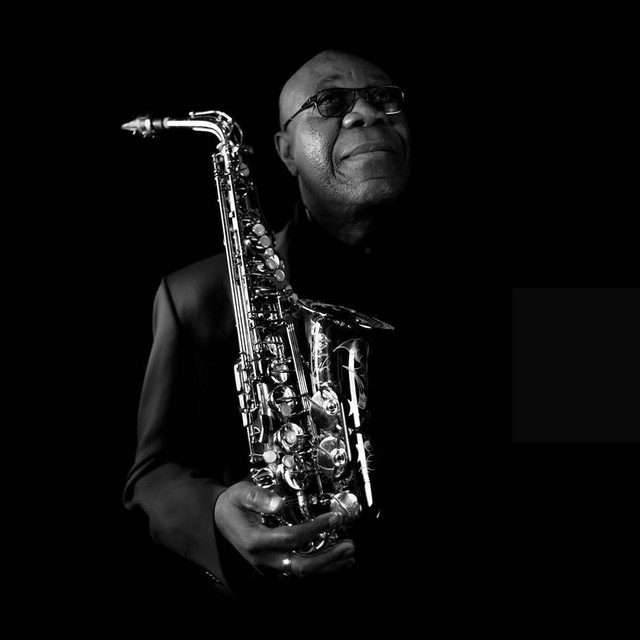
Makossa is the headline act. Born in Douala, it exploded onto the world stage when Manu Dibango’s Soul Makossa in the early 1970s turned a Cameroon groove into an international disco and funk touchstone. The horn blasts, hypnotic basslines, and call-and-response chant became a template for pop and dance music across continents. Bikutsi, originally from the Beti-Pahuin heartlands, counterpoints Makossa with sassy tempo, bright percussion, and spellbinding vocal patterns that glide from celebration to social commentary. The result is a country whose rhythms are both party-ready and politically aware.
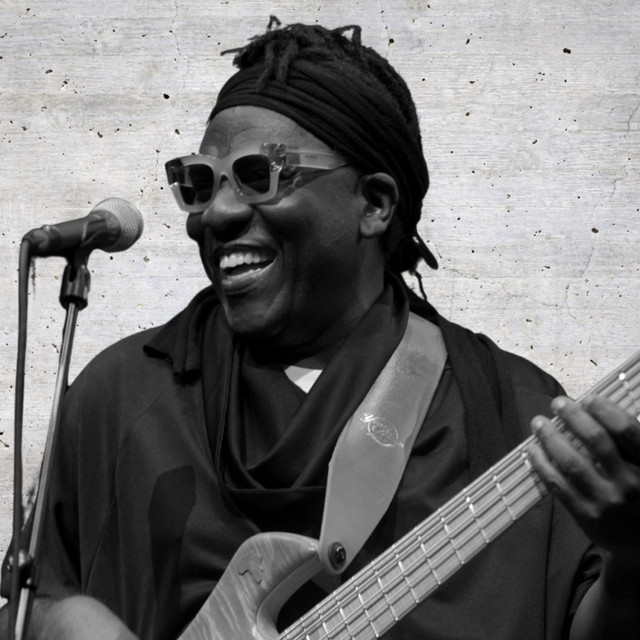
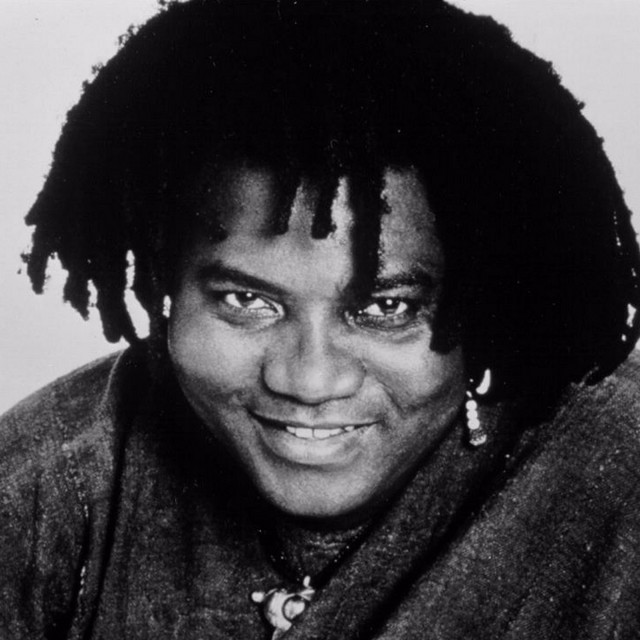
Cameroon has given the world a clutch of artists who have traveled far and wide. Richard Bona, a virtuosic bassist and vocalist, threads Cameroonian melodic ideas through jazz, funk, and world music, becoming one of Africa’s most respected global ambassadors. Sam Fan Thomas kept the makossa flame alive in the 1980s with African Fiesta, a record that helped a generation of dancers and musicians hear their own city sounds on a world stage. In the contemporary scene, voices such as Daphne, Mr. Leo, Jovi, Ko-C, Magasco, and Ndedi Eyango keep the traditions alive while pushing into Afrobeats, hip-hop, and R&B. They perform in studios and clubs across Douala and Yaoundé and tour Europe and the Americas, carrying Cameroon’s grooves abroad.
Popular events and venues reflect this energy. World Music Day is celebrated in major cities with free concerts and street performances, drawing both local crowds and visiting musicians. In Douala and Yaoundé, cultural centers and live-music venues—from historic houses of culture to modern clubs—offer nightly showcases where makossa, bikutsi, and the newer urban hybrids can be heard side by side. In addition to festivals, the country’s radio and television networks have long served as springboards for artists, broadcasters, and producers to share Cameroonian sound with a wider audience.
Cameroon’s music is more than entertainment; it’s a language of community, resilience, and innovation. The country’s hybrid heritage—African rhythms meeting European instrumentation and global pop sensibilities—continues to influence Afrobeat, world jazz, and contemporary African pop. For music enthusiasts, it is a living map of Africa’s creative future.
Makossa is the headline act. Born in Douala, it exploded onto the world stage when Manu Dibango’s Soul Makossa in the early 1970s turned a Cameroon groove into an international disco and funk touchstone. The horn blasts, hypnotic basslines, and call-and-response chant became a template for pop and dance music across continents. Bikutsi, originally from the Beti-Pahuin heartlands, counterpoints Makossa with sassy tempo, bright percussion, and spellbinding vocal patterns that glide from celebration to social commentary. The result is a country whose rhythms are both party-ready and politically aware.
Cameroon has given the world a clutch of artists who have traveled far and wide. Richard Bona, a virtuosic bassist and vocalist, threads Cameroonian melodic ideas through jazz, funk, and world music, becoming one of Africa’s most respected global ambassadors. Sam Fan Thomas kept the makossa flame alive in the 1980s with African Fiesta, a record that helped a generation of dancers and musicians hear their own city sounds on a world stage. In the contemporary scene, voices such as Daphne, Mr. Leo, Jovi, Ko-C, Magasco, and Ndedi Eyango keep the traditions alive while pushing into Afrobeats, hip-hop, and R&B. They perform in studios and clubs across Douala and Yaoundé and tour Europe and the Americas, carrying Cameroon’s grooves abroad.
Popular events and venues reflect this energy. World Music Day is celebrated in major cities with free concerts and street performances, drawing both local crowds and visiting musicians. In Douala and Yaoundé, cultural centers and live-music venues—from historic houses of culture to modern clubs—offer nightly showcases where makossa, bikutsi, and the newer urban hybrids can be heard side by side. In addition to festivals, the country’s radio and television networks have long served as springboards for artists, broadcasters, and producers to share Cameroonian sound with a wider audience.
Cameroon’s music is more than entertainment; it’s a language of community, resilience, and innovation. The country’s hybrid heritage—African rhythms meeting European instrumentation and global pop sensibilities—continues to influence Afrobeat, world jazz, and contemporary African pop. For music enthusiasts, it is a living map of Africa’s creative future.