Country
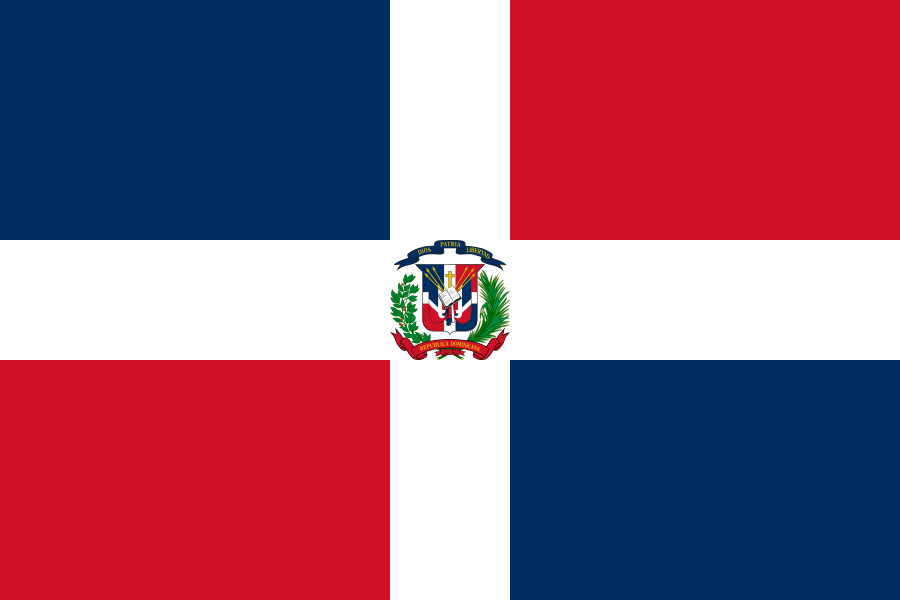
Dominican Republic
Top Artists from Dominican Republic
Showing 25 of 178 artists


About Dominican Republic
The Dominican Republic is a Caribbean crossroads where rhythm and storytelling fuse into a living soundscape. Home to roughly 11 million people, the country vibrates with music from bustling city clubs to sunlit shores. Merengue and bachata are the heartbeat here, but the scene is also shaped by salsa, reggaeton, urban fusion, and a thriving live-arts culture that invites visitors to listen, dance, and discover.
Merengue is the Island’s quintessential dance music, with roots that dive into Afro-Caribbean rhythms, European marches, and rural tambora-and-güira traditions. Classic merengue is fast, joyful, and relentlessly danceable, often featuring a call-and-response energy between the singers and a brass-driven chorus. In the modern era, the genre has absorbed urban influences while preserving its exuberant swing, making it a staple at street festas, ballroom nights, and national celebrations alike. Bachata rose from intimate venues and street corners in the Dominican Republic, evolving from a somber guitar-driven romance to a polished, crossover-friendly genre. The sound blends requinto guitar, bongos, and heartfelt lyrics about love and longing, and it has swept across Latin America and beyond, inviting collaborations with urban and pop artists without losing its Dominican essence.
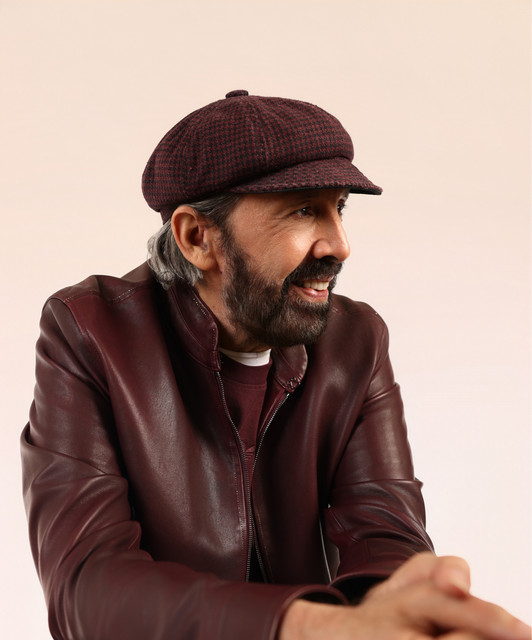
Among the country’s most celebrated ambassadors of sound are Juan Luis Guerra, whose bachata-infused melodies and clever wordplay helped put Dominican music on the global map. His albums, such as Bachata Rosa and other early works, won multiple Latin Grammys and broadened the audience for Dominican rhythms. On a different axis of popularity, Aventura and its former lead singer Romeo Santos popularized contemporary bachata worldwide with sleek production, romantic storytelling, and high-energy performances. Other legendary figures—Milly Quezada, the “Queen of Merengue”; Wilfrido Vargas; Johnny Ventura; Eddy Herrera; and Sergio Vargas—have long kept the tradition alive while mentoring new generations of artists.
Music lovers can explore these sounds in a variety of spaces. The Altos de Chavón amphitheater, in La Romana, is an iconic stone-stage village venue that hosts international acts and showcases the country’s creative energy against a dramatic Mediterranean-inspired backdrop. In Santo Domingo, the National Theatre and the Auditorio Nacional anchor a robust calendar of orchestral concerts, contemporary shows, and touring stars. The Dominican Republic’s capital also features the ubiquitous La Casa de la Música venues, where live merengue and bachata fill evenings with dancing and conversation.
Annual events pulse with energy as well. The Premios Soberano honors (the Dominican Republic’s premier entertainment awards) spotlight the year’s most influential acts across genres, while large-scale concerts and festival appearances—often in both urban centers and resort hubs—demonstrate the country’s ongoing influence on Latin music. For music enthusiasts, the Dominican Republic offers a living, breathing musical journey: a place where history, culture, and dance intersect in every corner.
Merengue is the Island’s quintessential dance music, with roots that dive into Afro-Caribbean rhythms, European marches, and rural tambora-and-güira traditions. Classic merengue is fast, joyful, and relentlessly danceable, often featuring a call-and-response energy between the singers and a brass-driven chorus. In the modern era, the genre has absorbed urban influences while preserving its exuberant swing, making it a staple at street festas, ballroom nights, and national celebrations alike. Bachata rose from intimate venues and street corners in the Dominican Republic, evolving from a somber guitar-driven romance to a polished, crossover-friendly genre. The sound blends requinto guitar, bongos, and heartfelt lyrics about love and longing, and it has swept across Latin America and beyond, inviting collaborations with urban and pop artists without losing its Dominican essence.
Among the country’s most celebrated ambassadors of sound are Juan Luis Guerra, whose bachata-infused melodies and clever wordplay helped put Dominican music on the global map. His albums, such as Bachata Rosa and other early works, won multiple Latin Grammys and broadened the audience for Dominican rhythms. On a different axis of popularity, Aventura and its former lead singer Romeo Santos popularized contemporary bachata worldwide with sleek production, romantic storytelling, and high-energy performances. Other legendary figures—Milly Quezada, the “Queen of Merengue”; Wilfrido Vargas; Johnny Ventura; Eddy Herrera; and Sergio Vargas—have long kept the tradition alive while mentoring new generations of artists.
Music lovers can explore these sounds in a variety of spaces. The Altos de Chavón amphitheater, in La Romana, is an iconic stone-stage village venue that hosts international acts and showcases the country’s creative energy against a dramatic Mediterranean-inspired backdrop. In Santo Domingo, the National Theatre and the Auditorio Nacional anchor a robust calendar of orchestral concerts, contemporary shows, and touring stars. The Dominican Republic’s capital also features the ubiquitous La Casa de la Música venues, where live merengue and bachata fill evenings with dancing and conversation.
Annual events pulse with energy as well. The Premios Soberano honors (the Dominican Republic’s premier entertainment awards) spotlight the year’s most influential acts across genres, while large-scale concerts and festival appearances—often in both urban centers and resort hubs—demonstrate the country’s ongoing influence on Latin music. For music enthusiasts, the Dominican Republic offers a living, breathing musical journey: a place where history, culture, and dance intersect in every corner.