Country
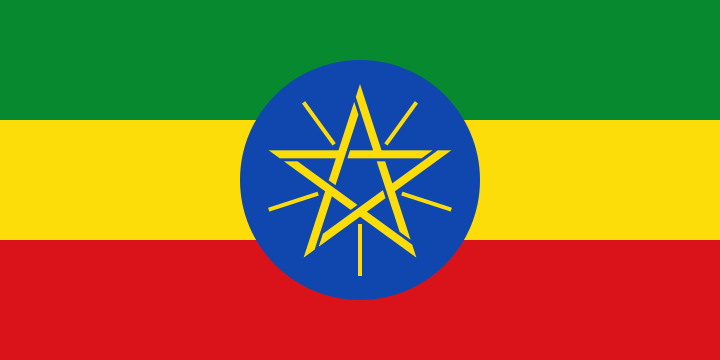
Ethiopia
Top Artists from Ethiopia
Showing 18 of 18 artists








About Ethiopia
Ethiopia is a country where music is not merely entertainment but a living thread through daily life. Located in the Horn of Africa, it carries a centuries‑old musical vocabulary alongside a restless, contemporary scene. Traditional songs in Amharic and dozens of local languages weave around instruments such as the krar, a six‑string lyre; the masenqo, a single‑string fiddle; and the haunting washint flute. Melodies often move in pentatonic shapes that give Ethiopian tunes a spacious, hovering quality, while church choirs, market choruses, and street jams turn sound into social ritual. In cafés and clubs, improvisation flourishes, call‑and‑response interactions spark energy, and dancers translate rhythms into community memory. The result is a soundscape that respects heritage even as it welcomes new ideas.
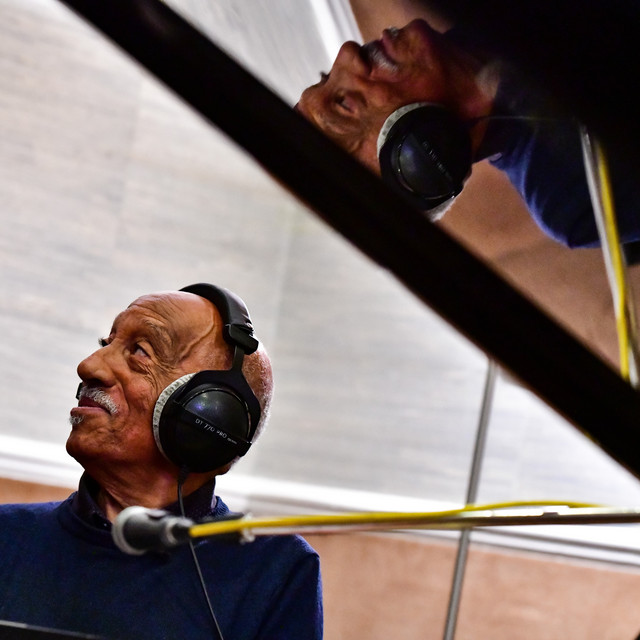
In the studio and on the stage, Ethiopian music has produced voices that travel far beyond the country’s borders. Legends such as Tilahun Gessesse and Mahmoud Ahmed defined the golden era of Ethiopian pop, their emotive lines becoming enduring touchstones. Aster Aweke fused soulful balladry with contemporary pop to become a regional icon, while Teddy Afro brought social storytelling to stadiums with bold, catchy hooks. Then there’s Mulatu Astatke, the father of Ethio‑jazz, who fused traditional Ethiopian modes with Latin and jazz textures; his arrangements—vibraphone lines, guitar and horn harmonies—created a sound that would echo around the world. Mulatu’s music gained renewed life when it was featured in the Jim Jarmusch film Broken Flowers, connecting international audiences with Ethiopia’s musical vocabulary.
Today’s Ethiopian scene is a living conversation between the old and the new. You can hear temple-like vocal choirs and sacred chant beside electronic-infused funk, hip-hop in Amharic, and experimental jazz in Addis Ababa’s night markets. The country hosts vibrant live nights at historic venues like Fendika Cultural Center, where traditional dance meets contemporary jazz, as well as hotels and clubs in the capital that host touring Ethiopian acts and international guests. The Yod Abyssinia Restaurant has long been a fixture, presenting nightly ensembles that celebrate the country’s musical heritage while inviting modern voices to the mic. Regional cities—Gondar, Bahir Dar, Arba Minch and Hawassa—meet in mosaic rhythms at festivals, concerts, and street performances, reminding listeners that Ethiopian music is both rooted in ritual and alive with improvisation.
With a population of about 126 million, Ethiopia stands as Africa’s second‑most populous nation and a cultural powerhouse where music remains a universal language. Its sounds continue to travel across borders through streaming, collaborations, and diaspora communities, inviting listeners to explore intricate modal moods, resilient storytelling, and danceable grooves. For music enthusiasts, Ethiopia offers a lifetime of discovery: the reverberant echoes of the past, the playful risk‑taking of contemporary bands, and the promise of new cross‑cultural fusions that keep the rhythm moving forward. Whether you’re digging through vinyl archives, exploring streaming playlists, or traveling to Addis Ababa for a live show, Ethiopia offers an evolving soundscape that rewards patient listening and open curiosity. The country’s musical pulse is a passport to new grooves, new stories, and shared celebration across generations.
In the studio and on the stage, Ethiopian music has produced voices that travel far beyond the country’s borders. Legends such as Tilahun Gessesse and Mahmoud Ahmed defined the golden era of Ethiopian pop, their emotive lines becoming enduring touchstones. Aster Aweke fused soulful balladry with contemporary pop to become a regional icon, while Teddy Afro brought social storytelling to stadiums with bold, catchy hooks. Then there’s Mulatu Astatke, the father of Ethio‑jazz, who fused traditional Ethiopian modes with Latin and jazz textures; his arrangements—vibraphone lines, guitar and horn harmonies—created a sound that would echo around the world. Mulatu’s music gained renewed life when it was featured in the Jim Jarmusch film Broken Flowers, connecting international audiences with Ethiopia’s musical vocabulary.
Today’s Ethiopian scene is a living conversation between the old and the new. You can hear temple-like vocal choirs and sacred chant beside electronic-infused funk, hip-hop in Amharic, and experimental jazz in Addis Ababa’s night markets. The country hosts vibrant live nights at historic venues like Fendika Cultural Center, where traditional dance meets contemporary jazz, as well as hotels and clubs in the capital that host touring Ethiopian acts and international guests. The Yod Abyssinia Restaurant has long been a fixture, presenting nightly ensembles that celebrate the country’s musical heritage while inviting modern voices to the mic. Regional cities—Gondar, Bahir Dar, Arba Minch and Hawassa—meet in mosaic rhythms at festivals, concerts, and street performances, reminding listeners that Ethiopian music is both rooted in ritual and alive with improvisation.
With a population of about 126 million, Ethiopia stands as Africa’s second‑most populous nation and a cultural powerhouse where music remains a universal language. Its sounds continue to travel across borders through streaming, collaborations, and diaspora communities, inviting listeners to explore intricate modal moods, resilient storytelling, and danceable grooves. For music enthusiasts, Ethiopia offers a lifetime of discovery: the reverberant echoes of the past, the playful risk‑taking of contemporary bands, and the promise of new cross‑cultural fusions that keep the rhythm moving forward. Whether you’re digging through vinyl archives, exploring streaming playlists, or traveling to Addis Ababa for a live show, Ethiopia offers an evolving soundscape that rewards patient listening and open curiosity. The country’s musical pulse is a passport to new grooves, new stories, and shared celebration across generations.