
Country
Gambia
Top Artists from Gambia
Showing 3 of 3 artists

About Gambia
Nestled on the Atlantic coast of West Africa, The Gambia is a country where music feels woven into daily life. It’s the smallest country on the African mainland, about 11,300 square kilometers in size, with a population of roughly 2.4 million people. For music lovers, the Gambia offers a warm, intimate landscape where traditional griot storytelling meets contemporary sounds, all bathed in the rhythm of the river that gave the nation its name.
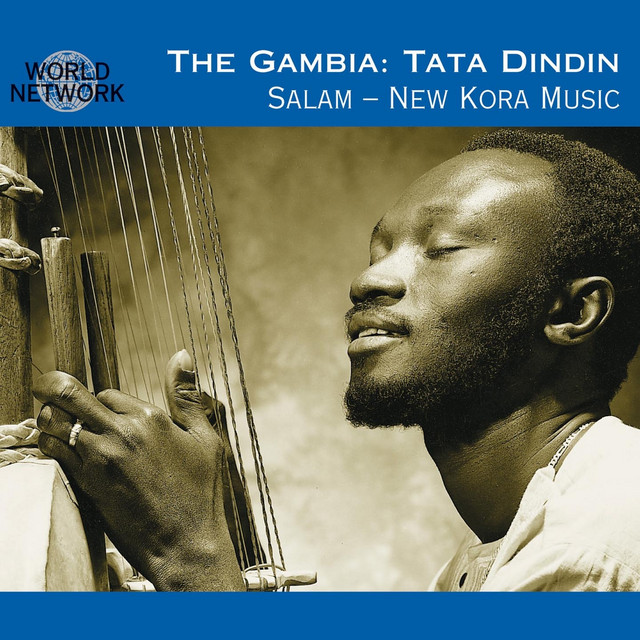
The core of Gambian music is the jeli or griot tradition. Jeli musicians are historians, poets, and players all in one, using praise-singing, call-and-response, and a shimmering array of instruments to carry family lineages and communal memory. The kora, a 21-string lute-bridge-harp, is the instrument most associated with this tradition, its plucked melodies weaving with drum rhythms to create hypnotic conversations between performer and audience. Beyond the kora, the balafon (wooden xylophone) and djembe drums are vital voices in ceremonies, weddings, markets, and festival stages, where music is not merely entertainment but a social glue.
Among the most visible modern ambassadors of Gambian music are Jaliba Kuyateh and Sona Jobarteh. Jaliba Kuyateh, often called the “King of Kora,” popularized a more accessible, joyful brand of jeli music with his Kumare Band, bringing traditional melodies into contemporary circuits and touring across the region. Sona Jobarteh, a renowned kora virtuoso and composer, has helped global audiences connect with the Mandinka jeli tradition while also pushing women to forefronts previously dominated by men. Their work sits at the crossroads of heritage and innovation, inspiring a new generation of players and listeners.
Foday Musa Suso is another pillar in the Gambian musical diaspora. A master kora player who spent significant time in the Americas and Europe, Suso has helped introduce the kora to wider, cross-cultural audiences and has collaborated with artists across genres. His presence reminds listeners that Gambian music has long traveled beyond its borders, informing and being informed by global sounds.
The Gambia’s music scene is also shaped by festivals, open-air concerts, and club nights in and around Banjul, Serekunda, and the coastal towns. Local venues, cultural centers, and community gatherings keep a steady pulse of live music, from traditional performances to contemporary fusion and reggae-influenced works. The National Centre for Arts and Culture in Banjul and other cultural hubs are important spaces where artists present work, host workshops, and connect with audiences, both locally and with visitors drawn by West Africa’s rich musical vocabulary.
What makes Gambian music special for enthusiasts? It’s the effortless blend of storytelling and groove, the way a kora line can sit beside a drum pattern and spark a shared moment of listening between strangers. It’s a living tradition that honors the past while inviting experimentation—an inviting invitation for travelers who want to hear how history, ceremony, and dance carry a culture forward. If you’re chasing soul-stirring rhythm, intimate performances, and a conversarive, welcoming vibe, The Gambia offers a vibrant doorway into West African music.
The core of Gambian music is the jeli or griot tradition. Jeli musicians are historians, poets, and players all in one, using praise-singing, call-and-response, and a shimmering array of instruments to carry family lineages and communal memory. The kora, a 21-string lute-bridge-harp, is the instrument most associated with this tradition, its plucked melodies weaving with drum rhythms to create hypnotic conversations between performer and audience. Beyond the kora, the balafon (wooden xylophone) and djembe drums are vital voices in ceremonies, weddings, markets, and festival stages, where music is not merely entertainment but a social glue.
Among the most visible modern ambassadors of Gambian music are Jaliba Kuyateh and Sona Jobarteh. Jaliba Kuyateh, often called the “King of Kora,” popularized a more accessible, joyful brand of jeli music with his Kumare Band, bringing traditional melodies into contemporary circuits and touring across the region. Sona Jobarteh, a renowned kora virtuoso and composer, has helped global audiences connect with the Mandinka jeli tradition while also pushing women to forefronts previously dominated by men. Their work sits at the crossroads of heritage and innovation, inspiring a new generation of players and listeners.
Foday Musa Suso is another pillar in the Gambian musical diaspora. A master kora player who spent significant time in the Americas and Europe, Suso has helped introduce the kora to wider, cross-cultural audiences and has collaborated with artists across genres. His presence reminds listeners that Gambian music has long traveled beyond its borders, informing and being informed by global sounds.
The Gambia’s music scene is also shaped by festivals, open-air concerts, and club nights in and around Banjul, Serekunda, and the coastal towns. Local venues, cultural centers, and community gatherings keep a steady pulse of live music, from traditional performances to contemporary fusion and reggae-influenced works. The National Centre for Arts and Culture in Banjul and other cultural hubs are important spaces where artists present work, host workshops, and connect with audiences, both locally and with visitors drawn by West Africa’s rich musical vocabulary.
What makes Gambian music special for enthusiasts? It’s the effortless blend of storytelling and groove, the way a kora line can sit beside a drum pattern and spark a shared moment of listening between strangers. It’s a living tradition that honors the past while inviting experimentation—an inviting invitation for travelers who want to hear how history, ceremony, and dance carry a culture forward. If you’re chasing soul-stirring rhythm, intimate performances, and a conversarive, welcoming vibe, The Gambia offers a vibrant doorway into West African music.