
Country
Guadeloupe
Top Artists from Guadeloupe
Showing 16 of 16 artists


About Guadeloupe
Guadeloupe is a Caribbean mosaic that is both French and fiercely Creole, a place where rainwashed hills meet turquoise sea and rhythms rise with the wind. An overseas department of France, its two main islands, Basse-Terre and Grande-Terre, are ringed by white-sand coves, mangrove lagoons, and a musical landscape as varied as its scenery. The population stands at roughly 400,000 people, threading together Afro-Caribbean, European, and Indigenous influences into a vibrant creole soundscape.
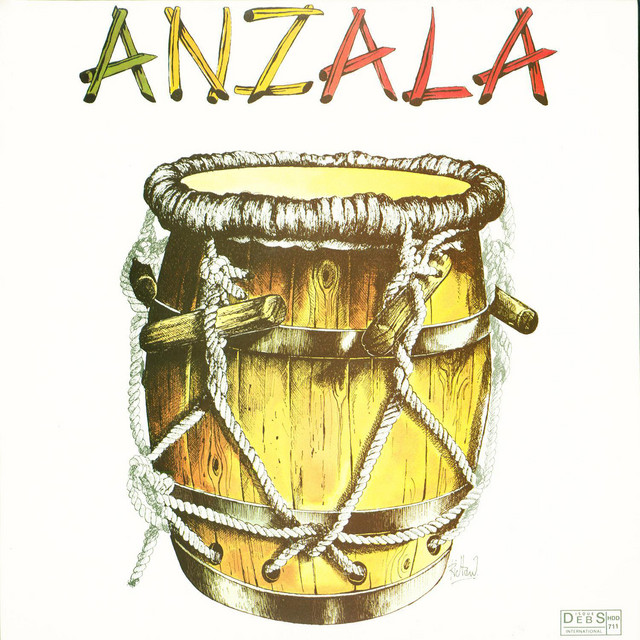
For music lovers, Guadeloupe is a living classroom of rhythm and fusion. Traditional gwo ka, a drumming-driven genre born among enslaved communities and kept alive by social dancing and storytelling, still pulses through village fiestas and ceremony. The gwo ka drums—bembe, tar, and the giant kaw—create polyrhythms that invite communal participation and improvisation.
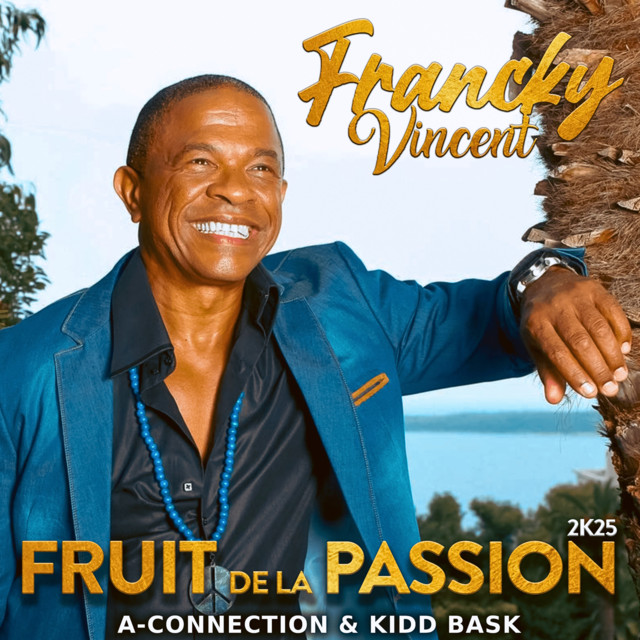
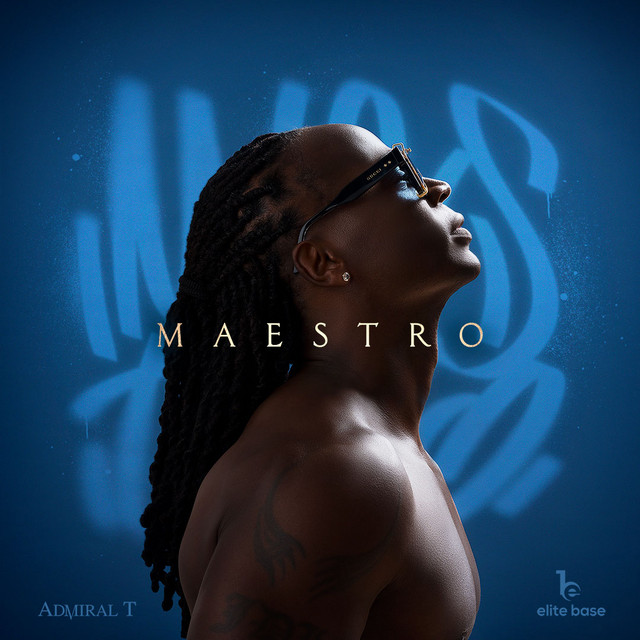
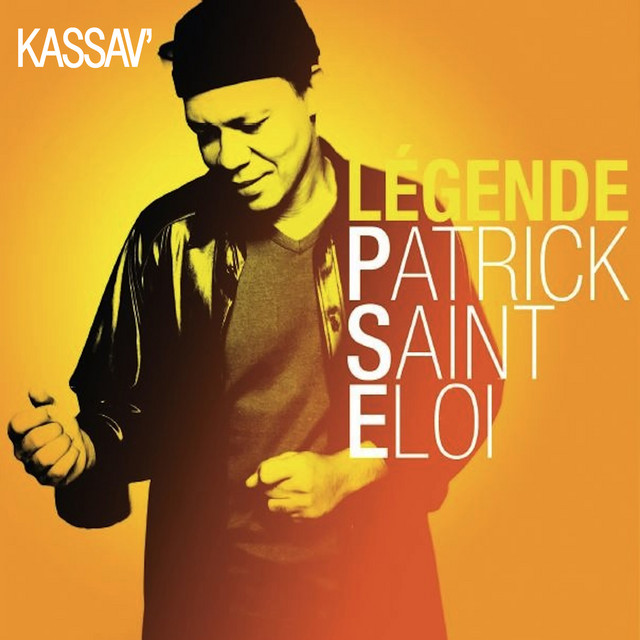
From these roots grew one of the Caribbean’s most influential modern sounds: zouk. Born in the 1980s through the cross Atlantic collaboration of Guadeloupean and Martinican musicians—most famously the band Kassav’—zouk fused cadence with funk, dancehall, and Creole poetry. The result was a global dancefloor phenomenon that redefined Caribbean pop. Guadeloupe remains proud of Kassav’ as cultural pioneers, but the island’s contemporary scene has kept evolving. Artists such as Francky Vincent carried the zouk flame into the 1990s with infectious party anthems, while Admiral T later fused dancehall, hip hop, and Caribbean rhythms into a distinctly Guadeloupean voice that resonates far beyond the archipelago.
Guadeloupe’s music ecosystem is also defined by live venues, festivals, and a climate that rewards outdoor performances. In Pointe-à-Pitre and the surrounding towns, cultural centers host concerts that blend local tradition with international guest appearances. The island’s clubs and intimate stages welcome everything from cutting-edge DJs to acoustic storytellers, making Guadeloupe a popular stop on Caribbean and Francophone tours. Festivals celebrate both a sense of place and a sense of rhythm: Carnival, held each year before Lent with parades, masquerade groups, and brass bands; and Gwoka-focused events that showcase percussion-led improvisation and dance. These gatherings are not just parties; they’re social laboratories where new artists cut their teeth and audiences learn to listen across generations.
Guadeloupe’s influence on music stretches beyond its shores. The island’s distinctive blend of creole language, infectious grooves, and fearless collaboration has inspired Francophone Caribbean artists and helped shape the broader zouk movement. For a music enthusiast, Guadeloupe offers a convergence of ancestral drum memory, modern club energy, and a welcoming cultural ambiance that makes every concert feel like a shared ritual. Its music remains a passport to Caribbean identity and universal rhythm. Guadeloupe remains rhythmically unforgettable forever.
For music lovers, Guadeloupe is a living classroom of rhythm and fusion. Traditional gwo ka, a drumming-driven genre born among enslaved communities and kept alive by social dancing and storytelling, still pulses through village fiestas and ceremony. The gwo ka drums—bembe, tar, and the giant kaw—create polyrhythms that invite communal participation and improvisation.
From these roots grew one of the Caribbean’s most influential modern sounds: zouk. Born in the 1980s through the cross Atlantic collaboration of Guadeloupean and Martinican musicians—most famously the band Kassav’—zouk fused cadence with funk, dancehall, and Creole poetry. The result was a global dancefloor phenomenon that redefined Caribbean pop. Guadeloupe remains proud of Kassav’ as cultural pioneers, but the island’s contemporary scene has kept evolving. Artists such as Francky Vincent carried the zouk flame into the 1990s with infectious party anthems, while Admiral T later fused dancehall, hip hop, and Caribbean rhythms into a distinctly Guadeloupean voice that resonates far beyond the archipelago.
Guadeloupe’s music ecosystem is also defined by live venues, festivals, and a climate that rewards outdoor performances. In Pointe-à-Pitre and the surrounding towns, cultural centers host concerts that blend local tradition with international guest appearances. The island’s clubs and intimate stages welcome everything from cutting-edge DJs to acoustic storytellers, making Guadeloupe a popular stop on Caribbean and Francophone tours. Festivals celebrate both a sense of place and a sense of rhythm: Carnival, held each year before Lent with parades, masquerade groups, and brass bands; and Gwoka-focused events that showcase percussion-led improvisation and dance. These gatherings are not just parties; they’re social laboratories where new artists cut their teeth and audiences learn to listen across generations.
Guadeloupe’s influence on music stretches beyond its shores. The island’s distinctive blend of creole language, infectious grooves, and fearless collaboration has inspired Francophone Caribbean artists and helped shape the broader zouk movement. For a music enthusiast, Guadeloupe offers a convergence of ancestral drum memory, modern club energy, and a welcoming cultural ambiance that makes every concert feel like a shared ritual. Its music remains a passport to Caribbean identity and universal rhythm. Guadeloupe remains rhythmically unforgettable forever.