
Country
Hungary
Top Artists from Hungary
Showing 25 of 729 artists














About Hungary
Hungary is a country where music seems to breathe through street corners, concert halls, and riverbanks, inviting listeners to hear a history in motion. With a population of about 9.6 million, Hungary sustains a vibrant and diverse musical life that delights both devoted connoisseurs and curious newcomers. From folk melodies carried for generations to bold contemporary experiments, the landscape offers a rich spectrum for enthusiasts.
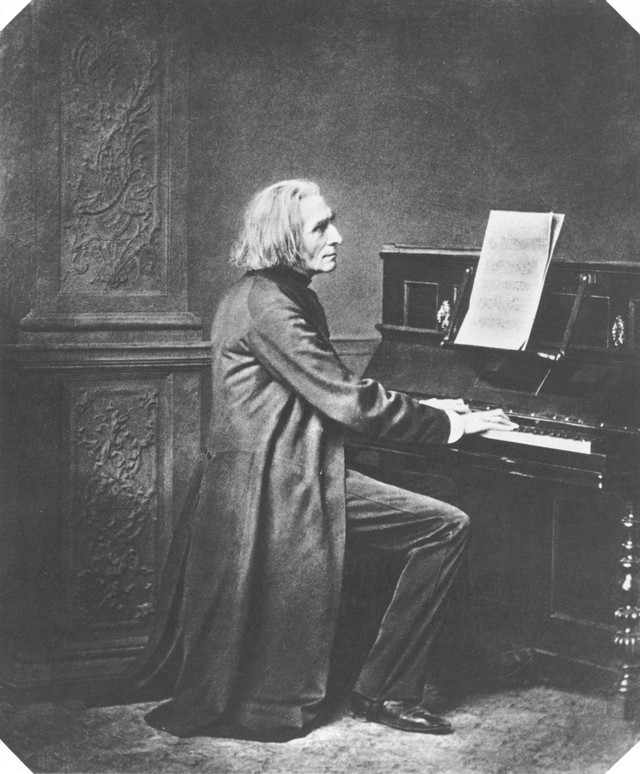
The roots go deep in traditional song and dance. Czárdás and verbunkos rhythms once guided gatherings and recruitment processions, while Romani‑influenced tunes added a lush, improvisational gloss. In the 20th century, Béla Bartók and Zoltán Kodály made ethnomusicology a creative force, collecting thousands of folk tunes and turning them into modern orchestral works, pedagogical methods, and cross‑cultural dialogue. Their legacy is felt every time a concert program blends memory and invention, and in the way teachers approach students with melodic syllables that unlock musical thinking. Franz Liszt stands as a landmark figure, a symbol of romantic virtuosity and trans‑European exchange, reminding audiences that Hungary has long been a meeting point for ideas and daring sounds.
Budapest is the heartbeat of Hungarian music, a city where historic venues and adventurous spaces coexist. The Franz Liszt Academy of Music trains generations of pianists, composers, and performers, while the ornate Hungarian State Opera House hosts grand productions that resonate in velvet acoustics. Müpa Budapest (the Palace of Arts) brings classical, contemporary, and world music under one striking roof, bridging audiences across generations. The A38 Ship, a former cargo vessel docked on the Danube, is a famed floating venue where intimate gigs meet high‑voltage nights. In summer, Sziget Festival on Óbuda Island attracts tens of thousands from around the world for a multi‑stage, cross‑genre experience. Other major events—Budapest Spring Festival, VeszprémFest, and a thriving jazz and world‑music scene—keep the city’s stages alive throughout the year.
Hungarian artists have left a lasting imprint on multiple genres. Gábor Szabó’s guitar work helped fuse Hungarian sensibility with American jazz‑rock, while Ferenc Snétberger’s improvisational fire shines in global clubs and festival stages. In pop and art‑pop circles, Boggie gained international attention with a savvy, image‑driven story‑song approach. The country’s rock heritage runs through classic bands such as Illés and Omega, whose early albums and live performances defined an era and inspired successors. Today’s scene spans electronic, indie, and experimental acts that routinely invite international collaboration.
Distinctive sounds—like the bright timbre of the cimbalom and the robust brass lines of traditional ensembles—underscore Hungary’s unique musical fingerprint. For music lovers, the country offers a welcoming invitation to explore past and present, to hear echoes of folk ritual beside cutting‑edge production, and to discover how a small nation can cast a wide influence on the world’s concert stages. Hungary awaits listeners eager for depth and discovery.
The roots go deep in traditional song and dance. Czárdás and verbunkos rhythms once guided gatherings and recruitment processions, while Romani‑influenced tunes added a lush, improvisational gloss. In the 20th century, Béla Bartók and Zoltán Kodály made ethnomusicology a creative force, collecting thousands of folk tunes and turning them into modern orchestral works, pedagogical methods, and cross‑cultural dialogue. Their legacy is felt every time a concert program blends memory and invention, and in the way teachers approach students with melodic syllables that unlock musical thinking. Franz Liszt stands as a landmark figure, a symbol of romantic virtuosity and trans‑European exchange, reminding audiences that Hungary has long been a meeting point for ideas and daring sounds.
Budapest is the heartbeat of Hungarian music, a city where historic venues and adventurous spaces coexist. The Franz Liszt Academy of Music trains generations of pianists, composers, and performers, while the ornate Hungarian State Opera House hosts grand productions that resonate in velvet acoustics. Müpa Budapest (the Palace of Arts) brings classical, contemporary, and world music under one striking roof, bridging audiences across generations. The A38 Ship, a former cargo vessel docked on the Danube, is a famed floating venue where intimate gigs meet high‑voltage nights. In summer, Sziget Festival on Óbuda Island attracts tens of thousands from around the world for a multi‑stage, cross‑genre experience. Other major events—Budapest Spring Festival, VeszprémFest, and a thriving jazz and world‑music scene—keep the city’s stages alive throughout the year.
Hungarian artists have left a lasting imprint on multiple genres. Gábor Szabó’s guitar work helped fuse Hungarian sensibility with American jazz‑rock, while Ferenc Snétberger’s improvisational fire shines in global clubs and festival stages. In pop and art‑pop circles, Boggie gained international attention with a savvy, image‑driven story‑song approach. The country’s rock heritage runs through classic bands such as Illés and Omega, whose early albums and live performances defined an era and inspired successors. Today’s scene spans electronic, indie, and experimental acts that routinely invite international collaboration.
Distinctive sounds—like the bright timbre of the cimbalom and the robust brass lines of traditional ensembles—underscore Hungary’s unique musical fingerprint. For music lovers, the country offers a welcoming invitation to explore past and present, to hear echoes of folk ritual beside cutting‑edge production, and to discover how a small nation can cast a wide influence on the world’s concert stages. Hungary awaits listeners eager for depth and discovery.