Country
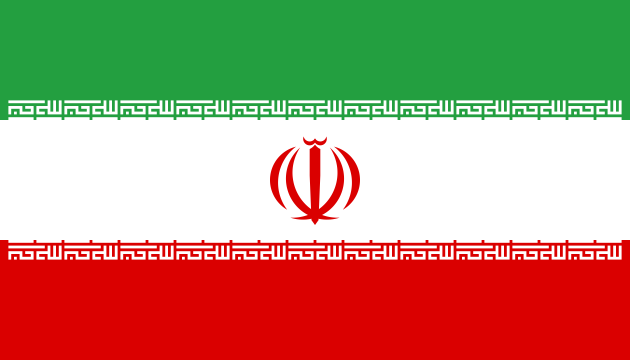
Iran, Islamic Republic Of
Top Artists from Iran, Islamic Republic Of
Showing 25 of 236 artists

About Iran, Islamic Republic Of
Iran, Islamic Republic Of, is a cradle of music as varied as its landscapes. From the ancient modal system of the Dastgahs to the vibrant street songs of modern Tehran, Iranian music weaves poetry, ritual, and daily life into sound. In Iran’s many provinces, regional styles flourish—goleh, Kurdish music in the west; Baluchi desert songs in the southeast; Persian classical traditions alongside contemporary pop and hip‑hop in urban centers. The result is a dynamic scene where lineage and experimentation meet.
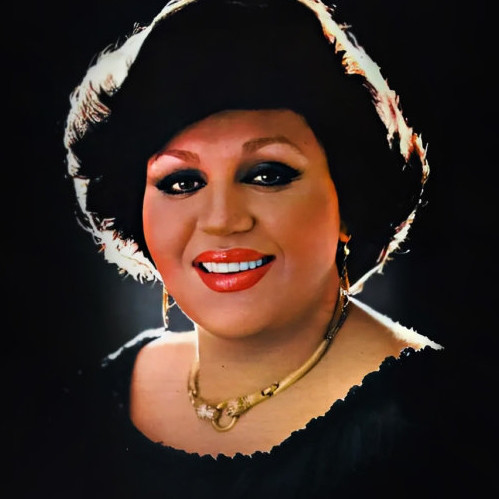
Among the country’s best known voices are Googoosh, a legendary pop icon whose career spans pre‑revolution cinema, exile, and a powerful late‑career stage presence; Ebi (Ebrahim Hamedi), whose romantic ballads became a soundtrack for generations; and Dariush, whose pro‑revolution era songs later found new life in a broader audience. Classical audiences revere Mohammad‑Reza Shajarian for his mastery of the radif and his stirring interpretations that fused tradition with modern sensibilities. In recent decades, younger artists such as Mohsen Namjoo have pushed boundaries, blending traditional instruments with experimental rock and electronic textures. On the pop‑culture frontier, Iranian‑diaspora artists such as Arash have achieved global reach with catchy, danceable tracks that retain a distinctly Persian sensibility. In the classical‑world fusion arena, the pipedream crossover work of Kayhan Kalhor on the kamancheh and Hossein Alizadeh on tar and setar has attracted international collaborations, including Kalhor’s projects with the Silk Road Ensemble and with contemporary composers.
Important venues in Tehran keep this spectrum audible. Vahdat Hall (Roudaki Hall) remains a ceremonial hub for orchestral and vocal recitals, while the Milad Tower concert halls host both domestic stars and visiting ensembles. The Niavaran Cultural Center regularly mounts intimate concerts that showcase poets and composers alongside visual art. For grand occasions, festival stages in Tehran and across major cities spotlight both fixed repertoire and new commissions.
A cornerstone of Iran’s music ecosystem is the Fajr International Music Festival, held each year as part of the Fajr cultural season. It gathers traditional, classical, and contemporary acts, drawing musicians from all corners of the country and attracting international guests. Museums, academic institutions, and conservatories—like the Tehran-based music faculties—nurture the Radif tradition while also support modern genres, from filmi‑pop to underground hip‑hop. The country’s population, roughly 86 million, sustains a robust scene where centuries‑old modes vibrate beside nightclub grooves and streaming playlists.
For music enthusiasts, Iran offers a living archive: the resonant timbre of tanbur and setar, the electric surge of pop anthems, the improvisational blaze of a kamancheh solo, and the unmistakable poetry of lyric in both Farsi and regional languages. Whether you’re tracing a Dastgah, chasing an Arash single, or following a concert hall program, Iran’s music invites you to hear history on the move. Documentaries and recordings capture the evolving scene, from archival radio ballads to state‑of‑the‑art studio productions. Guests from across the Balkans, Caucasus, and the Persian Gulf stop in Tehran for collaborations, festivals, and residencies. For travelers and students of sound, Iran offers an audible map of history, faith, and fearless creativity for curious listeners.
Among the country’s best known voices are Googoosh, a legendary pop icon whose career spans pre‑revolution cinema, exile, and a powerful late‑career stage presence; Ebi (Ebrahim Hamedi), whose romantic ballads became a soundtrack for generations; and Dariush, whose pro‑revolution era songs later found new life in a broader audience. Classical audiences revere Mohammad‑Reza Shajarian for his mastery of the radif and his stirring interpretations that fused tradition with modern sensibilities. In recent decades, younger artists such as Mohsen Namjoo have pushed boundaries, blending traditional instruments with experimental rock and electronic textures. On the pop‑culture frontier, Iranian‑diaspora artists such as Arash have achieved global reach with catchy, danceable tracks that retain a distinctly Persian sensibility. In the classical‑world fusion arena, the pipedream crossover work of Kayhan Kalhor on the kamancheh and Hossein Alizadeh on tar and setar has attracted international collaborations, including Kalhor’s projects with the Silk Road Ensemble and with contemporary composers.
Important venues in Tehran keep this spectrum audible. Vahdat Hall (Roudaki Hall) remains a ceremonial hub for orchestral and vocal recitals, while the Milad Tower concert halls host both domestic stars and visiting ensembles. The Niavaran Cultural Center regularly mounts intimate concerts that showcase poets and composers alongside visual art. For grand occasions, festival stages in Tehran and across major cities spotlight both fixed repertoire and new commissions.
A cornerstone of Iran’s music ecosystem is the Fajr International Music Festival, held each year as part of the Fajr cultural season. It gathers traditional, classical, and contemporary acts, drawing musicians from all corners of the country and attracting international guests. Museums, academic institutions, and conservatories—like the Tehran-based music faculties—nurture the Radif tradition while also support modern genres, from filmi‑pop to underground hip‑hop. The country’s population, roughly 86 million, sustains a robust scene where centuries‑old modes vibrate beside nightclub grooves and streaming playlists.
For music enthusiasts, Iran offers a living archive: the resonant timbre of tanbur and setar, the electric surge of pop anthems, the improvisational blaze of a kamancheh solo, and the unmistakable poetry of lyric in both Farsi and regional languages. Whether you’re tracing a Dastgah, chasing an Arash single, or following a concert hall program, Iran’s music invites you to hear history on the move. Documentaries and recordings capture the evolving scene, from archival radio ballads to state‑of‑the‑art studio productions. Guests from across the Balkans, Caucasus, and the Persian Gulf stop in Tehran for collaborations, festivals, and residencies. For travelers and students of sound, Iran offers an audible map of history, faith, and fearless creativity for curious listeners.