Country
Isle Of Man
Top Artists from Isle Of Man
Showing 6 of 6 artists


About Isle Of Man
The Isle of Man is a small but sonically rich island in the Irish Sea, where the rhythm of the tides meets a surprisingly vibrant music scene. For music enthusiasts, the island offers a blend of traditional folk roots, classical ambition, and contemporary experimentation, all set against a landscape that feels almost cinematic when a concert hall fills with sound.
Tradition runs deep here. Manx music carries the echoes of Celtic and Norse heritage, with melodies and songs passed down through generations. The island’s traditional repertoire often features fiddle, flute, and small-ensemble singing, anchored by a strong choral tradition. In addition to the spoken and sung word in English, you’ll find Manx-language songs that celebrate revival and identity, revealing a culture where language and music intertwine as living art. This heritage informs today’s scenes as local musicians remix ancient tunes for modern audiences, keeping the island’s musical voice both distinctive and welcoming to newcomers.
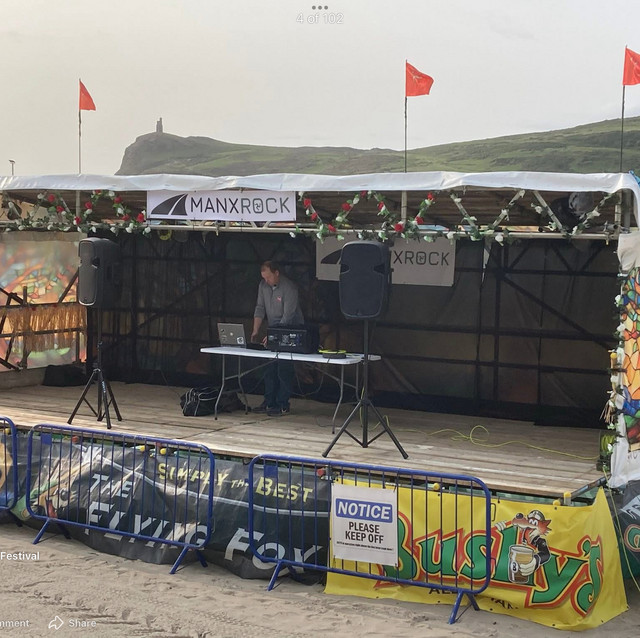
For concert-goers and gearheads alike, the Isle of Man’s main venues are a magnet for both touring artists and local talent. The Gaiety Theatre in Douglas remains the island’s flagship performance space, hosting everything from West End productions to contemporary gigs. The Villa Marina, perched on Douglas Bay, is another staple, known for its intimate atmosphere and diverse programs that range from orchestral evenings to pop and folk concerts. In Peel, the historic Queen’s Hall has served as a cultural hub for decades, offering a platform for chamber music, solo recitals, and community performances. Outside the towns, scenic venues such as the Niarbyl and smaller club settings in pubs and community venues keep live music a constant presence, especially in the warmer months when the coastline acts as a natural amphitheatre.
Annual events give shape and momentum to the island’s music calendar. The Manx Music Festival (MMF) is a cornerstone, bringing together young and seasoned musicians across vocal and instrumental disciplines in a series of competitions and showcases that travel through schools and community venues before culminating in larger public performances. This festival is not only a stage for talent but also a communal celebration that strengthens the island’s music education and audience base. In addition, regular jazz, folk, and contemporary music nights thread through the summer and autumn seasons, with touring artists and local ensembles appearing in Douglas, Ramsey, and across smaller towns.
Isle of Man music has a broader ripple effect too. The island’s arts funding and community organizations foster collaborations with the UK and Ireland, allowing Manx musicians to cut their teeth on regional circuits while shaping their own sound. While the Isle of Man may not be the birthplace of a global pop icon, its music scene is intimate, carefully nurtured, and highly capable of surprising listeners with momentary flashes of raw, island-born inspiration. For those who visit, the experience is less about a single “famous act” and more about a living, evolving ecosystem—where traditional tunes meet modern arrangements, where concert halls and seaside stages share the same sun-kissed air, and where a population of around 85,000 keeps the music beating.
Tradition runs deep here. Manx music carries the echoes of Celtic and Norse heritage, with melodies and songs passed down through generations. The island’s traditional repertoire often features fiddle, flute, and small-ensemble singing, anchored by a strong choral tradition. In addition to the spoken and sung word in English, you’ll find Manx-language songs that celebrate revival and identity, revealing a culture where language and music intertwine as living art. This heritage informs today’s scenes as local musicians remix ancient tunes for modern audiences, keeping the island’s musical voice both distinctive and welcoming to newcomers.
For concert-goers and gearheads alike, the Isle of Man’s main venues are a magnet for both touring artists and local talent. The Gaiety Theatre in Douglas remains the island’s flagship performance space, hosting everything from West End productions to contemporary gigs. The Villa Marina, perched on Douglas Bay, is another staple, known for its intimate atmosphere and diverse programs that range from orchestral evenings to pop and folk concerts. In Peel, the historic Queen’s Hall has served as a cultural hub for decades, offering a platform for chamber music, solo recitals, and community performances. Outside the towns, scenic venues such as the Niarbyl and smaller club settings in pubs and community venues keep live music a constant presence, especially in the warmer months when the coastline acts as a natural amphitheatre.
Annual events give shape and momentum to the island’s music calendar. The Manx Music Festival (MMF) is a cornerstone, bringing together young and seasoned musicians across vocal and instrumental disciplines in a series of competitions and showcases that travel through schools and community venues before culminating in larger public performances. This festival is not only a stage for talent but also a communal celebration that strengthens the island’s music education and audience base. In addition, regular jazz, folk, and contemporary music nights thread through the summer and autumn seasons, with touring artists and local ensembles appearing in Douglas, Ramsey, and across smaller towns.
Isle of Man music has a broader ripple effect too. The island’s arts funding and community organizations foster collaborations with the UK and Ireland, allowing Manx musicians to cut their teeth on regional circuits while shaping their own sound. While the Isle of Man may not be the birthplace of a global pop icon, its music scene is intimate, carefully nurtured, and highly capable of surprising listeners with momentary flashes of raw, island-born inspiration. For those who visit, the experience is less about a single “famous act” and more about a living, evolving ecosystem—where traditional tunes meet modern arrangements, where concert halls and seaside stages share the same sun-kissed air, and where a population of around 85,000 keeps the music beating.