Country
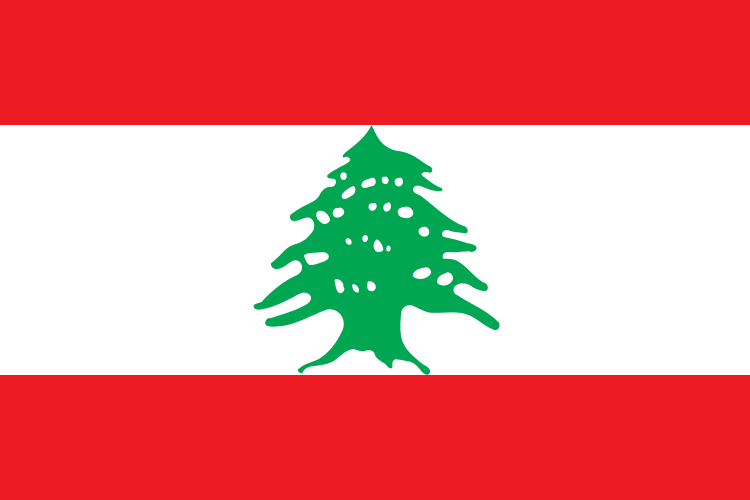
Lebanon
Top Artists from Lebanon
Showing 25 of 65 artists






About Lebanon
Lebanon, a small Mediterranean country perched at the crossroads of Europe, Asia, and Africa, is a vivid proving ground for music that blends memory and innovation. With a population of roughly 6.8 million people, Lebanon’s cultural heartbeat is most visible in Beirut, a city whose streets pulse with live music, improvisation, and a long memory of legendary concerts. The country’s geography—coastal plains meeting pine-clad mountains—creates acoustic atmospheres as diverse as its communities, where dabke dances downstairs and rooftop venues echo with electronic experiments upstairs.
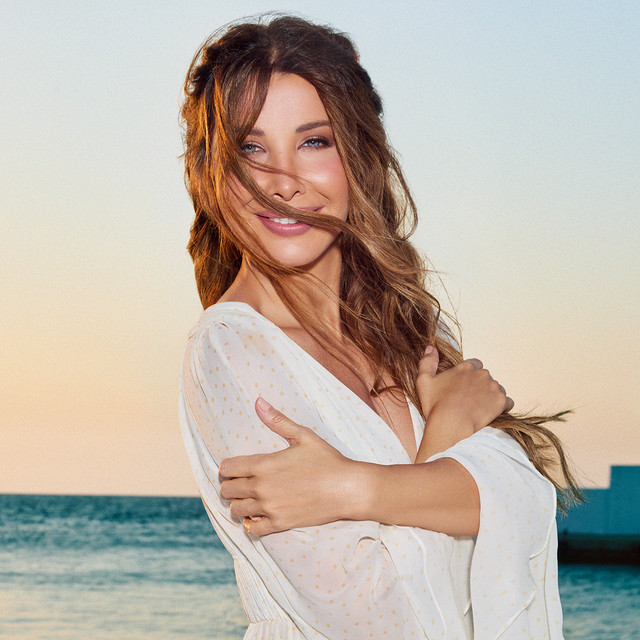
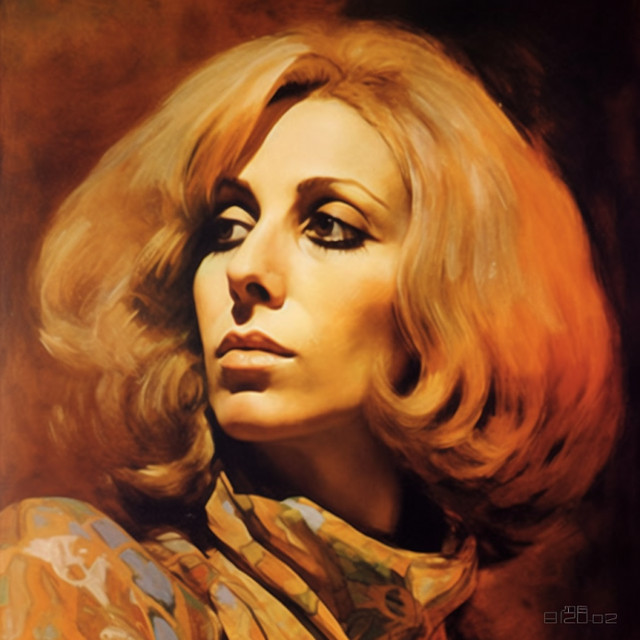
Historically, Lebanon has nurtured some of the Arab world’s most enduring voices. Fairuz, a towering emblem of Arabic song, shaped modern melodies with the Rahbani brothers, turning everyday stories into timeless anthems. Sabah and Wadih El-Safi were peers in a golden era of Lebanese vocal storytelling, while Majida El Roumi’s operatic gravitas and humanitarian spirit elevated pop and classical singing alike. In contemporary scenes, Lebanon continues to produce global names—Mika, the British-Lrench singer born in Beirut, helped fuse Western pop with Middle Eastern undertones; Nancy Ajram and Elissa became international ambassadors of Arabic pop, while Myriam Fares blends dance-pop with oud-inflected textures. The country’s music scene also thrives in the independent and the experimental, with new generations releasing music that traverses Arabic lyrics, Western production, and electronic textures.
Beirut’s venues and festivals are living laboratories for these sounds. The city hosts intimate clubs in Mar Mikhael and Gemmayze, where DJs mix Arabic samples with global club rhythms, and bands push boundaries in small rooms that feel like community labs. On a grander scale, the Baalbek International Festival, staged in the ancient hillside ruins, has welcomed international stars and Lebanese ensembles to a setting that makes music feel almost elemental. Byblos International Festival, one of the oldest in the region, combines sea breeze with concerts that span centuries of musical history. The Beirut Jazz Festival brings improvisation to town squares and concert halls, attracting players from across the Middle East and beyond. The Casino du Liban—historic, glamorous, and sometimes controversial—has hosted legends from Frank Sinatra to contemporary stars, while the Beirut Philharmonic Orchestra anchors classical music with big concerts and collaborations across genres. The Music Hall in Beirut remains a beloved space for new artists and cross-genre explorations, a symbol of the city’s enduring appetite for live performance.
Lebanese music also reflects a broader cultural hybridity: folk traditions like dabke fuse with hip-hop, rock, and electronic music, often via a robust network of independent labels, producers, and diasporic scenes across Europe and the Gulf. This resilience and openness have helped Lebanon become a remarkable incubator of sound—a place where ancient rhythms find new life in modern production, where a chorus can rise from a seaside festival to the world stage, and where the next act may emerge from a crowded alley just as easily as from a stadium.
Historically, Lebanon has nurtured some of the Arab world’s most enduring voices. Fairuz, a towering emblem of Arabic song, shaped modern melodies with the Rahbani brothers, turning everyday stories into timeless anthems. Sabah and Wadih El-Safi were peers in a golden era of Lebanese vocal storytelling, while Majida El Roumi’s operatic gravitas and humanitarian spirit elevated pop and classical singing alike. In contemporary scenes, Lebanon continues to produce global names—Mika, the British-Lrench singer born in Beirut, helped fuse Western pop with Middle Eastern undertones; Nancy Ajram and Elissa became international ambassadors of Arabic pop, while Myriam Fares blends dance-pop with oud-inflected textures. The country’s music scene also thrives in the independent and the experimental, with new generations releasing music that traverses Arabic lyrics, Western production, and electronic textures.
Beirut’s venues and festivals are living laboratories for these sounds. The city hosts intimate clubs in Mar Mikhael and Gemmayze, where DJs mix Arabic samples with global club rhythms, and bands push boundaries in small rooms that feel like community labs. On a grander scale, the Baalbek International Festival, staged in the ancient hillside ruins, has welcomed international stars and Lebanese ensembles to a setting that makes music feel almost elemental. Byblos International Festival, one of the oldest in the region, combines sea breeze with concerts that span centuries of musical history. The Beirut Jazz Festival brings improvisation to town squares and concert halls, attracting players from across the Middle East and beyond. The Casino du Liban—historic, glamorous, and sometimes controversial—has hosted legends from Frank Sinatra to contemporary stars, while the Beirut Philharmonic Orchestra anchors classical music with big concerts and collaborations across genres. The Music Hall in Beirut remains a beloved space for new artists and cross-genre explorations, a symbol of the city’s enduring appetite for live performance.
Lebanese music also reflects a broader cultural hybridity: folk traditions like dabke fuse with hip-hop, rock, and electronic music, often via a robust network of independent labels, producers, and diasporic scenes across Europe and the Gulf. This resilience and openness have helped Lebanon become a remarkable incubator of sound—a place where ancient rhythms find new life in modern production, where a chorus can rise from a seaside festival to the world stage, and where the next act may emerge from a crowded alley just as easily as from a stadium.