
Country
Madagascar
Top Artists from Madagascar
Showing 14 of 14 artists






About Madagascar
Madagascar is a musical archipelago of sounds where centuries-old traditions mingle with contemporary grooves. Off the southeast coast of Africa, this island nation offers a listening map as diverse as its wildlife. For music enthusiasts, Madagascar isn’t merely a destination—it’s a living classroom of rhythm, polyphony, and infectious danceability. With a population of roughly 29 million people, the country hums with languages that spill into song, street performances that spill into markets, and studios where new fusions are born every day. The result is a sonic landscape that travels far beyond the island’s shores, inviting listeners to explore rhythms that echo from coast to rainforest to highland villages.
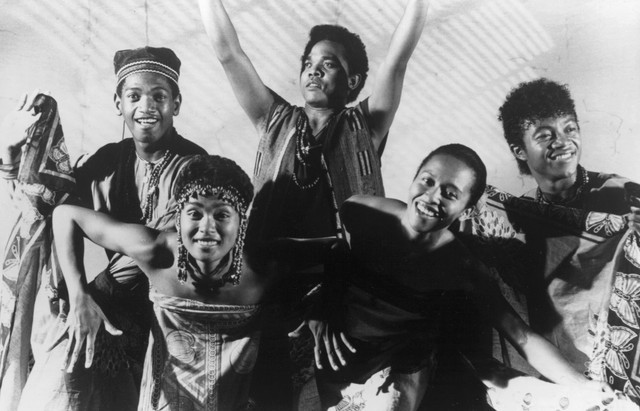
Traditional forms such as hiragasy—a celebrated Malagasy street theatre with singers, dancers, and witty dialogue—remain powerful on the island. The tradition thrives in town squares and village clearings, where call-and-response give-and-take between MCs and chorus lines can stretch into hours of festive storytelling. Percussion from drums, maracas, and bamboo creates a dynamic backbone, while the melodies glide over harmonies that feel both ancient and alive. Modern ceremonial music also flourishes at weddings and harvest celebrations, where seasoned bands interweave timeless motifs with contemporary grooves, showing how ritual and popular sound keep each other energized.
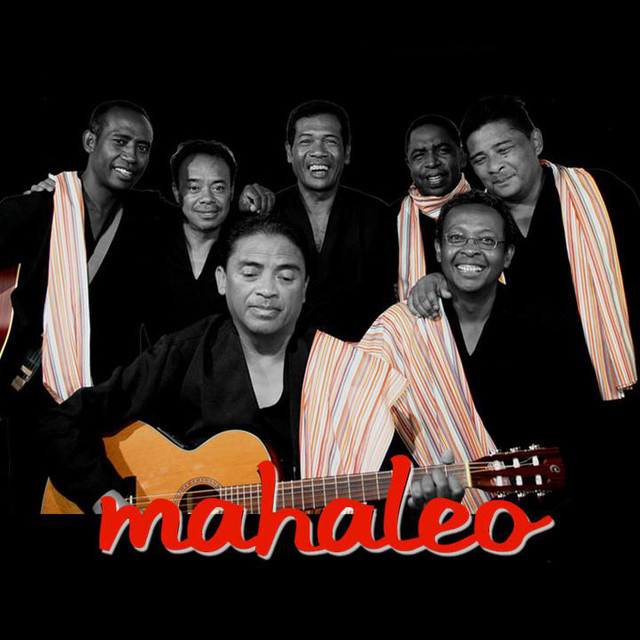
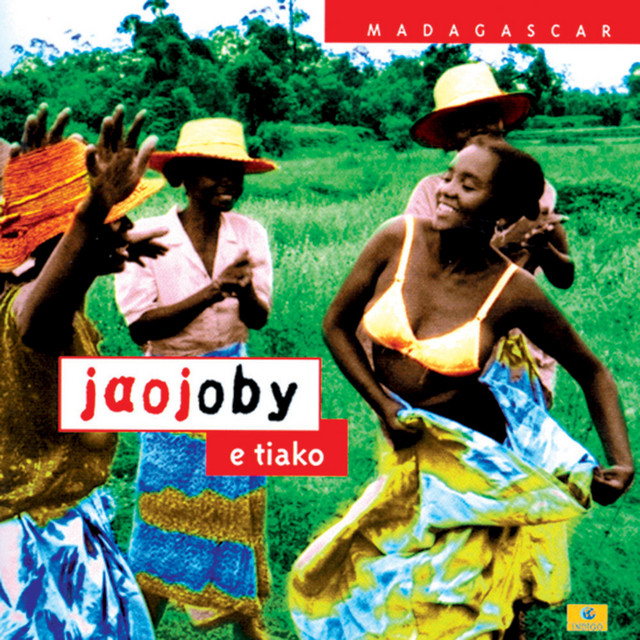
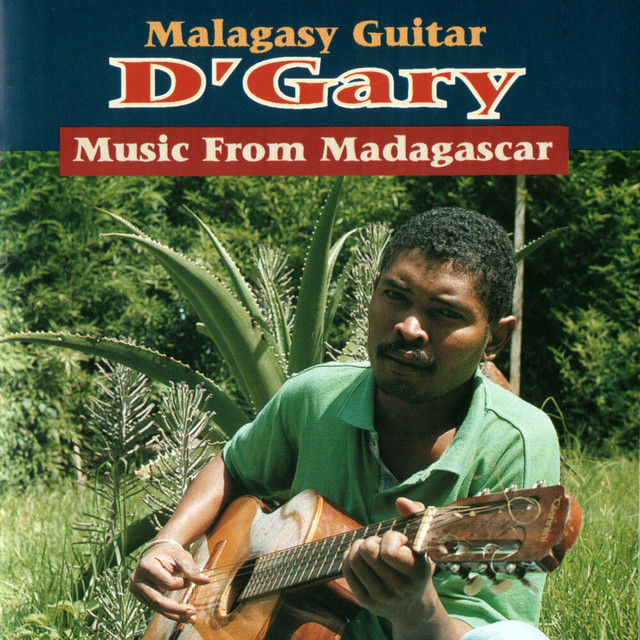
On the contemporary scene, Madagascar has produced artists who are known far beyond its shores. Jao Joby, a towering figure in salegy—the rapid, buoyant dance music heard across the coastal belt—has helped put Malagasy rhythm on global dance floors. The guitarist D’Gary dazzles with virtuosic fingerstyle that recalls the island’s deep storytelling tradition while pushing it into new harmonic territory. The legendary Mahaleo, a multi-generational folk-rock collective formed in 1972, fused social commentary with melodic sophistication, influencing countless younger acts and shaping a sense of national musical identity. Together, these names illustrate Madagascar’s ability to balance rooted styles with fearless experimentation.
The country’s music scene also thrives in festivals and venues that feel like communal gatherings. Madajazzcar, Madagascar’s long-running jazz festival, brings international improvisers and local virtuosos into Antananarivo’s clubs and theatres, creating a cross-pollinating space for creativity. Donia Festival in Nosy Be stages a broader array of world, reggae, rock, and Malagasy acts against a tropical backdrop, drawing visitors who come for performances and the island’s ambience. In Antananarivo and other cities, intimate venues—where a singer with a guitar or a small ensemble can command a room—offer nightly performances that remind listeners how song can connect neighborhoods, generations, and ideas.
Madagascar’s influence on world music lies in its fearless fusion and communal energy. Local musicians borrow from traditional call-and-response, trance-like rhythms, and melodic ornamentation to craft styles that travel well on the world stage. For music lovers, Madagascar is not just a country to hear—it is a workshop where culture, language, and sound continue to reinvent themselves. Studio innovation also thrives here: recording engineers blend traditional instruments with contemporary production, creating a distinctive glossy-earthy sound. This openness invites collaboration with African and European artists, producing cross-continental releases that document a music scene in motion and a culture unafraid to experiment.
Traditional forms such as hiragasy—a celebrated Malagasy street theatre with singers, dancers, and witty dialogue—remain powerful on the island. The tradition thrives in town squares and village clearings, where call-and-response give-and-take between MCs and chorus lines can stretch into hours of festive storytelling. Percussion from drums, maracas, and bamboo creates a dynamic backbone, while the melodies glide over harmonies that feel both ancient and alive. Modern ceremonial music also flourishes at weddings and harvest celebrations, where seasoned bands interweave timeless motifs with contemporary grooves, showing how ritual and popular sound keep each other energized.
On the contemporary scene, Madagascar has produced artists who are known far beyond its shores. Jao Joby, a towering figure in salegy—the rapid, buoyant dance music heard across the coastal belt—has helped put Malagasy rhythm on global dance floors. The guitarist D’Gary dazzles with virtuosic fingerstyle that recalls the island’s deep storytelling tradition while pushing it into new harmonic territory. The legendary Mahaleo, a multi-generational folk-rock collective formed in 1972, fused social commentary with melodic sophistication, influencing countless younger acts and shaping a sense of national musical identity. Together, these names illustrate Madagascar’s ability to balance rooted styles with fearless experimentation.
The country’s music scene also thrives in festivals and venues that feel like communal gatherings. Madajazzcar, Madagascar’s long-running jazz festival, brings international improvisers and local virtuosos into Antananarivo’s clubs and theatres, creating a cross-pollinating space for creativity. Donia Festival in Nosy Be stages a broader array of world, reggae, rock, and Malagasy acts against a tropical backdrop, drawing visitors who come for performances and the island’s ambience. In Antananarivo and other cities, intimate venues—where a singer with a guitar or a small ensemble can command a room—offer nightly performances that remind listeners how song can connect neighborhoods, generations, and ideas.
Madagascar’s influence on world music lies in its fearless fusion and communal energy. Local musicians borrow from traditional call-and-response, trance-like rhythms, and melodic ornamentation to craft styles that travel well on the world stage. For music lovers, Madagascar is not just a country to hear—it is a workshop where culture, language, and sound continue to reinvent themselves. Studio innovation also thrives here: recording engineers blend traditional instruments with contemporary production, creating a distinctive glossy-earthy sound. This openness invites collaboration with African and European artists, producing cross-continental releases that document a music scene in motion and a culture unafraid to experiment.