
Country
Mali
Top Artists from Mali
Showing 25 of 37 artists


About Mali
Mali, a land of vast deserts, rolling savannas, and the life-giving Niger River, sits at the very heart of West Africa’s musical imagination. It is a country whose sounds travel from village courtyards to concert halls with a warmth that feels both intimate and epic. Mali is home to roughly 21 million people, a tapestry of ethnic groups and languages that gives its music a deep well of rhythms, stories, and devotion.
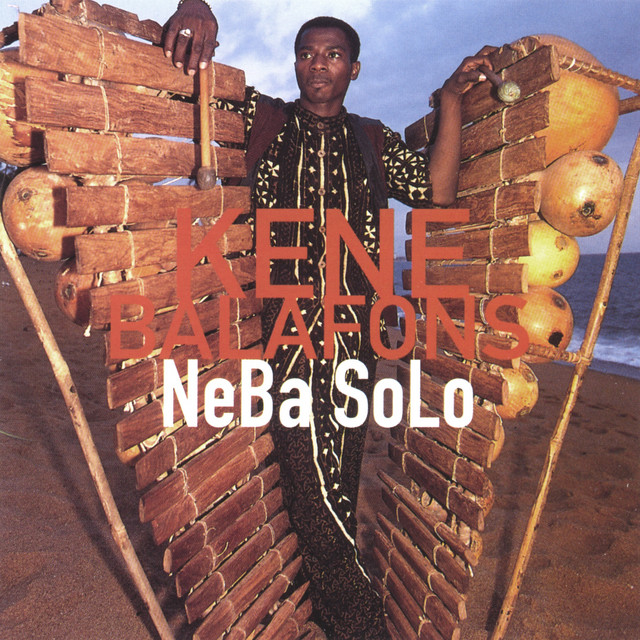
At the core of Malian sound is the jeli, or griot tradition—the centuries-old role of praise singers, historians, and improvising poets. Griots carry histories in memory, teach genealogies, and keep social power balanced through cunning, praise, and critique. This oral heritage sustains a vibrant musical ecosystem where the ngoni, kora, balafon, and djembe are not mere instruments but vessels of memory and community. Across Bamako, Mopti, Ségou, and the countryside, alerts to new choruses and interwoven polyrhythms pulse through gatherings, markets, and car seats alike.
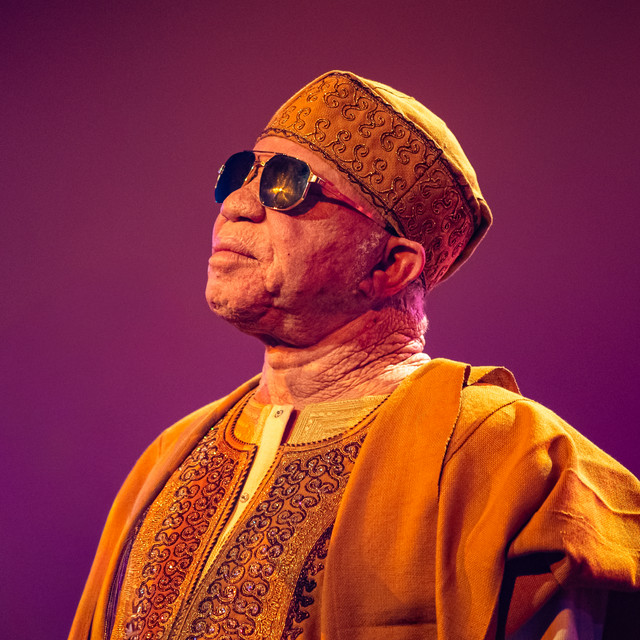
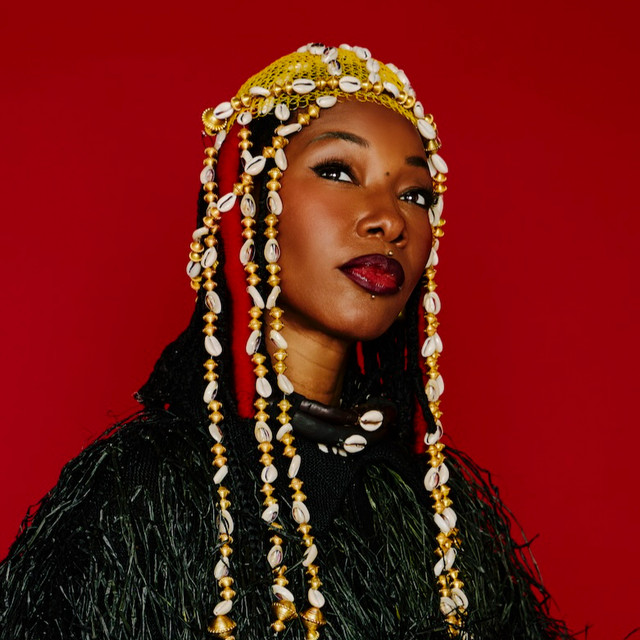
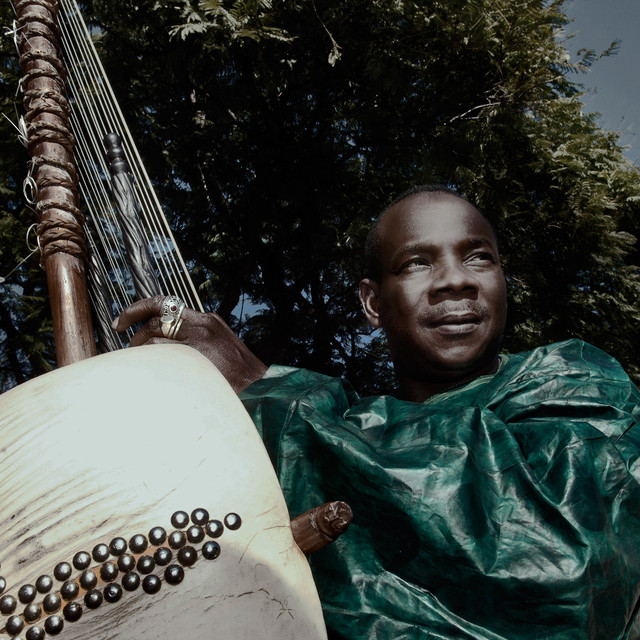
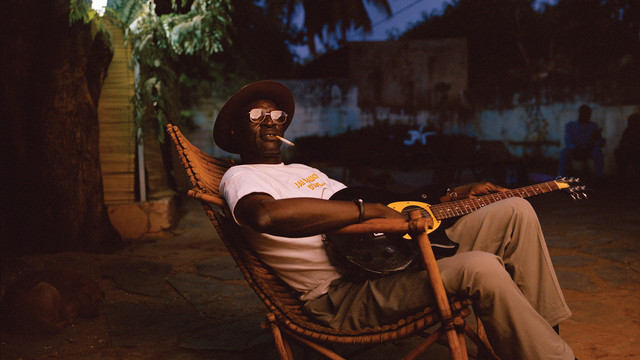
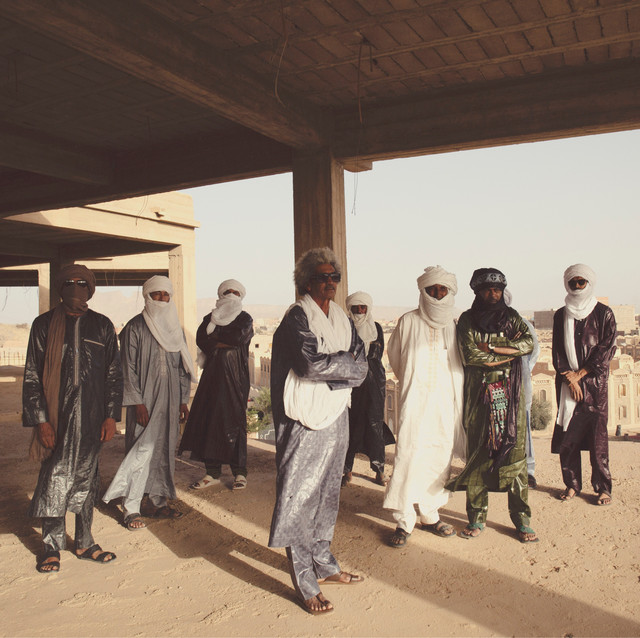
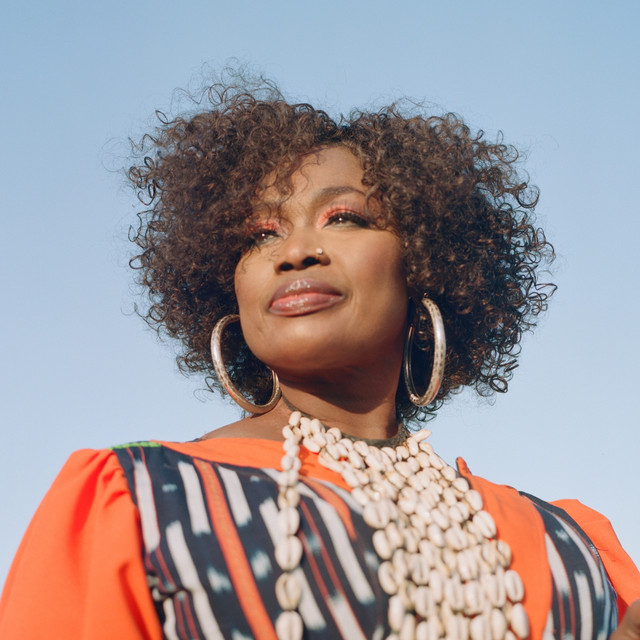
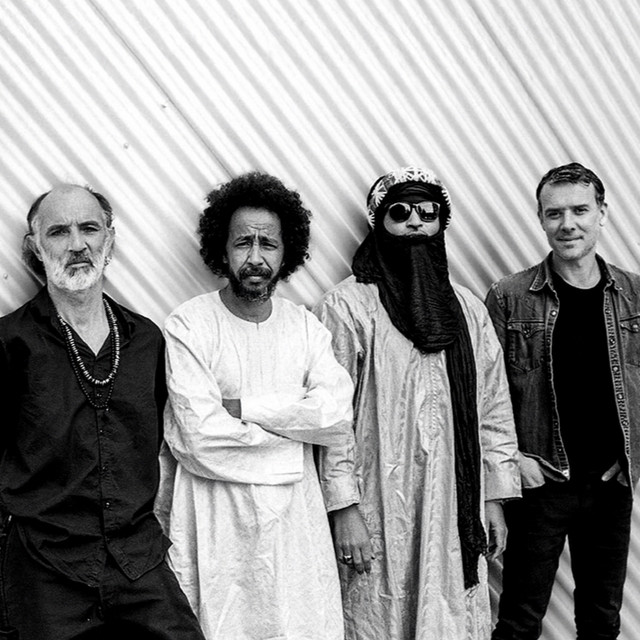
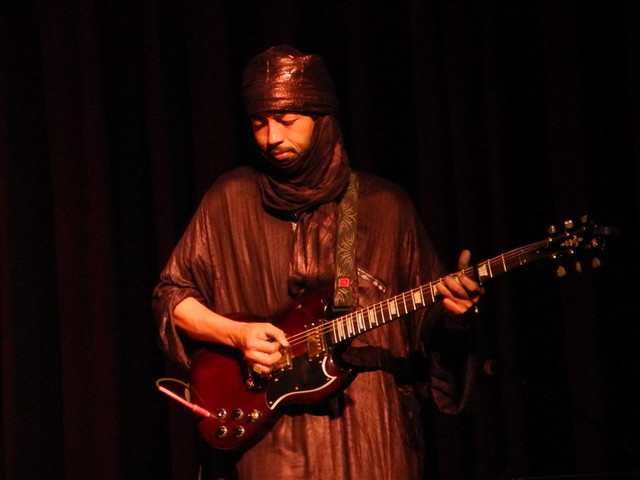
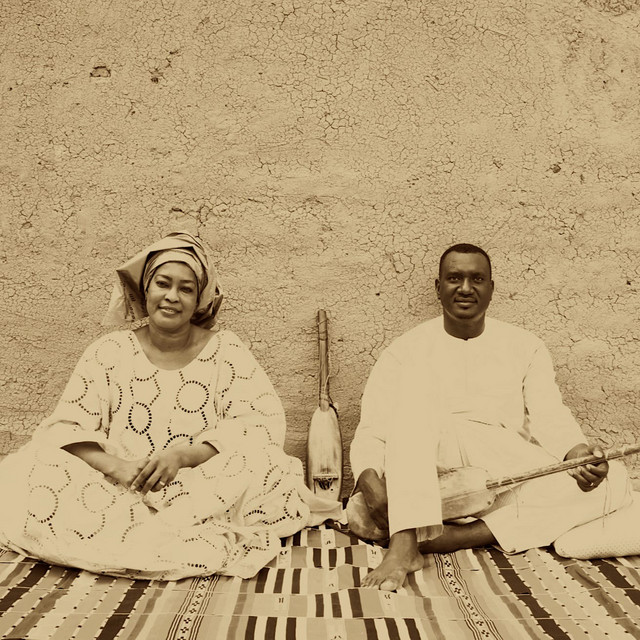
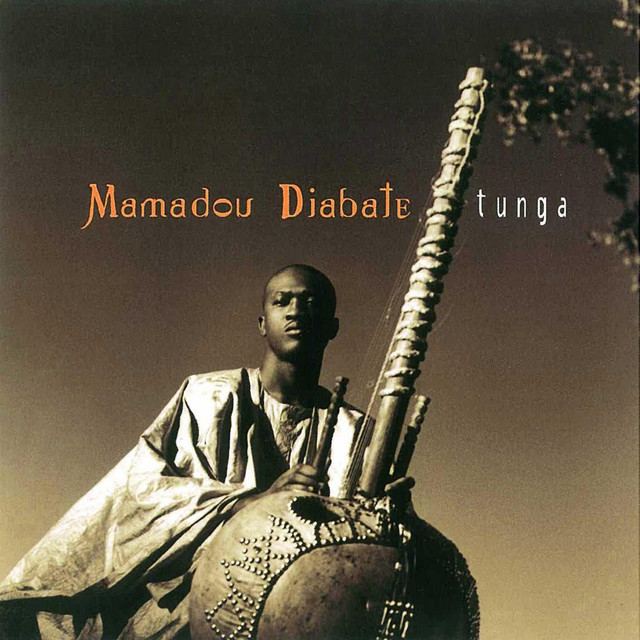
Mali’s artists have become global touchstones for diverse audiences. Ali Farka Touré fused Malian desert blues with traditional acoustics and American blues, crafting a sound that feels both ancestral and modern. His son, Vieux Farka Touré, continues that lineage with looping guitar lines and soulful storytelling. The late Toumani Diabaté mastery on the kora—an instrument whose shimmering strings conjure twilight in Mali’s landscapes—has enchanted listeners worldwide, from world-m music stages to film scores. Salif Keita, the “Golden Voice of Africa,” helped break Malian music into global consciousness with electric warmth and Afro-pop precision. Amadou & Mariam turned a Bamako love story into international pop-soul with radiant collaboration and resilience. Oumou Sangaré, a Wassoulou icon and fierce advocate for women’s rights, has created a powerful, hypnotic groove rooted in the region’s vocal traditions. Tinariwen, though often associated with the Saharan diaspora, emerged from Mali’s deserts to win global acclaim with hypnotic guitar drones and political-poetic lyrics. Fatoumata Diawara’s transparent singing and cinematic storytelling connect Malian roots to contemporary cinema and stages around the world. Ballaké Sissoko and other kora players have expanded the instrument’s language, inviting collaborations with jazz, classical, and innovative world music forms.
Events and venues anchor this vitality. The festival circuit in Mali pulses with the Festival sur le Niger in Segou, a river-city celebration that brings together urban bands, traditional ensembles, and visiting musicians. The country’s capital, Bamako, hosts intimate clubs, studios, and the National Theatre where both storied masters and rising stars share stages. These spaces nurture cross-cultural experiments, from large-scale collaborations to spontaneous jam sessions, helping Malian music continually reinvent itself.
Mali’s influence on the music world goes beyond catchy rhythms; it embodies a philosophy of storytelling, improvisation, and resilience that has shaped modern world music. Its traditions—whether desert blues, Wassoulou vocal lines, or jeli storytelling—continue to inspire artists across continents, inviting listeners to hear a history that reverberates with every striking beat and rising melody.
At the core of Malian sound is the jeli, or griot tradition—the centuries-old role of praise singers, historians, and improvising poets. Griots carry histories in memory, teach genealogies, and keep social power balanced through cunning, praise, and critique. This oral heritage sustains a vibrant musical ecosystem where the ngoni, kora, balafon, and djembe are not mere instruments but vessels of memory and community. Across Bamako, Mopti, Ségou, and the countryside, alerts to new choruses and interwoven polyrhythms pulse through gatherings, markets, and car seats alike.
Mali’s artists have become global touchstones for diverse audiences. Ali Farka Touré fused Malian desert blues with traditional acoustics and American blues, crafting a sound that feels both ancestral and modern. His son, Vieux Farka Touré, continues that lineage with looping guitar lines and soulful storytelling. The late Toumani Diabaté mastery on the kora—an instrument whose shimmering strings conjure twilight in Mali’s landscapes—has enchanted listeners worldwide, from world-m music stages to film scores. Salif Keita, the “Golden Voice of Africa,” helped break Malian music into global consciousness with electric warmth and Afro-pop precision. Amadou & Mariam turned a Bamako love story into international pop-soul with radiant collaboration and resilience. Oumou Sangaré, a Wassoulou icon and fierce advocate for women’s rights, has created a powerful, hypnotic groove rooted in the region’s vocal traditions. Tinariwen, though often associated with the Saharan diaspora, emerged from Mali’s deserts to win global acclaim with hypnotic guitar drones and political-poetic lyrics. Fatoumata Diawara’s transparent singing and cinematic storytelling connect Malian roots to contemporary cinema and stages around the world. Ballaké Sissoko and other kora players have expanded the instrument’s language, inviting collaborations with jazz, classical, and innovative world music forms.
Events and venues anchor this vitality. The festival circuit in Mali pulses with the Festival sur le Niger in Segou, a river-city celebration that brings together urban bands, traditional ensembles, and visiting musicians. The country’s capital, Bamako, hosts intimate clubs, studios, and the National Theatre where both storied masters and rising stars share stages. These spaces nurture cross-cultural experiments, from large-scale collaborations to spontaneous jam sessions, helping Malian music continually reinvent itself.
Mali’s influence on the music world goes beyond catchy rhythms; it embodies a philosophy of storytelling, improvisation, and resilience that has shaped modern world music. Its traditions—whether desert blues, Wassoulou vocal lines, or jeli storytelling—continue to inspire artists across continents, inviting listeners to hear a history that reverberates with every striking beat and rising melody.