Country
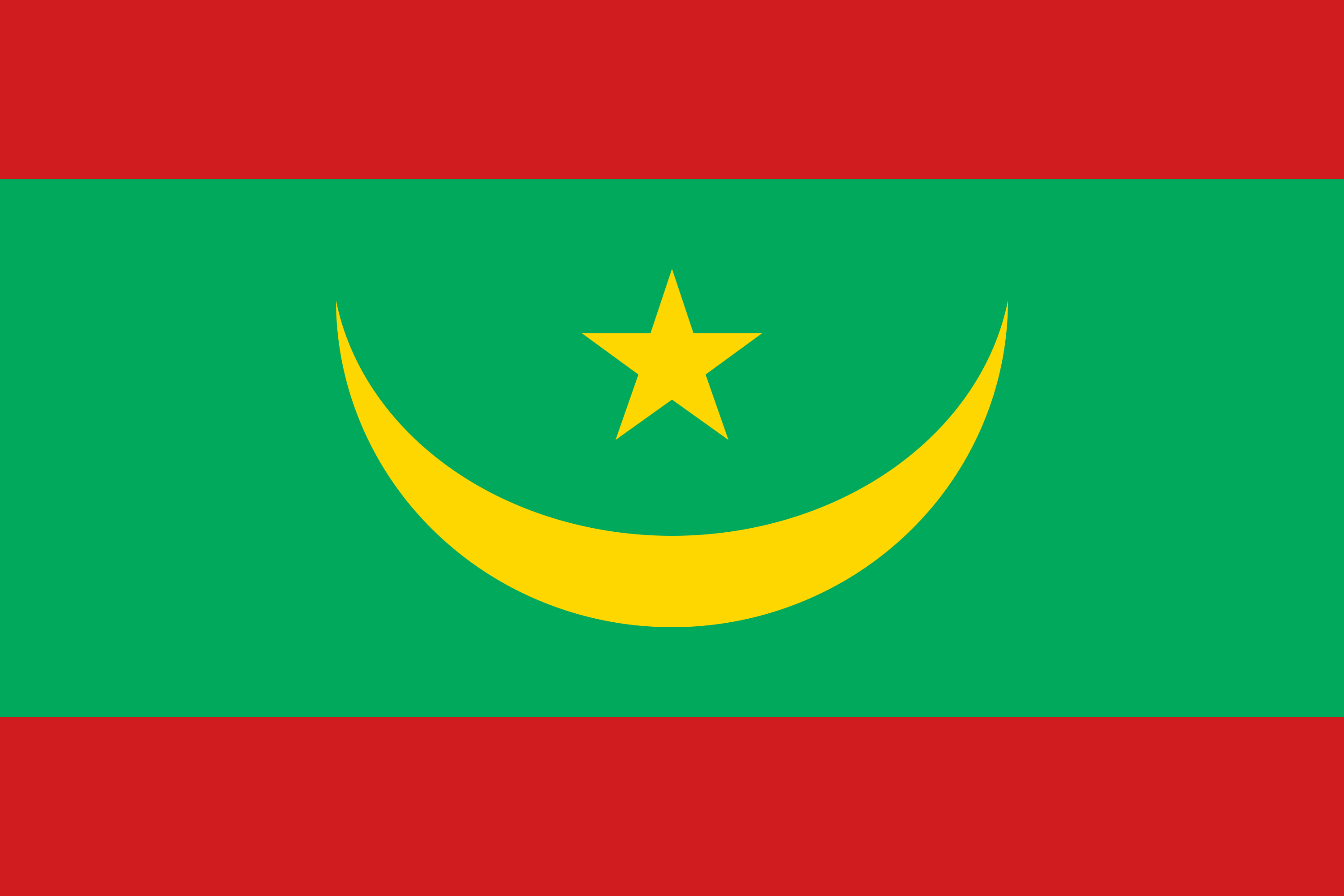
Mauritania
Top Artists from Mauritania
About Mauritania
Mauritania sits along the western edge of the Sahara, where desert horizons meet the Atlantic coast. Its mood and its music reflect a country of storytellers and caravan routes, of towns and nomadic camps. Home to roughly five million people, Mauritania's soundtracks weave the rhythms of the desert, the cadences of Arabic and Berber languages, and the pull of West Africa’s griot traditions. For music enthusiasts, Mauritania offers a living classroom in how tradition and modernity dance together.
Central to Mauritanian music is the griot tradition, known locally as jeli or bidan. Masters and their apprentices pass songs, histories, and praise-poems from one generation to the next, often in call-and-response forms that spark club-like energy in both intimate venues and festival stages. The signature instrument is the gimbri, a three-stringed bass lute whose deep, hypnotic tones provide the bedrock for many pieces. Percussion—tbal drums, hand claps, and rolling rhythms—follows or drives the tempo, while vocalists ride the melodies with a range from declamatory storytelling to supple, shivering ornamentation. In Mauritania, the result is music that can feel both meditative and ecstatic, intimate and expansive.
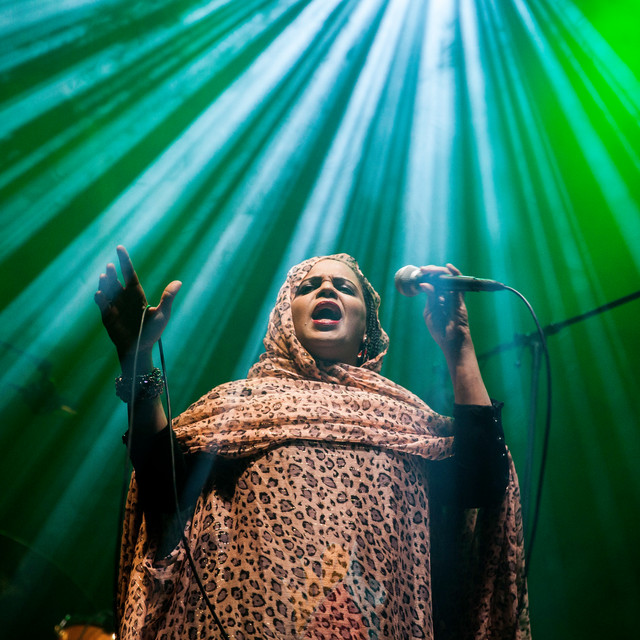
Two artists who have become international ambassadors for Mauritanian sound are Malouma and Noura Mint Seymali. Malouma Mint El Meid (Malouma) rose as a bold, boundary-pusting voice in the late 20th century, pairing traditional songs with modern grooves and socially conscious lyrics. Her work helped bring Mauritanian music into global listening rooms and opened doors for other singers from the country. Noura Mint Seymali, a younger luminary, channels the griot lineage through a striking band setup that blends electric guitar, the sacred gimbri, and trance-like harmonies. Her concerts—often in dramatic, horn-laden arrangements—have turned Mauritania into a live-sound reference for desert-rock-infused world music. Collaborations across borders have broadened the reach of this sound. Earlier generations, including Dimi Mint Abba, also left a lasting imprint with lush, melodic songs that carried Mauritania’s language, poetry, and spirit far beyond the Atlantic shores.
Live music in Mauritania happens in intimate spaces in Nouakchott, Nouadhibou, and regional towns. Cultural centers, festivals, informal nights, and wedding celebrations all serve as proving grounds where tradition meets experimentation. In recent years, Mauritanian artists have begun collaborating with musicians from the wider Sahel and beyond, exchanging ideas that fuse electronic textures with ancient modes, creating a modern Mauritanian sound that feels both rooted and adventurous. For music lovers, the country’s soundscape invites close listening, slow-drawn desert mood, and a sense of discovery—an invitation to meet a proud musical nation at the crossroads of history and horizon.
Beyond these front-runners, a new generation of Mauritanian artists is exploring hybrid forms—folk songs with electronic beats, jazzy improvisations over Moorish scales, and collaborations with artists from Senegal, Morocco, and the Sahel. The Mauritanian diaspora in Europe and North Africa has helped bring this music to clubs and festivals worldwide, while local radio and streaming platforms begin to capture the nuance of gimbri, call-and-response vocals, and desert-poise. For listeners, Mauritania offers a moving map of the desert’s sound today.
Central to Mauritanian music is the griot tradition, known locally as jeli or bidan. Masters and their apprentices pass songs, histories, and praise-poems from one generation to the next, often in call-and-response forms that spark club-like energy in both intimate venues and festival stages. The signature instrument is the gimbri, a three-stringed bass lute whose deep, hypnotic tones provide the bedrock for many pieces. Percussion—tbal drums, hand claps, and rolling rhythms—follows or drives the tempo, while vocalists ride the melodies with a range from declamatory storytelling to supple, shivering ornamentation. In Mauritania, the result is music that can feel both meditative and ecstatic, intimate and expansive.
Two artists who have become international ambassadors for Mauritanian sound are Malouma and Noura Mint Seymali. Malouma Mint El Meid (Malouma) rose as a bold, boundary-pusting voice in the late 20th century, pairing traditional songs with modern grooves and socially conscious lyrics. Her work helped bring Mauritanian music into global listening rooms and opened doors for other singers from the country. Noura Mint Seymali, a younger luminary, channels the griot lineage through a striking band setup that blends electric guitar, the sacred gimbri, and trance-like harmonies. Her concerts—often in dramatic, horn-laden arrangements—have turned Mauritania into a live-sound reference for desert-rock-infused world music. Collaborations across borders have broadened the reach of this sound. Earlier generations, including Dimi Mint Abba, also left a lasting imprint with lush, melodic songs that carried Mauritania’s language, poetry, and spirit far beyond the Atlantic shores.
Live music in Mauritania happens in intimate spaces in Nouakchott, Nouadhibou, and regional towns. Cultural centers, festivals, informal nights, and wedding celebrations all serve as proving grounds where tradition meets experimentation. In recent years, Mauritanian artists have begun collaborating with musicians from the wider Sahel and beyond, exchanging ideas that fuse electronic textures with ancient modes, creating a modern Mauritanian sound that feels both rooted and adventurous. For music lovers, the country’s soundscape invites close listening, slow-drawn desert mood, and a sense of discovery—an invitation to meet a proud musical nation at the crossroads of history and horizon.
Beyond these front-runners, a new generation of Mauritanian artists is exploring hybrid forms—folk songs with electronic beats, jazzy improvisations over Moorish scales, and collaborations with artists from Senegal, Morocco, and the Sahel. The Mauritanian diaspora in Europe and North Africa has helped bring this music to clubs and festivals worldwide, while local radio and streaming platforms begin to capture the nuance of gimbri, call-and-response vocals, and desert-poise. For listeners, Mauritania offers a moving map of the desert’s sound today.