Country
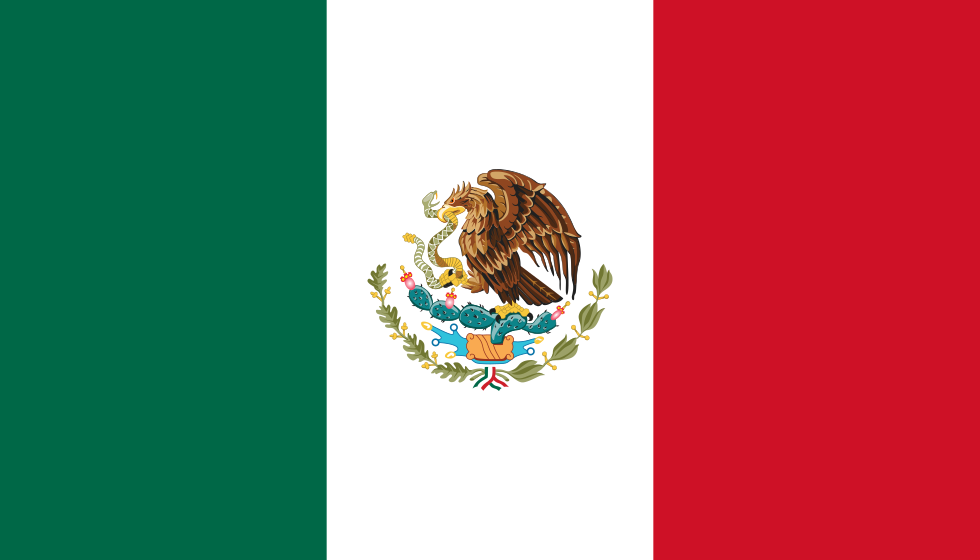
Mexico
Top Artists from Mexico
Showing 25 of 1,806 artists









About Mexico
Mexico is a country whose soundtracks map its vast landscapes, from arid deserts to lush coastlines. Home to about 126 million people, it is a nation where music lives in markets, churches, street corners, and glittering stages alike. The musical tapestry is varied: traditional folk forms, enduring ranchera and mariachi, norteño and banda, rock, pop, and cutting-edge electronic scenes all sharing a single, restless vitality.
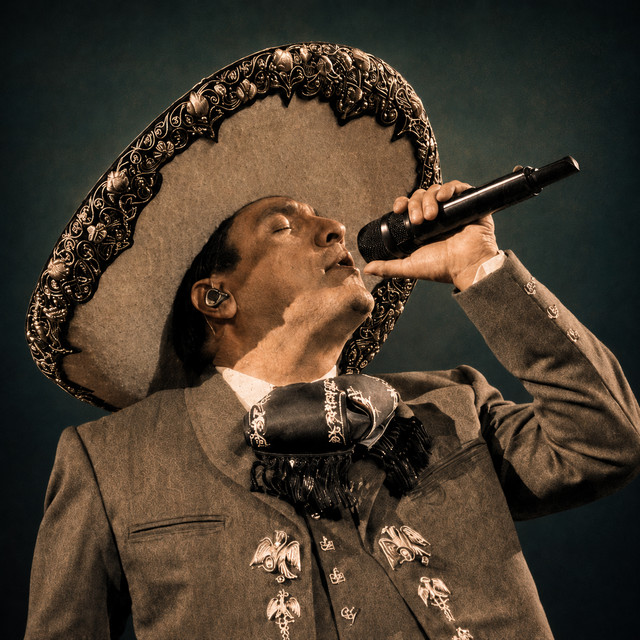
Traditional roots run deep. Mariachi bands, with violins, guitarrón and vihuela, emerged in Jalisco and became a universal symbol of Mexican identity. The UNESCO-recognized mariachi tradition has carried Mexico’s pride around the world, while son jarocho from Veracruz and ranchera styles have nourished a broader folk-urban dialogue. In concert halls and open plazas alike, these sounds fuse with modern sensibilities, producing a living bridge between past and present.
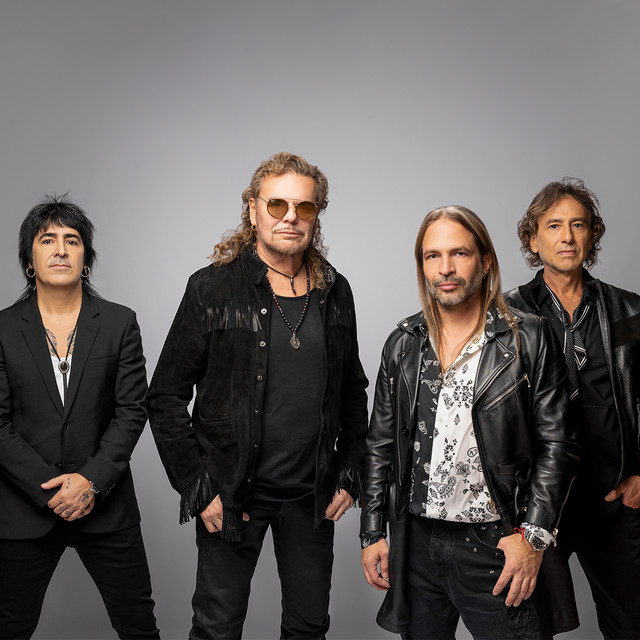
Mexico’s artists have left an indelible mark on global music. Icons like Vicente Fernández redefined ranchera storytelling, while Luis Miguel’s romantic ballads and Julio Iglesias-style pop brought Mexican vocal polish to international audiences. In the rock and alternative scenes, Caifanes, Café Tacvba, and Maná helped redefine Latin American rock—thinking beyond borders, blending traditional motifs with electric guitars. Contemporary voices such as Julieta Venegas and Natalia Lafourcade have earned international acclaim for their songwriting and inventive arrangements, while Carlos Santana’s early guitar work in the United States helped telescope Mexican musical energy into a worldwide language. The country is also home to influential regional acts—Los Tigres del Norte and other norteño and banda ensembles—that brought a modern multicultural sound to nightlife and radio alike. The hip-hop and urban scene has grown robustly too, with groups and solo artists that weave social narratives into tight, danceable tracks.
Key venues and events pulse with the country’s musical life. Mexico City hosts the grand Auditorio Nacional and the historic Palacio de Bellas Artes, where symphonic, operatic, and folk programs mingle with contemporary shows. The legendary Foro Sol and the massive Estadio Azteca bring international stars and large-audience spectacles to life. Festivals draw global attention: the Festival Internacional Cervantino in Guanajuato showcases world music, theater and dance; Vive Latino in Mexico City stands as one of Latin America’s premier rock and alternative gatherings; and the Corona Capital festival brings contemporary rock and pop to large urban stages. These stages are not just entertainment; they’re cultural laboratories where Mexican ingenuity meets global trends.
The influence extends beyond borders. Mexican music has helped shape Latin-pop aesthetics, film music, and cross-cultural collaborations that spark new genres and audiences. If you listen closely, you’ll hear the country’s heartbeat in everything from mariachi-influenced ballads to club-ready grooves, proof that Mexico remains one of the world’s most dynamic engines of sound.
Traditional roots run deep. Mariachi bands, with violins, guitarrón and vihuela, emerged in Jalisco and became a universal symbol of Mexican identity. The UNESCO-recognized mariachi tradition has carried Mexico’s pride around the world, while son jarocho from Veracruz and ranchera styles have nourished a broader folk-urban dialogue. In concert halls and open plazas alike, these sounds fuse with modern sensibilities, producing a living bridge between past and present.
Mexico’s artists have left an indelible mark on global music. Icons like Vicente Fernández redefined ranchera storytelling, while Luis Miguel’s romantic ballads and Julio Iglesias-style pop brought Mexican vocal polish to international audiences. In the rock and alternative scenes, Caifanes, Café Tacvba, and Maná helped redefine Latin American rock—thinking beyond borders, blending traditional motifs with electric guitars. Contemporary voices such as Julieta Venegas and Natalia Lafourcade have earned international acclaim for their songwriting and inventive arrangements, while Carlos Santana’s early guitar work in the United States helped telescope Mexican musical energy into a worldwide language. The country is also home to influential regional acts—Los Tigres del Norte and other norteño and banda ensembles—that brought a modern multicultural sound to nightlife and radio alike. The hip-hop and urban scene has grown robustly too, with groups and solo artists that weave social narratives into tight, danceable tracks.
Key venues and events pulse with the country’s musical life. Mexico City hosts the grand Auditorio Nacional and the historic Palacio de Bellas Artes, where symphonic, operatic, and folk programs mingle with contemporary shows. The legendary Foro Sol and the massive Estadio Azteca bring international stars and large-audience spectacles to life. Festivals draw global attention: the Festival Internacional Cervantino in Guanajuato showcases world music, theater and dance; Vive Latino in Mexico City stands as one of Latin America’s premier rock and alternative gatherings; and the Corona Capital festival brings contemporary rock and pop to large urban stages. These stages are not just entertainment; they’re cultural laboratories where Mexican ingenuity meets global trends.
The influence extends beyond borders. Mexican music has helped shape Latin-pop aesthetics, film music, and cross-cultural collaborations that spark new genres and audiences. If you listen closely, you’ll hear the country’s heartbeat in everything from mariachi-influenced ballads to club-ready grooves, proof that Mexico remains one of the world’s most dynamic engines of sound.