Country
Moldova
Top Artists from Moldova
Showing 25 of 49 artists









About Moldova
Nestled between Romania and Ukraine, Moldova is a small country of about 2.6 million people whose musical life punches well beyond its size. The landscape of sound here ranges from the whisper of ancient folk melodies to the punch of contemporary pop and electronic scenes. In the capital, Chișinău, a tight network of venues, studios, and independent labels keeps the pulse steady, while rural villages preserve living traditions, where doina-like laments and festive dances still animate celebrations. The country’s distinctive blend of East European textures and Romanian-language warmth invites listeners to trace how tradition and modernity trade riffs across generations.
Traditional Moldovan music features polyphonic singing, fiddles, pan flutes (nai), and bold choral repertoires. Village choirs and liturgical tunes carry modal colors that rural ensembles carry into town festivals and city stages. Urban musicians sample and remix these sounds into contemporary forms—folk-rock, electro-acoustic fusions, and pop—creating a cross-cultural dialogue with neighbors in Romania, Ukraine, and beyond. The result is a repertoire that feels intimate yet expansive, a sound map of a country at a cultural crossroads and eager to experiment.
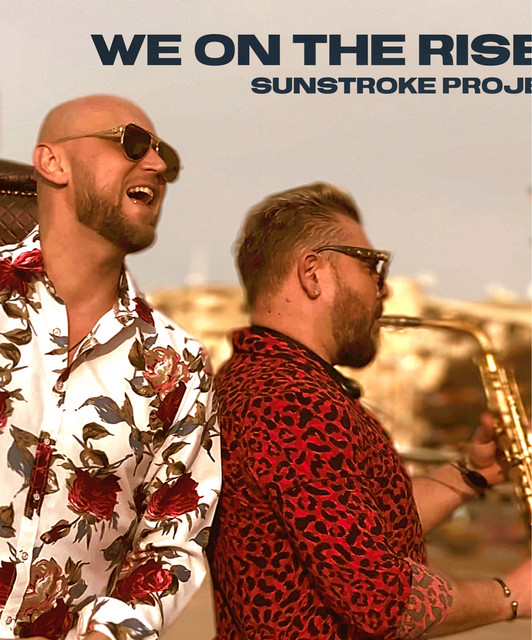
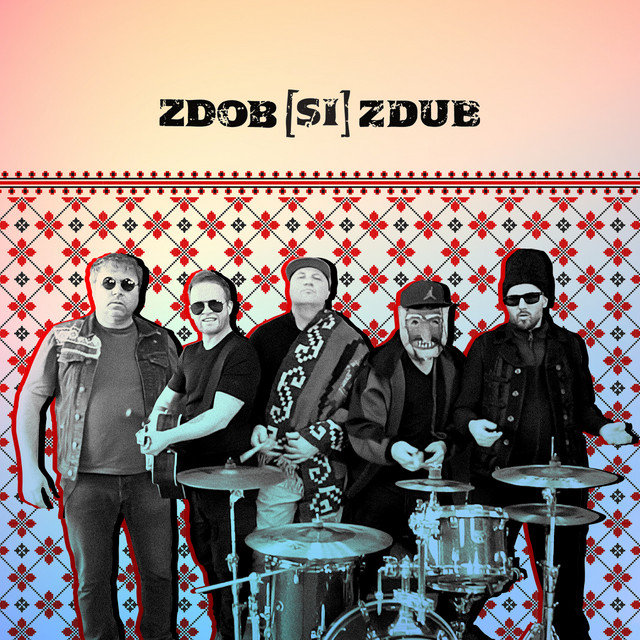
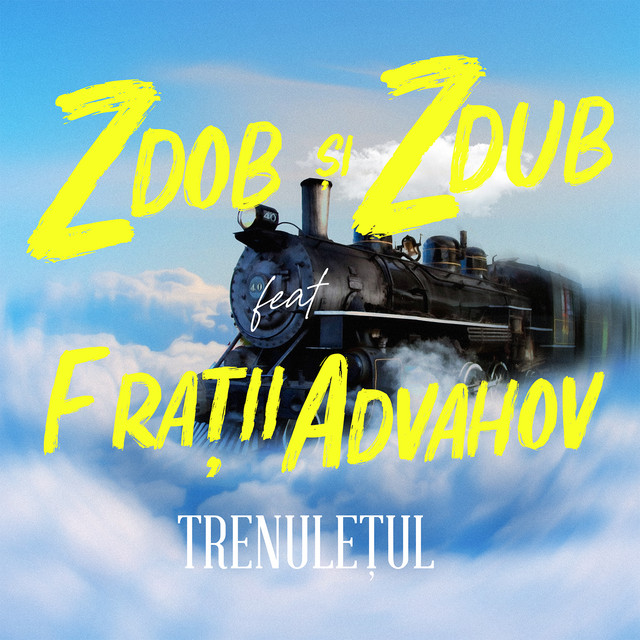
On the international scene, Moldova has produced a handful of widely recognized artists. Zdob și Zdub, formed in 1994, became one of the country’s best-known exports, blending folk motifs with rock, rap, and carnival energy. They represented Moldova at Eurovision in 2005, electrifying stages with their infectious vitality. SunStroke Project rose to global attention with Run Away in 2010—the “Epic Sax Guy” clip turning Moldovan pop into a meme and a fixture of the Eurovision orbit. Pop veterans Natalia Gordienko and Lidia Isac have carried Moldova’s voice to European stages as well, showcasing vocal polish and a flair for contemporary dance-pop.
Key venues anchor Moldova’s music life in Chișinău. The Maria Bieșu National Opera and Ballet Theatre stages grand operas and ballets, while the Moldova National Philharmonic Hall hosts orchestral and chamber concerts that connect local ensembles with visiting guests. Historic public spaces, such as the Palace of the Republic, host summer concerts and large-scale open-air performances that bring together residents and visitors alike. Across the country, independent clubs and cultural centers nurture indie, electronic, and alternative scenes, keeping live music a daily conversation rather than a weekend event.
Politically and socially, Moldova’s music has thrived on cross-cultural exchange. Its folk-inspired motifs mingle with Balkan, Romanian, and broader European influences, and the country’s growing network of creative enclaves—studios, collectives, and festivals—foster collaborations with artists from neighboring regions and the diaspora. The Eurovision footprint helped push Moldovan sound onto international stages, while the rich folk heritage continues to inform fresh arrangements and youthful experimentation. For music enthusiasts, Moldova offers a compact, generous itinerary: history echoed in the doina, present in pulse-raising live shows, and futures unfolding in collaborations that traverse borders. For visitors, Moldova’s wines and rural hospitality accompany the music, turning concerts into immersive cultural experiences that linger after the final chorus. In Moldova, every performance invites you to listen for memory and invention coexisting on one stage at once.
Traditional Moldovan music features polyphonic singing, fiddles, pan flutes (nai), and bold choral repertoires. Village choirs and liturgical tunes carry modal colors that rural ensembles carry into town festivals and city stages. Urban musicians sample and remix these sounds into contemporary forms—folk-rock, electro-acoustic fusions, and pop—creating a cross-cultural dialogue with neighbors in Romania, Ukraine, and beyond. The result is a repertoire that feels intimate yet expansive, a sound map of a country at a cultural crossroads and eager to experiment.
On the international scene, Moldova has produced a handful of widely recognized artists. Zdob și Zdub, formed in 1994, became one of the country’s best-known exports, blending folk motifs with rock, rap, and carnival energy. They represented Moldova at Eurovision in 2005, electrifying stages with their infectious vitality. SunStroke Project rose to global attention with Run Away in 2010—the “Epic Sax Guy” clip turning Moldovan pop into a meme and a fixture of the Eurovision orbit. Pop veterans Natalia Gordienko and Lidia Isac have carried Moldova’s voice to European stages as well, showcasing vocal polish and a flair for contemporary dance-pop.
Key venues anchor Moldova’s music life in Chișinău. The Maria Bieșu National Opera and Ballet Theatre stages grand operas and ballets, while the Moldova National Philharmonic Hall hosts orchestral and chamber concerts that connect local ensembles with visiting guests. Historic public spaces, such as the Palace of the Republic, host summer concerts and large-scale open-air performances that bring together residents and visitors alike. Across the country, independent clubs and cultural centers nurture indie, electronic, and alternative scenes, keeping live music a daily conversation rather than a weekend event.
Politically and socially, Moldova’s music has thrived on cross-cultural exchange. Its folk-inspired motifs mingle with Balkan, Romanian, and broader European influences, and the country’s growing network of creative enclaves—studios, collectives, and festivals—foster collaborations with artists from neighboring regions and the diaspora. The Eurovision footprint helped push Moldovan sound onto international stages, while the rich folk heritage continues to inform fresh arrangements and youthful experimentation. For music enthusiasts, Moldova offers a compact, generous itinerary: history echoed in the doina, present in pulse-raising live shows, and futures unfolding in collaborations that traverse borders. For visitors, Moldova’s wines and rural hospitality accompany the music, turning concerts into immersive cultural experiences that linger after the final chorus. In Moldova, every performance invites you to listen for memory and invention coexisting on one stage at once.