Country
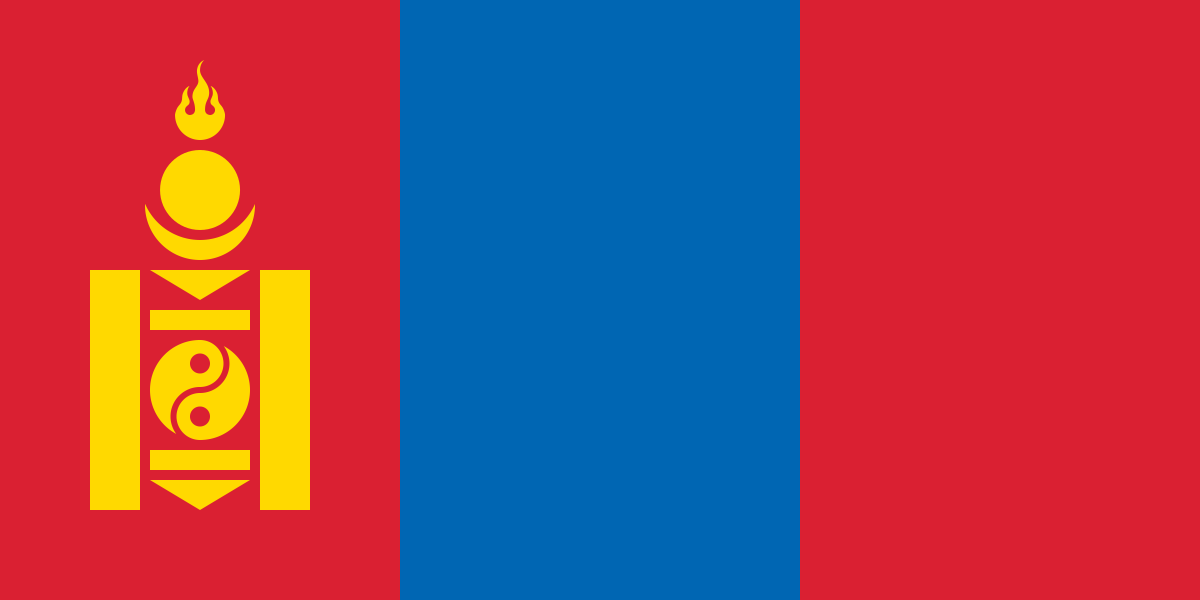
Mongolia
Top Artists from Mongolia
Showing 13 of 13 artists






About Mongolia
Mongolia is a vast land of wide skies and endless steppes, and its music feels as boundless as its landscape. Home to about 3.3 million people, the country has a living sonic culture that fuses ancient shamanic resonances with contemporary daring. For music enthusiasts, Mongolia offers a rare blend: traditional forms that have endured for centuries, and a modern scene that travels far beyond the steppes.
Traditional sounds run deep in Mongolian identity. The throat singing known as khoomei, with its remarkable overtone tricks, invites listeners into a primal, windy echo that seems to come from the horse pastures and monasteries of old. The morin khuur, the horsehead fiddle with its carved neck and horsehair bow, is not just an instrument but a symbol of the nomadic ethos. Urtiin duu, or long song, is a refined vocal art that stretches syllables into space, telling stories of rivers, mountains, and the people who inhabit them. This heritage is not museum-piece; it lives in weddings, monasteries, countryside performances, and even in urban concert halls where elders pass on techniques to younger players.
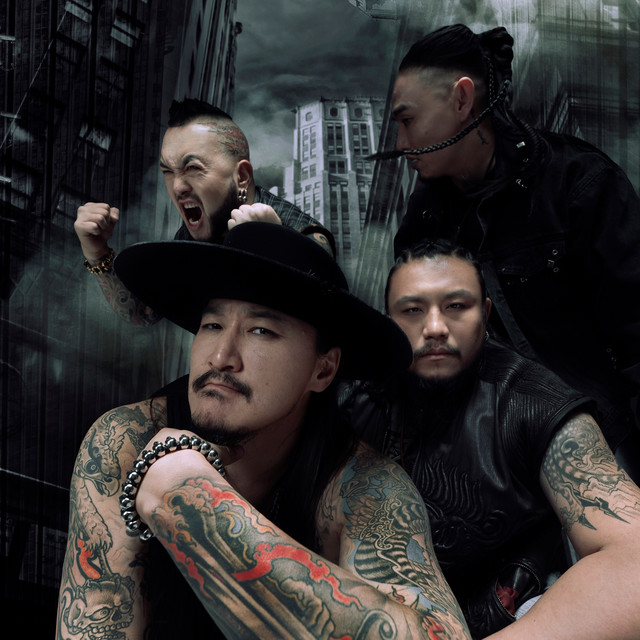
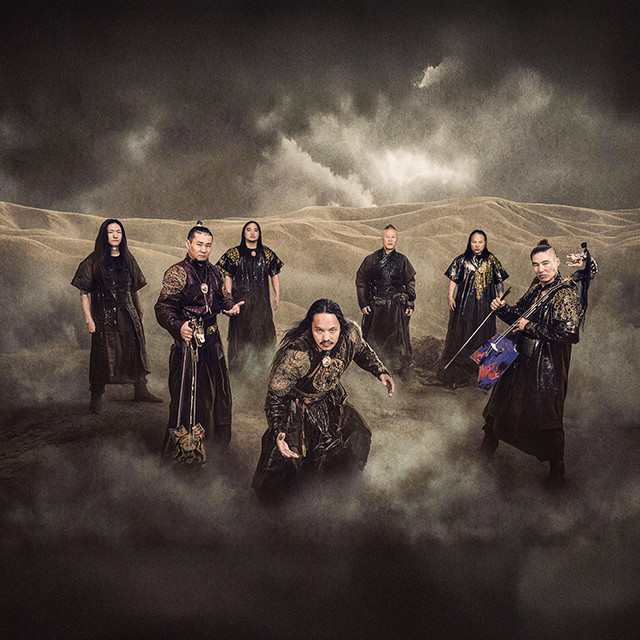
On the contemporary side, Mongolia’s rising bands have made a substantial mark worldwide. The HU, a Ulaanbaatar-based rock outfit that rose to global attention in the late 2010s, blends heavy guitars with morin khuur and throat-singing textures. Their anthemic tracks like Wolf Totem and Yuve Yuve Yu brought Mongolian timbres into international metal and rock conversations, showing how ancient vocal colors and battlefield-like drums can coexist with modern production. Altan Urag roots its sound in folk-rock, drawing on epic lyrics and traditional instrumentation to craft songs that feel like weather shifting across a steppes-wide horizon. Then there’s Khusugtun, whose instrumental and vocal work elevates throat singing and the morin khuur to concert-stage transparency, earning audiences around the world while staying deeply Mongolian in mood and moodiness.
Mongolian music also thrives in festivals, venues, and communities that celebrate both heritage and experimentation. The Naadam Festival, Mongolia’s iconic summer celebration, features traditional music, throat singing demonstrations, and performances beside the famous horse races and wrestling—an immersive portal into Mongolian sound carried across the hills and valleys. In Ulaanbaatar, major venues such as the National Opera and Ballet Theatre and the Mongolian State Philharmonic Hall host everything from classical repertoire to contemporary folk-inflected projects, while smaller clubs, cultural centers, and participatory stages support a thriving indie scene. The city’s jazz scene has grown with events like the Ulaanbaatar Jazz Festival, which brings international guests and local improvisers into intimate rooms and large halls alike, creating a bridge between Mongolian timbres and global genres.
For a music enthusiast, Mongolia offers a living classroom and a listening experience that spans the ceremonial and the club-ready. Its instruments—morin khuur, topshuur, and the resonant overtone music of khoomei—provide a sonic vocabulary that can inform metal, indie, folk, and world-music collaborations. The country’s people carry a long-running tradition of storytelling through sound, while its current artists push into new territories, proving that the steppe’s echo still travels far—across stages, across borders, and across the headphones of listeners worldwide.
Traditional sounds run deep in Mongolian identity. The throat singing known as khoomei, with its remarkable overtone tricks, invites listeners into a primal, windy echo that seems to come from the horse pastures and monasteries of old. The morin khuur, the horsehead fiddle with its carved neck and horsehair bow, is not just an instrument but a symbol of the nomadic ethos. Urtiin duu, or long song, is a refined vocal art that stretches syllables into space, telling stories of rivers, mountains, and the people who inhabit them. This heritage is not museum-piece; it lives in weddings, monasteries, countryside performances, and even in urban concert halls where elders pass on techniques to younger players.
On the contemporary side, Mongolia’s rising bands have made a substantial mark worldwide. The HU, a Ulaanbaatar-based rock outfit that rose to global attention in the late 2010s, blends heavy guitars with morin khuur and throat-singing textures. Their anthemic tracks like Wolf Totem and Yuve Yuve Yu brought Mongolian timbres into international metal and rock conversations, showing how ancient vocal colors and battlefield-like drums can coexist with modern production. Altan Urag roots its sound in folk-rock, drawing on epic lyrics and traditional instrumentation to craft songs that feel like weather shifting across a steppes-wide horizon. Then there’s Khusugtun, whose instrumental and vocal work elevates throat singing and the morin khuur to concert-stage transparency, earning audiences around the world while staying deeply Mongolian in mood and moodiness.
Mongolian music also thrives in festivals, venues, and communities that celebrate both heritage and experimentation. The Naadam Festival, Mongolia’s iconic summer celebration, features traditional music, throat singing demonstrations, and performances beside the famous horse races and wrestling—an immersive portal into Mongolian sound carried across the hills and valleys. In Ulaanbaatar, major venues such as the National Opera and Ballet Theatre and the Mongolian State Philharmonic Hall host everything from classical repertoire to contemporary folk-inflected projects, while smaller clubs, cultural centers, and participatory stages support a thriving indie scene. The city’s jazz scene has grown with events like the Ulaanbaatar Jazz Festival, which brings international guests and local improvisers into intimate rooms and large halls alike, creating a bridge between Mongolian timbres and global genres.
For a music enthusiast, Mongolia offers a living classroom and a listening experience that spans the ceremonial and the club-ready. Its instruments—morin khuur, topshuur, and the resonant overtone music of khoomei—provide a sonic vocabulary that can inform metal, indie, folk, and world-music collaborations. The country’s people carry a long-running tradition of storytelling through sound, while its current artists push into new territories, proving that the steppe’s echo still travels far—across stages, across borders, and across the headphones of listeners worldwide.