Country
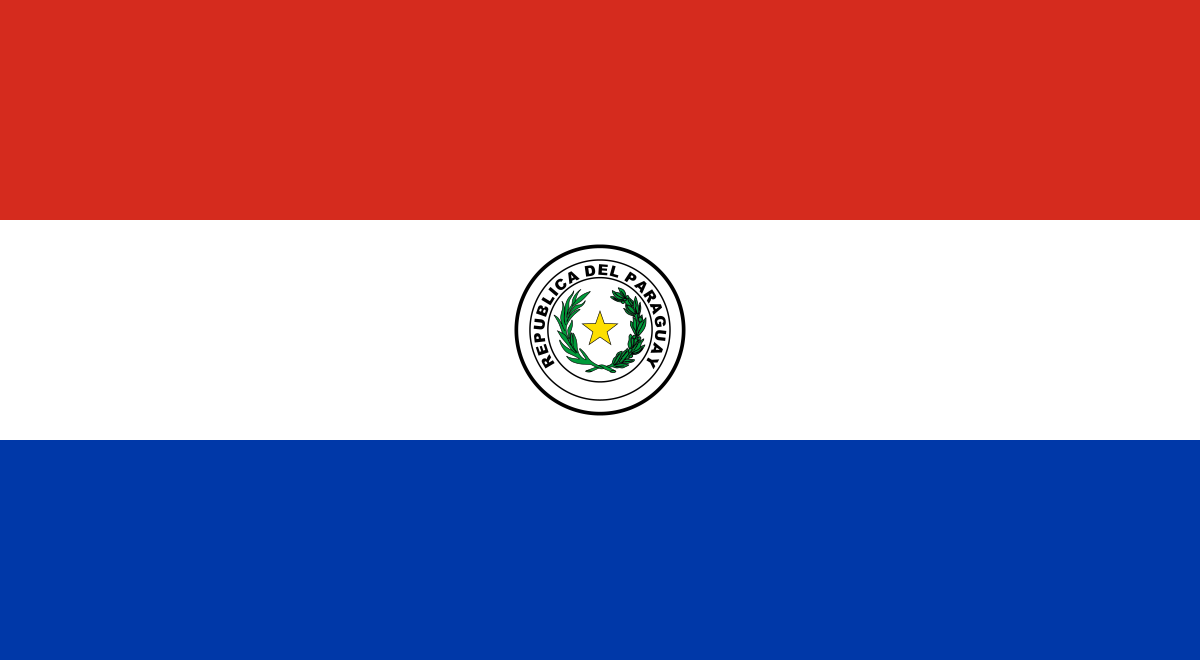
Paraguay
Top Artists from Paraguay
Showing 23 of 23 artists








About Paraguay
Paraguay sits in the heart of South America, a landlocked crossroads where rivers double as highways and Guaraní threads run through everyday life. For music lovers, the country offers a uniquely Paraguayan soundscape built on two enduring pillars: a melancholic genre called Guaranía and the buoyant, danceable Polka Paraguaya. With a bilingual culture—Guaraní and Spanish spoken side by side—Paraguay has produced music that feels both intimate and communal, rooted in rural memory and urban experimentation.
Guaranía, created in the 1920s by composer José Asunción Flores, reinvented Paraguayan song by weaving Guaraní lyrics with harmonies borrowed from European chanson. Its introspective mood and social resonance gave voice to a generation negotiating change, exile, and longing. The best Guaranía compositions expand beyond sentiment; they have shaped Latin American cinema and stage music, and their influence persists in contemporary singer-songwriters who chase atmospheric, melodic storytelling. Yet the mood of Paraguayan music is not all sighs: the Polka Paraguaya—bright, syncopated, and irresistibly danceable—belongs to festivals, family gatherings, and the open-air stages that dot the countryside.
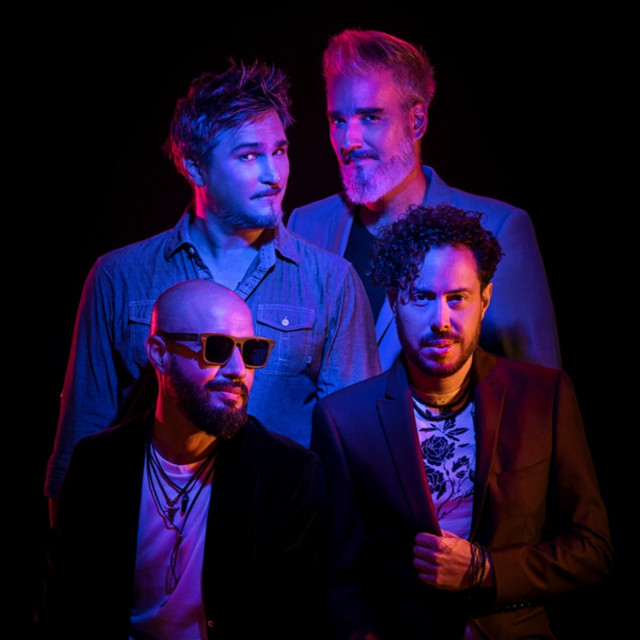
Paraguay has produced a number of artists and ensembles who carry these sounds to audiences far beyond its borders. The late Agustín Barrios Mangoré, a legendary guitarist born in San Benito, is revered worldwide for his intricate, emotionally charged works that fuse classical technique with South American idiom. In the vocal and ensemble tradition, Trío Los Paraguayos became a symbol of national sound in the mid-20th century, touring worldwide and popularizing Paraguayan melodies and harmonies in venues from concert halls to international television. In more recent years, bands like Kchiporros have modernized Paraguay’s sonic footprint by blending rock, pop, and reggae with Guaraní phrases and Paraguayan rhythms, creating a bridge between folk roots and contemporary festivals.
The country’s music scene thrives in its places of culture. The Teatro Municipal in Asunción remains a focal point for concerts and classical performances, while the Manzana de la Rivera cultural precinct hosts concerts, recitals, and shows that celebrate both tradition and experimentation. The nationally cherished arpa paraguaya, the bamboo-like harp that anchors many folk ensembles, remains a staple of performances in cities and towns alike, celebrated in concert halls and in street performances across the capital and beyond.
Paraguay’s population stands at roughly 7 million people, a figure that belies the country’s dense musical life. Its two official languages—Guaraní and Spanish—enable music to travel between community gatherings and international stages, making Paraguay a place where tradition invites innovation and where every rhythm seems to be a conversation between the old and the new.
Guaranía, created in the 1920s by composer José Asunción Flores, reinvented Paraguayan song by weaving Guaraní lyrics with harmonies borrowed from European chanson. Its introspective mood and social resonance gave voice to a generation negotiating change, exile, and longing. The best Guaranía compositions expand beyond sentiment; they have shaped Latin American cinema and stage music, and their influence persists in contemporary singer-songwriters who chase atmospheric, melodic storytelling. Yet the mood of Paraguayan music is not all sighs: the Polka Paraguaya—bright, syncopated, and irresistibly danceable—belongs to festivals, family gatherings, and the open-air stages that dot the countryside.
Paraguay has produced a number of artists and ensembles who carry these sounds to audiences far beyond its borders. The late Agustín Barrios Mangoré, a legendary guitarist born in San Benito, is revered worldwide for his intricate, emotionally charged works that fuse classical technique with South American idiom. In the vocal and ensemble tradition, Trío Los Paraguayos became a symbol of national sound in the mid-20th century, touring worldwide and popularizing Paraguayan melodies and harmonies in venues from concert halls to international television. In more recent years, bands like Kchiporros have modernized Paraguay’s sonic footprint by blending rock, pop, and reggae with Guaraní phrases and Paraguayan rhythms, creating a bridge between folk roots and contemporary festivals.
The country’s music scene thrives in its places of culture. The Teatro Municipal in Asunción remains a focal point for concerts and classical performances, while the Manzana de la Rivera cultural precinct hosts concerts, recitals, and shows that celebrate both tradition and experimentation. The nationally cherished arpa paraguaya, the bamboo-like harp that anchors many folk ensembles, remains a staple of performances in cities and towns alike, celebrated in concert halls and in street performances across the capital and beyond.
Paraguay’s population stands at roughly 7 million people, a figure that belies the country’s dense musical life. Its two official languages—Guaraní and Spanish—enable music to travel between community gatherings and international stages, making Paraguay a place where tradition invites innovation and where every rhythm seems to be a conversation between the old and the new.