
Country
Poland
Top Artists from Poland
Showing 25 of 1,333 artists
















About Poland
Poland, a country in Central Europe, is a tapestry of medieval towns, Baltic coastlines, and soaring mountains. With roughly 38 million people, its cultural life pulses through bustling cities and intimate clubs alike, making it a magnet for music lovers who seek both history and innovation. The landscape itself informs the soundscape: grand concert halls in stately cities sit beside gritty musical dens in former industrial districts, all connected by a tradition of hospitality and curiosity.
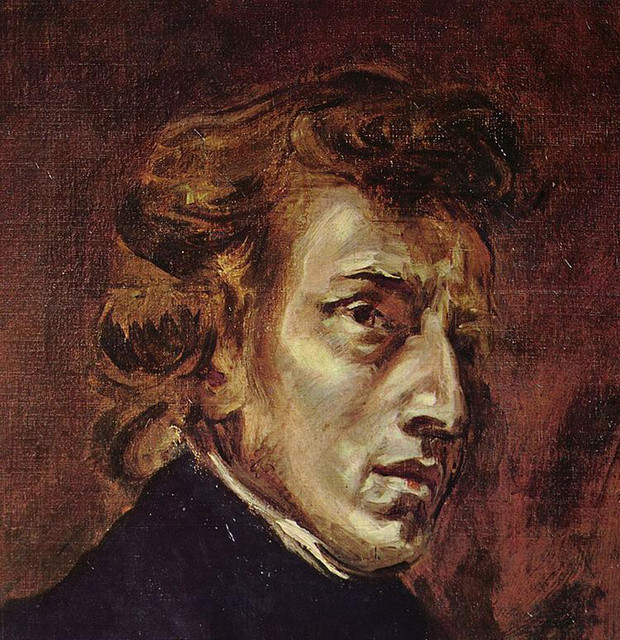
The country’s music is proudly rooted in a classical swagger that changed the world. Frédéric Chopin, one of Poland’s best-loved children, shaped Romantic piano music and remains a touchstone in concert programs worldwide. Warsaw’s annual Chopin events and the International Chopin Piano Competition—one of the most prestigious stages for young pianists—keep his legacy alive in the modern era. Beyond Chopin, Poland’s composers and performers have forged a robust classical and contemporary repertoire, from the artful modernism of Polish film scores to symphonic works that push outward from European tradition. The country’s tradition of musical education and state-supported performance spaces has produced a steady stream of world-class orchestras and conductors.
Jazz and film music have also carved out a distinctive Polish voice. The postwar era gave rise to a thriving Polish jazz scene, with figures such as Krzysztof Komeda shaping the language of European jazz and cinema, and Tomasz Stańko advancing it on the international stage. Today, the Jazz Jamboree in Warsaw and other festivals celebrate improvisation, fusion, and experimental sounds, drawing listeners who crave the texture of live improvisation. Polish composers and players have continued to contribute to cinematic scores and contemporary soundtracks, with modern names carrying the tradition into new genres and collaborations.
In recent years Poland has become a hotbed for contemporary and popular music as well. Artists like Dawid Podsiadło—whose emotive pop-rock has captured a wide Polish audience—have helped to define a homegrown sound that travels through streaming and festival stages. The metal and heavy scenes are likewise vibrant, with internationally known acts such as Behemoth and Riverside illustrating the breadth of Polish music from symphonic metal to progressive rock. Poland’s electronic and indie circuits are active, with clubs and festivals that spotlight fresh producers, DJs, and singer-songwriters who blend Polish lyricism with global trends.
Festival culture in Poland is a key gateway for music lovers. Open’er Festival in Gdynia brings big international acts to the Baltic coast, OFF Festival in Katowice emphasizes indie and experimental sounds, and Audioriver in Płock spotlights electronic music and immersive live sets. Venues range from Warsaw’s National Opera (Teatr Wielki) and the Filharmonia Narodowa to intimate clubs that cradle emerging talent. In cities like Kraków, Wrocław, and Gdańsk, historic concert halls, contemporary spaces, and outdoor stages create a continuous loop of discovery.
Poland’s influence on music—classical brilliance, jazz innovation, cinematic scores, and today’s diverse pop and metal scenes—ensures that it remains a place where enthusiasts can hear something both timeless and newly minted.
The country’s music is proudly rooted in a classical swagger that changed the world. Frédéric Chopin, one of Poland’s best-loved children, shaped Romantic piano music and remains a touchstone in concert programs worldwide. Warsaw’s annual Chopin events and the International Chopin Piano Competition—one of the most prestigious stages for young pianists—keep his legacy alive in the modern era. Beyond Chopin, Poland’s composers and performers have forged a robust classical and contemporary repertoire, from the artful modernism of Polish film scores to symphonic works that push outward from European tradition. The country’s tradition of musical education and state-supported performance spaces has produced a steady stream of world-class orchestras and conductors.
Jazz and film music have also carved out a distinctive Polish voice. The postwar era gave rise to a thriving Polish jazz scene, with figures such as Krzysztof Komeda shaping the language of European jazz and cinema, and Tomasz Stańko advancing it on the international stage. Today, the Jazz Jamboree in Warsaw and other festivals celebrate improvisation, fusion, and experimental sounds, drawing listeners who crave the texture of live improvisation. Polish composers and players have continued to contribute to cinematic scores and contemporary soundtracks, with modern names carrying the tradition into new genres and collaborations.
In recent years Poland has become a hotbed for contemporary and popular music as well. Artists like Dawid Podsiadło—whose emotive pop-rock has captured a wide Polish audience—have helped to define a homegrown sound that travels through streaming and festival stages. The metal and heavy scenes are likewise vibrant, with internationally known acts such as Behemoth and Riverside illustrating the breadth of Polish music from symphonic metal to progressive rock. Poland’s electronic and indie circuits are active, with clubs and festivals that spotlight fresh producers, DJs, and singer-songwriters who blend Polish lyricism with global trends.
Festival culture in Poland is a key gateway for music lovers. Open’er Festival in Gdynia brings big international acts to the Baltic coast, OFF Festival in Katowice emphasizes indie and experimental sounds, and Audioriver in Płock spotlights electronic music and immersive live sets. Venues range from Warsaw’s National Opera (Teatr Wielki) and the Filharmonia Narodowa to intimate clubs that cradle emerging talent. In cities like Kraków, Wrocław, and Gdańsk, historic concert halls, contemporary spaces, and outdoor stages create a continuous loop of discovery.
Poland’s influence on music—classical brilliance, jazz innovation, cinematic scores, and today’s diverse pop and metal scenes—ensures that it remains a place where enthusiasts can hear something both timeless and newly minted.