
Country
Reunion
Top Artists from Reunion
Showing 20 of 20 artists










About Reunion
Réunion is a volcanic island in the Indian Ocean, a French overseas department that sits off the east coast of Madagascar. It is a crossroads where African, Malagasy, Indian, Chinese and European threads weave together into a vibrant Creole culture. The island’s population is about 860,000 residents, and its music scene lives at the heart of daily life, festival nights, and street performances that spill from markets to beaches and back alleys.
For music lovers, Réunion offers two intertwined currents: Maloya and Sega. Maloya is a deep, spiritual form born from plantation labor and Creole memory, carried by call-and-response singing and percussion-driven rhythms. It grew from marginalized communities into a living archive of history, pain, resilience, and joy. Sega is its dance-friendly companion—a buoyant, ritualized party of singing, clapping, and movement that invites everyone to participate. Over the years these two styles fused and evolved, creating a sound that is unmistakably Réunionese: melodic, echoing, and richly polyrhythmic. In 2009 UNESCO recognized Maloya as part of the world’s intangible heritage, a milestone that helped renew interest and broaden its audience beyond the island’s shores.
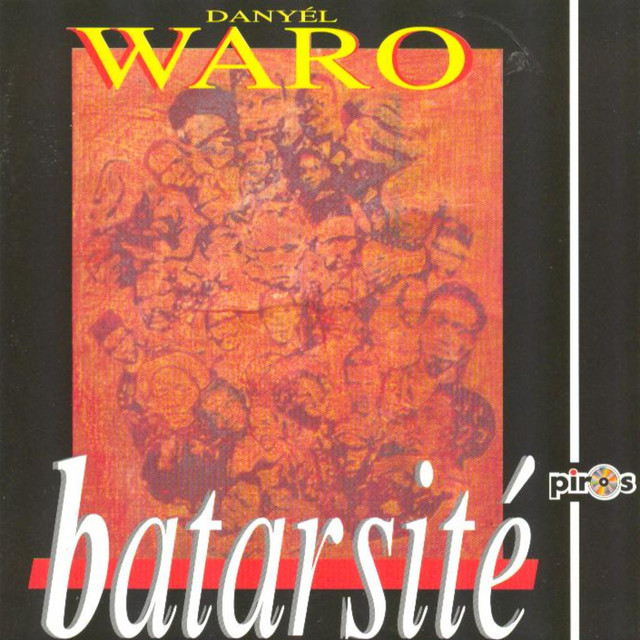
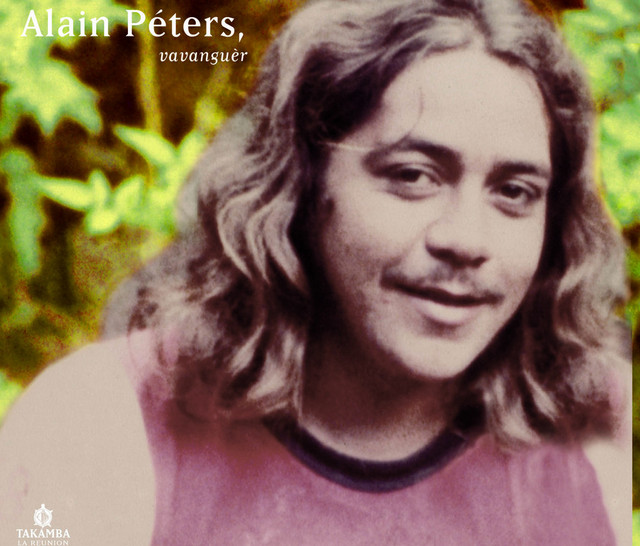
The island has produced and nurtured important artists who anchor its musical identity. Danyel Waro stands as one of Maloya’s most influential voices today, merging tradition with contemporary sensibilities to carry the story of Réunion into clubs, theaters and international festivals. Early pioneers like Alain Peters laid the groundwork for Maloya’s modern expression, inspiring generations to honor roots while exploring new forms. On the more versatile side, René Lacaille has become a distinctive presence, weaving accordion, percussion and brass with jazz and electronic textures to expand Réunion’s sonic palette. A newer wave of musicians continues the dialogue between past and present, blending hip-hop, electronic beats and world music to reflect a plural island life.
One of the season’s crown jewels for music fans is Sakifo, Réunion’s premier world-music festival. It brings artists from across the Indian Ocean and beyond to stages around Saint-Pierre, turning the island into a lively laboratory where traditional rhythms meet rock, dub, and modern digital sounds. Outside the big festivals, concerts and intimate shows occur throughout the year in cultural centers, theatres, and open-air spaces across towns like Saint-Denis, Saint-Paul and Le Port, giving both longtime followers and curious visitors rich opportunities to experience Sega’s buoyant energy and Maloya’s immersive atmosphere under the island’s tropical skies.
Réunion’s musical footprint extends beyond its shores. Sega and Maloya have influenced regional Caribbean and Indian Ocean scenes, contributing to a broader conversation about identity, migration, and language in music. Creole lyrics—mixtures of French, Creole, and occasional Malagasy—offer a sonic map of a society where memory, family, and modern life mingle. For music enthusiasts, Réunion is a vivid case study in how history and place shape sound, and how a relatively small island can illuminate global conversations about rhythm, resilience, and community.
For music lovers, Réunion offers two intertwined currents: Maloya and Sega. Maloya is a deep, spiritual form born from plantation labor and Creole memory, carried by call-and-response singing and percussion-driven rhythms. It grew from marginalized communities into a living archive of history, pain, resilience, and joy. Sega is its dance-friendly companion—a buoyant, ritualized party of singing, clapping, and movement that invites everyone to participate. Over the years these two styles fused and evolved, creating a sound that is unmistakably Réunionese: melodic, echoing, and richly polyrhythmic. In 2009 UNESCO recognized Maloya as part of the world’s intangible heritage, a milestone that helped renew interest and broaden its audience beyond the island’s shores.
The island has produced and nurtured important artists who anchor its musical identity. Danyel Waro stands as one of Maloya’s most influential voices today, merging tradition with contemporary sensibilities to carry the story of Réunion into clubs, theaters and international festivals. Early pioneers like Alain Peters laid the groundwork for Maloya’s modern expression, inspiring generations to honor roots while exploring new forms. On the more versatile side, René Lacaille has become a distinctive presence, weaving accordion, percussion and brass with jazz and electronic textures to expand Réunion’s sonic palette. A newer wave of musicians continues the dialogue between past and present, blending hip-hop, electronic beats and world music to reflect a plural island life.
One of the season’s crown jewels for music fans is Sakifo, Réunion’s premier world-music festival. It brings artists from across the Indian Ocean and beyond to stages around Saint-Pierre, turning the island into a lively laboratory where traditional rhythms meet rock, dub, and modern digital sounds. Outside the big festivals, concerts and intimate shows occur throughout the year in cultural centers, theatres, and open-air spaces across towns like Saint-Denis, Saint-Paul and Le Port, giving both longtime followers and curious visitors rich opportunities to experience Sega’s buoyant energy and Maloya’s immersive atmosphere under the island’s tropical skies.
Réunion’s musical footprint extends beyond its shores. Sega and Maloya have influenced regional Caribbean and Indian Ocean scenes, contributing to a broader conversation about identity, migration, and language in music. Creole lyrics—mixtures of French, Creole, and occasional Malagasy—offer a sonic map of a society where memory, family, and modern life mingle. For music enthusiasts, Réunion is a vivid case study in how history and place shape sound, and how a relatively small island can illuminate global conversations about rhythm, resilience, and community.