
Country
Syrian Arab Republic
Top Artists from Syrian Arab Republic
Showing 21 of 21 artists









About Syrian Arab Republic
Nestled on the eastern edge of the Mediterranean, the Syrian Arab Republic is a country whose cultural heartbeat has long pulsed to the rhythm of its diverse peoples. With roughly 20 million residents, Syria sits at a crossroads where Arab, Kurdish, Turkic, and Mediterranean strands mingle, creating a music scene that blends centuries of folk tradition with contemporary experimentation. For music lovers, Syrian sounds open doors to intimate weddings, bustling souks, and concert halls that echo with memory, resilience, and invention alike.
Traditional music in Syria is anchored in maqam systems and the communal joy of dabke, a circle dance driven by percussion and call-and-response singing. You can hear this in neighborhood celebrations as much as in formal concerts, where poets and singers trace long lines of melodic history while improvisers push the texture forward. Alongside this living heritage, Syria’s urban centers have nurtured pop, rock, and folk-inspired fusions that cross borders as readily as people do.
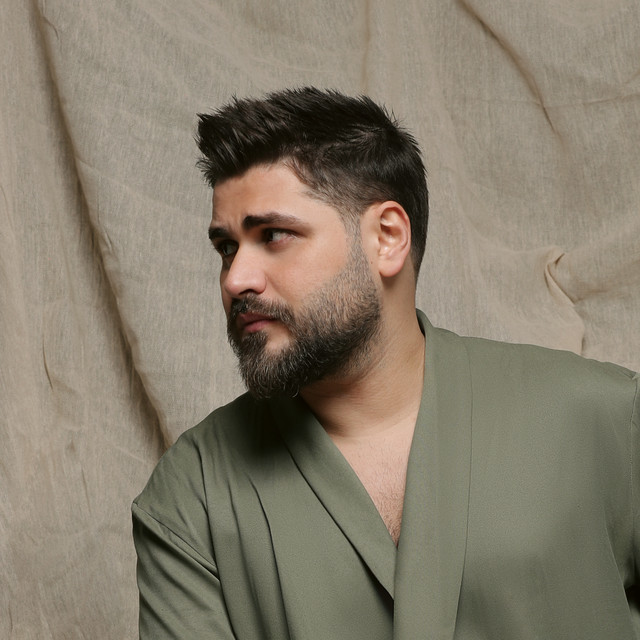
Among the country’s widely heard voices are Omar Souleyman, a pioneering figure whose dabke-infused electronic sets have toured the world and redefined what Middle Eastern dance music sounds like in clubs and festival stages. George Wassouf, revered across the Arab world, carries a deep, emotive pop tradition that keeps spinning fresh variations on classic themes. Nassif Zeytoun represents a younger generation, fusing contemporary Arab pop with traditional color, and performing to audiences far beyond Syria’s borders. Together, these artists illustrate a spectrum—from intimate vocal delivery to high-energy festival anthems—that continues to shape the regional sound.
Important venues anchor the scene in peacetime and, when conditions permit, in revival. The Damascus Opera House stands as a symbol of formal music-making in the capital, hosting orchestral concerts, vocal recitals, and chamber performances by Syrian and international artists. In cities such as Aleppo, Latakia, and Hasakeh, smaller theaters, university stages, and cultural centers sustain a steady stream of concerts, recitals, and festival-like evenings. In everyday life, however, dabke nights and family gatherings remain central, with percussion, tambourines, and chorus-led call-and-response fueling communal joy.
The Syrian music ecosystem has also grown through the country’s diaspora. Musicians who relocate to Europe, the Gulf, and North America carry Syrian melodic flavors into new collaborations, contributing to global fusions that blend maqam and microtonal nuance with electronic textures, hip-hop, and Western orchestration. The result is a vibrant, evolving soundscape: an art form shaped by history, by hardship, and by the enduring human impulse to sing, dance, and connect across borders.
Beyond popular names, Syria’s musical vocabulary includes soulful maqamat that tolerate subtle microtonal shifts, giving vocal lines a plaintive color. Ethnic and regional varieties—Aleppine brass and folk singers from the north, Bedouin-influenced melodies in the desert regions, and coastal Levantine tunes—surface in recordings and performances, reminding listeners of the country’s layered past. Contemporary composers explore film and theater scores, while independent artists publish music online, reaching audiences far from Damascus or Aleppo. In this way, Syrian music keeps its ancient roots while staying attentive to present and futures of sound.
Traditional music in Syria is anchored in maqam systems and the communal joy of dabke, a circle dance driven by percussion and call-and-response singing. You can hear this in neighborhood celebrations as much as in formal concerts, where poets and singers trace long lines of melodic history while improvisers push the texture forward. Alongside this living heritage, Syria’s urban centers have nurtured pop, rock, and folk-inspired fusions that cross borders as readily as people do.
Among the country’s widely heard voices are Omar Souleyman, a pioneering figure whose dabke-infused electronic sets have toured the world and redefined what Middle Eastern dance music sounds like in clubs and festival stages. George Wassouf, revered across the Arab world, carries a deep, emotive pop tradition that keeps spinning fresh variations on classic themes. Nassif Zeytoun represents a younger generation, fusing contemporary Arab pop with traditional color, and performing to audiences far beyond Syria’s borders. Together, these artists illustrate a spectrum—from intimate vocal delivery to high-energy festival anthems—that continues to shape the regional sound.
Important venues anchor the scene in peacetime and, when conditions permit, in revival. The Damascus Opera House stands as a symbol of formal music-making in the capital, hosting orchestral concerts, vocal recitals, and chamber performances by Syrian and international artists. In cities such as Aleppo, Latakia, and Hasakeh, smaller theaters, university stages, and cultural centers sustain a steady stream of concerts, recitals, and festival-like evenings. In everyday life, however, dabke nights and family gatherings remain central, with percussion, tambourines, and chorus-led call-and-response fueling communal joy.
The Syrian music ecosystem has also grown through the country’s diaspora. Musicians who relocate to Europe, the Gulf, and North America carry Syrian melodic flavors into new collaborations, contributing to global fusions that blend maqam and microtonal nuance with electronic textures, hip-hop, and Western orchestration. The result is a vibrant, evolving soundscape: an art form shaped by history, by hardship, and by the enduring human impulse to sing, dance, and connect across borders.
Beyond popular names, Syria’s musical vocabulary includes soulful maqamat that tolerate subtle microtonal shifts, giving vocal lines a plaintive color. Ethnic and regional varieties—Aleppine brass and folk singers from the north, Bedouin-influenced melodies in the desert regions, and coastal Levantine tunes—surface in recordings and performances, reminding listeners of the country’s layered past. Contemporary composers explore film and theater scores, while independent artists publish music online, reaching audiences far from Damascus or Aleppo. In this way, Syrian music keeps its ancient roots while staying attentive to present and futures of sound.