Country
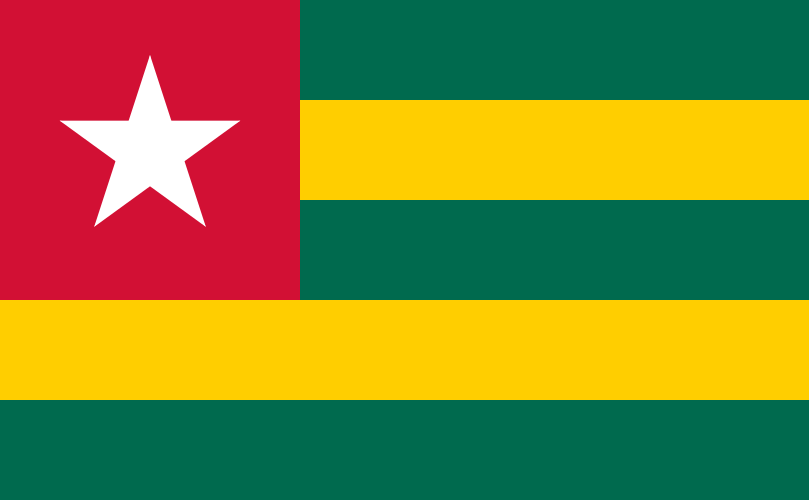
Togo
Top Artists from Togo
Showing 5 of 5 artists


About Togo
Togo, a slim West African nation bordering Ghana to the west and Benin to the east, sits on the Gulf of Guinea with a coastline that inspires a distinctly coastal sound. Home to roughly nine million people, its population is youthful, energetic, and deeply engaged with music as a daily language. The country’s musical life is anchored in the southern Ewe and Mina traditions and the northern Kabiye and Tamajé languages, with French as the official tongue that helps carry Togolese genres to regional and international audiences. The result is a cosmopolitan soundscape that feels both intimate and expansive.
If you listen closely, Togolese music blends traditional percussion with modern sensibilities. The hallmark polyrhythms of Ewe drumming—played on gankogui bells, axatse shakers, and robust talking drums—often ride atop guitar-led melodies and call-and-response vocals. Kpalongo rhythm, a vivid dance beat associated with the Ewe-speaking communities, is a common thread in street performances and night-time shows, translating traditional grooves into club-ready grooves. You’ll hear the same energy in contemporary pop, highlife-infused ballads, and Afrobeat-influenced anthems, all threaded with the buoyant, communal spirit that defines Togolese performance culture.
This mix has produced recognizable names and sounds. King Mensah, a revered figure in Togolese highlife, helped shape the country’s popular music with a polished, danceable sound that remains a staple on radio and in live venues. On the contemporary scene, artists and groups blending Afrobeat, dancehall, and hip-hop have gained traction, carrying Togolese rhythms beyond borders. The duo Toofan—a reference point for many listeners—fuses Afrobeat and dance music with catchy melodies that resonate across West Africa. Together, these artists illustrate how Togolese musicians honor tradition while embracing modern production, crafting sounds that are both rooted and restless.
Several events and venues help keep the music scene vibrant. The Fête de la Musique, celebrated across many countries on June 21, brings free outdoor concerts to Lomé and other towns, turning streets and plazas into sprawling stages. Local festivals and club nights showcase a steady stream of acts—from up-and-coming rappers to seasoned singers—often in intimate spaces that encourage direct connection between artists and audiences. A centerpiece for performances is the National Theatre in Lomé, along with other cultural centers and concert halls that host everything from intimate acoustic sets to large-scale productions. These venues and events are crucial for cultivating new talent and presenting Togolese music to visitors and the diaspora.
For music enthusiasts, Togolese culture offers a rich, front-row experience of how traditional rhythms morph into contemporary forms. It’s easy to hear echoes of ancient drums in modern grooves, to spot the influence of Ewe dance music in club anthems, and to feel how a small nation’s sound can travel far. If you’re chasing groove and storytelling, Togo’s music scene rewards repeated listening, deep listening to percussion textures, and an openness to fusion that mirrors the country’s own cultural blend.
If you listen closely, Togolese music blends traditional percussion with modern sensibilities. The hallmark polyrhythms of Ewe drumming—played on gankogui bells, axatse shakers, and robust talking drums—often ride atop guitar-led melodies and call-and-response vocals. Kpalongo rhythm, a vivid dance beat associated with the Ewe-speaking communities, is a common thread in street performances and night-time shows, translating traditional grooves into club-ready grooves. You’ll hear the same energy in contemporary pop, highlife-infused ballads, and Afrobeat-influenced anthems, all threaded with the buoyant, communal spirit that defines Togolese performance culture.
This mix has produced recognizable names and sounds. King Mensah, a revered figure in Togolese highlife, helped shape the country’s popular music with a polished, danceable sound that remains a staple on radio and in live venues. On the contemporary scene, artists and groups blending Afrobeat, dancehall, and hip-hop have gained traction, carrying Togolese rhythms beyond borders. The duo Toofan—a reference point for many listeners—fuses Afrobeat and dance music with catchy melodies that resonate across West Africa. Together, these artists illustrate how Togolese musicians honor tradition while embracing modern production, crafting sounds that are both rooted and restless.
Several events and venues help keep the music scene vibrant. The Fête de la Musique, celebrated across many countries on June 21, brings free outdoor concerts to Lomé and other towns, turning streets and plazas into sprawling stages. Local festivals and club nights showcase a steady stream of acts—from up-and-coming rappers to seasoned singers—often in intimate spaces that encourage direct connection between artists and audiences. A centerpiece for performances is the National Theatre in Lomé, along with other cultural centers and concert halls that host everything from intimate acoustic sets to large-scale productions. These venues and events are crucial for cultivating new talent and presenting Togolese music to visitors and the diaspora.
For music enthusiasts, Togolese culture offers a rich, front-row experience of how traditional rhythms morph into contemporary forms. It’s easy to hear echoes of ancient drums in modern grooves, to spot the influence of Ewe dance music in club anthems, and to feel how a small nation’s sound can travel far. If you’re chasing groove and storytelling, Togo’s music scene rewards repeated listening, deep listening to percussion textures, and an openness to fusion that mirrors the country’s own cultural blend.