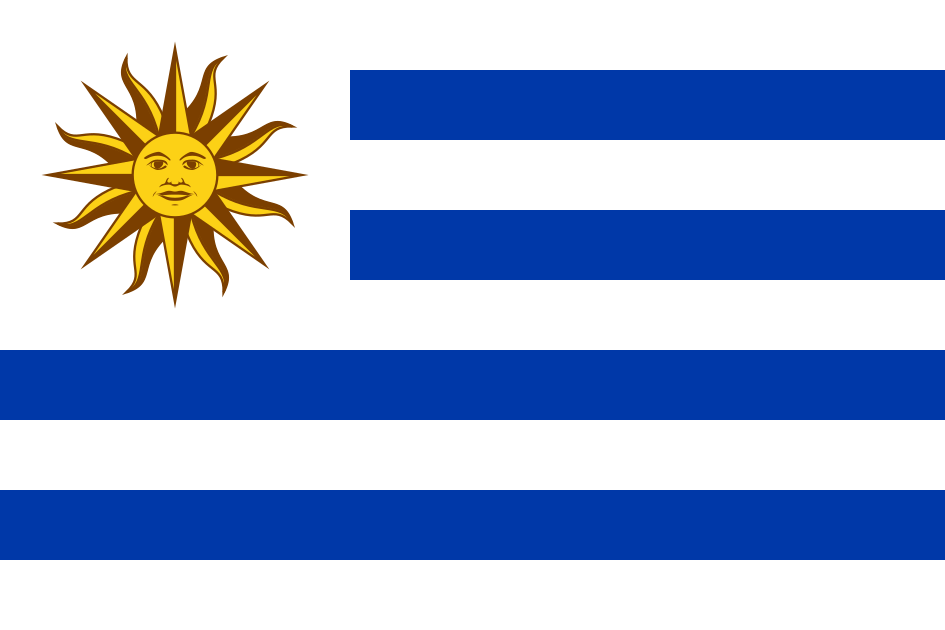
Country
Uruguay
Top Artists from Uruguay
Showing 25 of 112 artists








About Uruguay
Uruguay is a small country with a generous musical heart. Nestled between Brazil and Argentina, its Atlantic coastline and urban neighborhoods feed a sound that blends Afro-Uruguayan traditions, European songcraft, and a lively contemporary scene. With a population of about 3.5 million, Uruguayis a compact stage where intimate clubs and grand theaters host a steady flow of rhythms, from street corner rapture to polished studio productions. For music enthusiasts, this is a nation that invites you to listen closely to the seams where tradition meets modern experimentation.
The Uruguayan sound is deeply rooted in candombe, a percussive tradition brought by African descendants that infuses rhythm into both carnival and everyday life. The drum ensembles—congas and tamboriles—drive the city’s famous Llamadas, the pulsating calls that march through the streets during Carnaval. Alongside candombe, murga—a theatrical form that marries sharp humor, social commentary, and brassy song—defines a festive, communal flavor that you can hear in night clubs and on street stages alike. This rhythmic foundation supports a generation of singer-songwriters and bands who mingle rock, folk, tango, and pop with unmistakable Uruguayan character.
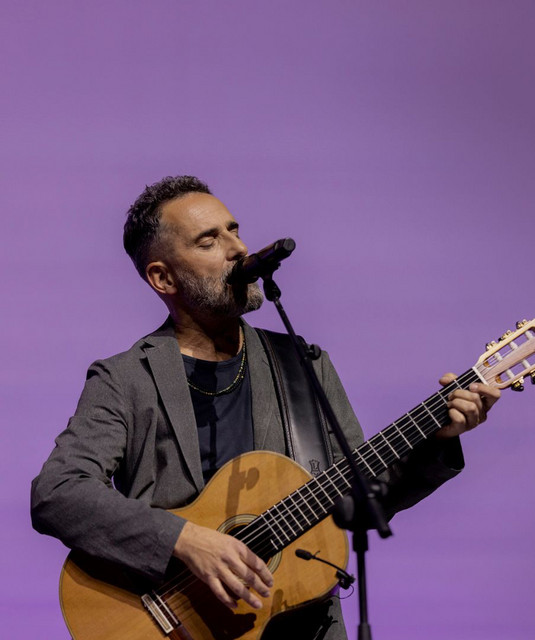
Among Uruguay’s most celebrated artists, Jorge Drexler stands out internationally. A singer-songwriter of rare elegance, he weaves intimate lyrics with sophisticated production; his Oscar-winning song Al otro lado del río for The Motorcycle Diaries cemented his global profile while staying true to his roots. Rubén Rada, the “Black Pearl” of Uruguay, is a funk-tinged pioneer who helped popularize candombe-inflected grooves across Latin America. Alfredo Zitarrosa, a towering voice in folk music, left a lasting imprint with his stark, poetic storytelling that continues to influence contemporary folk and protest songs. Jaime Roos, Leo Maslíah, and the bands No Te Va A Gustar (NTVG), La Vela Puerca, and Cuarteto de Nos have shaped a vibrant modern scene—bridging rock, reggae, folk, and salsa with witty, insightful urban lyrics.
Key venues anchor this musical life. Teatro Solís in Montevideo is a historic palace of performance, hosting opera, concerts, and touring stars in a setting steeped in tradition. Sala Zitarrosa, named for the folk legend, offers an intimate space for evenings of traditional and contemporary music. The SODRE complex houses the national orchestra and other performing arts, underscoring the country’s commitment to high-quality live music across genres.
Popular events in Uruguay’s musical calendar include Carnaval’s Llamadas and murga performances, a colorful, drum-driven celebration that showcases communal creativity. Rock and pop get festival treatment in Montevideo and coastal towns, and the Punta del Este area hosts jazz and world music events that attract international guests during the southern hemisphere summer.
If you’re exploring music in the Southern Cone, Uruguay offers a concentrated, endlessly welcoming scene: a country where a pocket-sized population can carry big, passionate sound into the world.
The Uruguayan sound is deeply rooted in candombe, a percussive tradition brought by African descendants that infuses rhythm into both carnival and everyday life. The drum ensembles—congas and tamboriles—drive the city’s famous Llamadas, the pulsating calls that march through the streets during Carnaval. Alongside candombe, murga—a theatrical form that marries sharp humor, social commentary, and brassy song—defines a festive, communal flavor that you can hear in night clubs and on street stages alike. This rhythmic foundation supports a generation of singer-songwriters and bands who mingle rock, folk, tango, and pop with unmistakable Uruguayan character.
Among Uruguay’s most celebrated artists, Jorge Drexler stands out internationally. A singer-songwriter of rare elegance, he weaves intimate lyrics with sophisticated production; his Oscar-winning song Al otro lado del río for The Motorcycle Diaries cemented his global profile while staying true to his roots. Rubén Rada, the “Black Pearl” of Uruguay, is a funk-tinged pioneer who helped popularize candombe-inflected grooves across Latin America. Alfredo Zitarrosa, a towering voice in folk music, left a lasting imprint with his stark, poetic storytelling that continues to influence contemporary folk and protest songs. Jaime Roos, Leo Maslíah, and the bands No Te Va A Gustar (NTVG), La Vela Puerca, and Cuarteto de Nos have shaped a vibrant modern scene—bridging rock, reggae, folk, and salsa with witty, insightful urban lyrics.
Key venues anchor this musical life. Teatro Solís in Montevideo is a historic palace of performance, hosting opera, concerts, and touring stars in a setting steeped in tradition. Sala Zitarrosa, named for the folk legend, offers an intimate space for evenings of traditional and contemporary music. The SODRE complex houses the national orchestra and other performing arts, underscoring the country’s commitment to high-quality live music across genres.
Popular events in Uruguay’s musical calendar include Carnaval’s Llamadas and murga performances, a colorful, drum-driven celebration that showcases communal creativity. Rock and pop get festival treatment in Montevideo and coastal towns, and the Punta del Este area hosts jazz and world music events that attract international guests during the southern hemisphere summer.
If you’re exploring music in the Southern Cone, Uruguay offers a concentrated, endlessly welcoming scene: a country where a pocket-sized population can carry big, passionate sound into the world.