Country
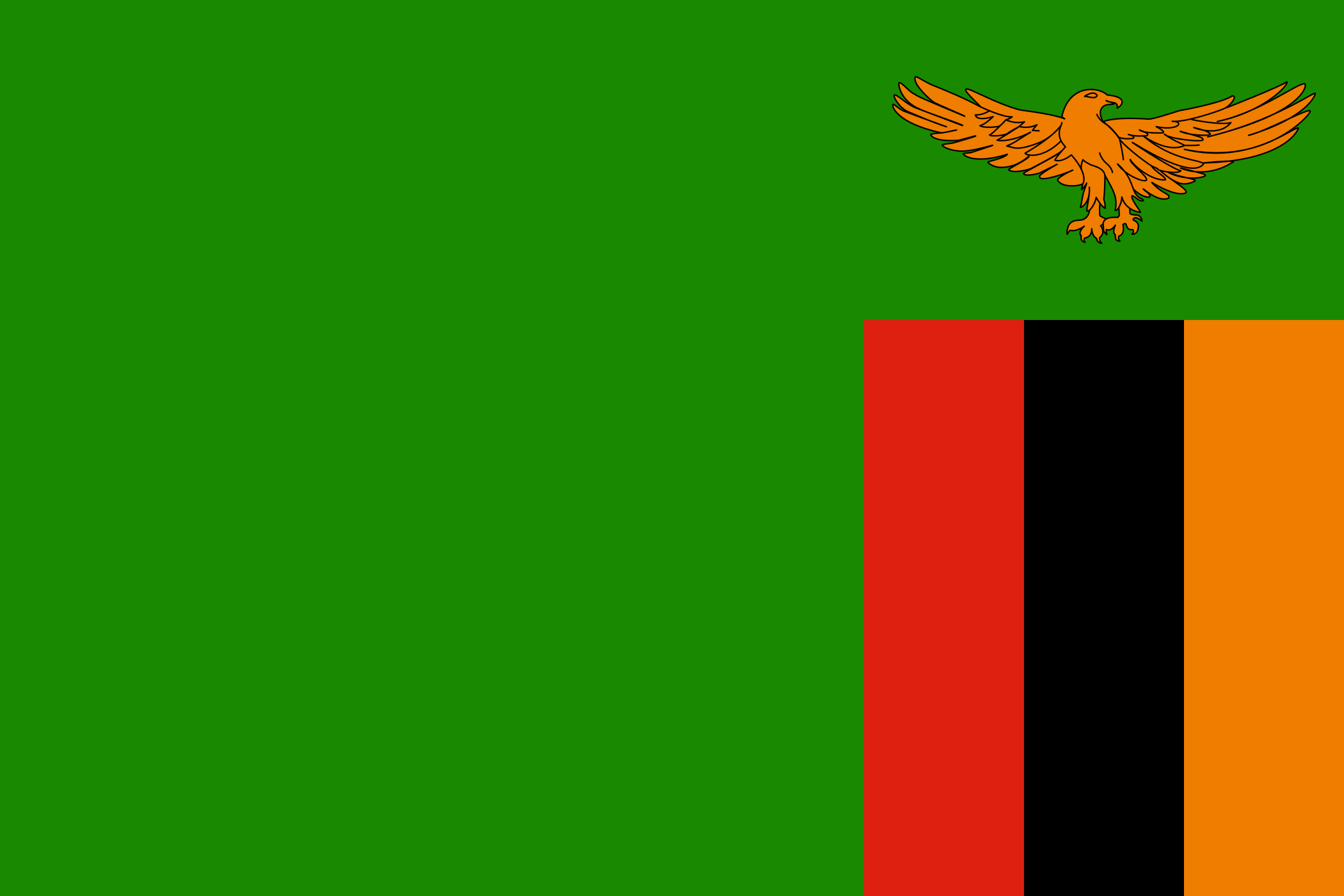
Zambia
Top Artists from Zambia
Showing 25 of 37 artists






About Zambia
Zambia is a country of dramatic landscapes and a surprisingly rich musical pulse. Nestled in southern Africa, it sits near Victoria Falls and the mighty Zambezi, but it’s the soundscape that often stays with you long after the view has faded. With a population of roughly 19 million people, Zambia is a melting pot of languages, rhythms, and stories, and its music community reflects that diversity—from bustling city clubs to rural gatherings, the air is full of song.
The country’s early musical identity is inseparably linked to Zamrock, a 1970s movement that fused psychedelic rock, funk, and traditional dances. In copperbelt towns like Kitwe and Ndola, bands such as WITCH and the Ngozi Family forged a loud, guitar-driven sound that traveled across Africa and helped seed later generations of African rock and independent music. Zamrock wasn’t just a phase; it planted a rough-hewn, improvisational spirit that continues to influence musicians who value energy, groove, and fearless experimentation.
Today, Zambia remains a hotbed for a wide range of genres. Hip hop and rap dominate much of the urban scene, with artists who rap in Bemba, Nyanja, and English drawing large local followings. Names like Macky 2, Slap Dee, and Chef 187 are familiar to fans who stream or ride through Lusaka’s nightlife, while alternative-leaning acts and emerging producers push creative boundaries. Gospel and Christian hip hop also have a strong foothold, reflecting the country’s deep spiritual traditions and the global reach of contemporary gospel sounds. Internationally, a Zambian-born artist who has captured wide attention is Sampa the Great, whose work across Australia and Africa demonstrates how Zambian roots can travel globally while retaining a distinctive local flavor. Contemporary R&B, pop, and Afro-fusion artists such as Pompi, Wezi, and others keep the stages lively, blending lush melodies with rhythmic drums that make you want to dance.
Music in Zambia isn’t confined to studios; it’s part of daily life. You’ll hear pocket-sized performances in markets, at street corners, and during cultural events that bring communities together. The country’s live scene thrives in clubs, hotels, and cultural centers around Lusaka and the Copperbelt, as well as in Livingstone and other regional hubs. Festivals and concerts, both locally organized and touring, create opportunities for collaboration between seasoned veterans and new talent, fueling a cycle of mentorship and experimentation that continually feeds the scene.
Important venues and hubs include national and regional cultural centers, plus the many hotels and clubs that host live music nights. While the specifics can shift with time, the underlying pattern remains clear: Zambia’s music scene is vibrant, welcoming, and intensely communal. The country’s historical Zamrock legacy, its dynamic contemporary artists, and its robust festival and club culture together shape a musical voice that is at once rooted and restless.
For music enthusiasts, Zambia offers a rich listening journey—from the echoes of Zamrock guitars to the energetic contemporary hip-hop and gospel scenes, all backed by a people who sing, dance, and celebrate together.
The country’s early musical identity is inseparably linked to Zamrock, a 1970s movement that fused psychedelic rock, funk, and traditional dances. In copperbelt towns like Kitwe and Ndola, bands such as WITCH and the Ngozi Family forged a loud, guitar-driven sound that traveled across Africa and helped seed later generations of African rock and independent music. Zamrock wasn’t just a phase; it planted a rough-hewn, improvisational spirit that continues to influence musicians who value energy, groove, and fearless experimentation.
Today, Zambia remains a hotbed for a wide range of genres. Hip hop and rap dominate much of the urban scene, with artists who rap in Bemba, Nyanja, and English drawing large local followings. Names like Macky 2, Slap Dee, and Chef 187 are familiar to fans who stream or ride through Lusaka’s nightlife, while alternative-leaning acts and emerging producers push creative boundaries. Gospel and Christian hip hop also have a strong foothold, reflecting the country’s deep spiritual traditions and the global reach of contemporary gospel sounds. Internationally, a Zambian-born artist who has captured wide attention is Sampa the Great, whose work across Australia and Africa demonstrates how Zambian roots can travel globally while retaining a distinctive local flavor. Contemporary R&B, pop, and Afro-fusion artists such as Pompi, Wezi, and others keep the stages lively, blending lush melodies with rhythmic drums that make you want to dance.
Music in Zambia isn’t confined to studios; it’s part of daily life. You’ll hear pocket-sized performances in markets, at street corners, and during cultural events that bring communities together. The country’s live scene thrives in clubs, hotels, and cultural centers around Lusaka and the Copperbelt, as well as in Livingstone and other regional hubs. Festivals and concerts, both locally organized and touring, create opportunities for collaboration between seasoned veterans and new talent, fueling a cycle of mentorship and experimentation that continually feeds the scene.
Important venues and hubs include national and regional cultural centers, plus the many hotels and clubs that host live music nights. While the specifics can shift with time, the underlying pattern remains clear: Zambia’s music scene is vibrant, welcoming, and intensely communal. The country’s historical Zamrock legacy, its dynamic contemporary artists, and its robust festival and club culture together shape a musical voice that is at once rooted and restless.
For music enthusiasts, Zambia offers a rich listening journey—from the echoes of Zamrock guitars to the energetic contemporary hip-hop and gospel scenes, all backed by a people who sing, dance, and celebrate together.