Country
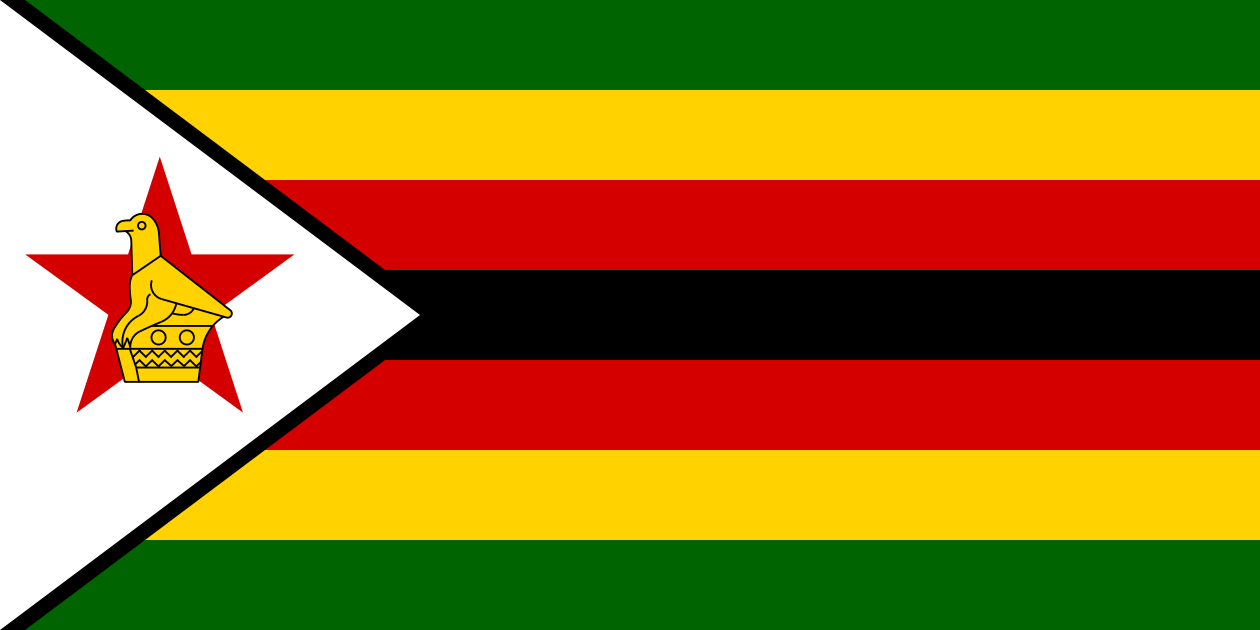
Zimbabwe
Top Artists from Zimbabwe
Showing 25 of 44 artists





About Zimbabwe
Zimbabwe is a country of vast landscapes, bold rhythms, and a living soundscape that has shaped Southern Africa’s music in unexpected ways. For music enthusiasts it offers a rare blend of deep traditional roots and dynamic contemporary scenes. The nation is home to about 15 million people who carry a rich lineage of mbira, drums, and sung poetry alongside growing genres of Afro-jazz, reggae, hip-hop, and dancehall.
The heartbeat of Zimbabwean music is the mbira, the thumb piano, whose shimmering patterns have informed generations of performers. Traditional mbira ensembles mingle with modern arrangements in urban studios and festival stages, creating a conversation between ancestral melody and modern groove. The most legendary torchbearers are Thomas Mapfumo, who popularized Chimurenga—a politically charged guitar-and-debate music that became the soundtrack of independence—and Stella Chiweshe, a master of the mbira who has carried the instrument to global stages. The late Oliver Mtukudzi, known affectionately as Tuku, fused Afro-jazz, funk, and traditional Zimbabwean forms into a universal sound that attracted audiences from Harare to Harare’s international sisters.
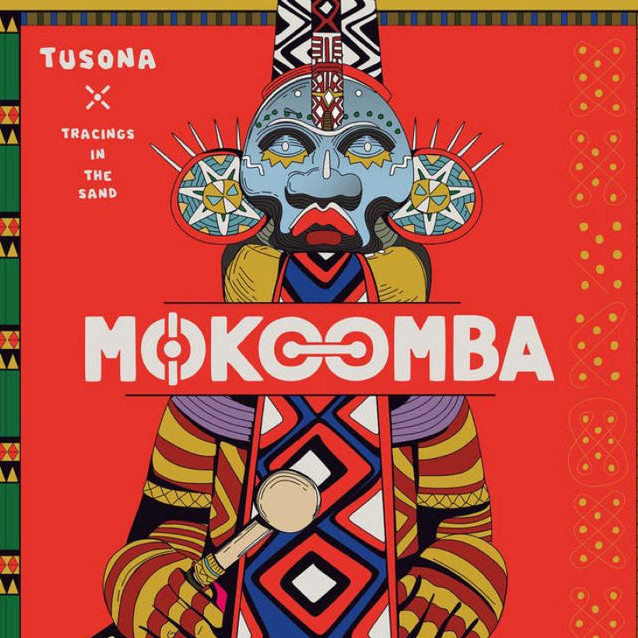
In the pop and contemporary world, Zimbabwe has sprouted a generation of artists who command wide audiences across Africa and beyond. Winky D, a towering figure in the new school of Zimbabwean dancehall and reggae-infused music, has defined street-level storytelling, while Jah Prayzah blends sung narratives with high-energy live shows and a distinctly Zimbabwean swing. The youth scene also carries diaspora energy; groups like Mokoomba from the Vha-Vha region forged international tours and won awards that put Zimbabwean music on the global map. Notable voices include Alick Macheso and Simon Chimbetu, whose cross-border tours and collaborations have expanded the reach of Zimbabwean pop and sungura, enriching the country’s musical conversation at home and abroad. Across the continent, collaborations with South African musicians and regional collectives have produced a vibrant cross-pollination, seen in joint tours, shared studio sessions, and joint festival lineups. This atmosphere nourishes street corners, university campuses, and national radio, where new sounds experiment with mbira rhythms, electronic textures, and traditional chants. Young producers fuse synths with marimba lines, while veteran artists mentor emerging singers in informal studios, creating a generational dialogue that respects heritage while embracing global pop sensibilities. The result is music that travels far.
Vital venues and events anchor the scene. Harare’s Book Café is a legendary listening room where musicians refine their craft and listeners discover new sounds. The Reps Theatre in the capital and Bulawayo’s large venues host touring acts and local ensembles with equal seriousness. The country also hosts flagship events such as the Harare International Festival of the Arts (HIFA), a multivenue celebration that brings theatre, music, and dance together under one umbrella. Shoko Festival, an urban arts festival held in Harare, pairs music with performance art and innovation, drawing audiences from across the region. Zimbabwe’s festivals are not only about big crowds; they’re laboratories for collaboration, cross-pollination, and the lingering question of how to move a song from the village to the world.
The music industry has also influenced cinema, fashion, and social discourse, making Zimbabwe a pivotal node in Africa’s musical maps. Its sounds continue to travel through collaborations with neighboring countries and the global music economy, inviting listeners to hear a country where history and future beat in the same drum.
For travelers chasing acoustic adventures, Zimbabwe rewards curiosity with improvised jamming at village bars, brass bands in urban streets, and intimate mornings hearing rain on the guitar strings. The country remains a classroom where music learns, heals, and connects communities together.
The heartbeat of Zimbabwean music is the mbira, the thumb piano, whose shimmering patterns have informed generations of performers. Traditional mbira ensembles mingle with modern arrangements in urban studios and festival stages, creating a conversation between ancestral melody and modern groove. The most legendary torchbearers are Thomas Mapfumo, who popularized Chimurenga—a politically charged guitar-and-debate music that became the soundtrack of independence—and Stella Chiweshe, a master of the mbira who has carried the instrument to global stages. The late Oliver Mtukudzi, known affectionately as Tuku, fused Afro-jazz, funk, and traditional Zimbabwean forms into a universal sound that attracted audiences from Harare to Harare’s international sisters.
In the pop and contemporary world, Zimbabwe has sprouted a generation of artists who command wide audiences across Africa and beyond. Winky D, a towering figure in the new school of Zimbabwean dancehall and reggae-infused music, has defined street-level storytelling, while Jah Prayzah blends sung narratives with high-energy live shows and a distinctly Zimbabwean swing. The youth scene also carries diaspora energy; groups like Mokoomba from the Vha-Vha region forged international tours and won awards that put Zimbabwean music on the global map. Notable voices include Alick Macheso and Simon Chimbetu, whose cross-border tours and collaborations have expanded the reach of Zimbabwean pop and sungura, enriching the country’s musical conversation at home and abroad. Across the continent, collaborations with South African musicians and regional collectives have produced a vibrant cross-pollination, seen in joint tours, shared studio sessions, and joint festival lineups. This atmosphere nourishes street corners, university campuses, and national radio, where new sounds experiment with mbira rhythms, electronic textures, and traditional chants. Young producers fuse synths with marimba lines, while veteran artists mentor emerging singers in informal studios, creating a generational dialogue that respects heritage while embracing global pop sensibilities. The result is music that travels far.
Vital venues and events anchor the scene. Harare’s Book Café is a legendary listening room where musicians refine their craft and listeners discover new sounds. The Reps Theatre in the capital and Bulawayo’s large venues host touring acts and local ensembles with equal seriousness. The country also hosts flagship events such as the Harare International Festival of the Arts (HIFA), a multivenue celebration that brings theatre, music, and dance together under one umbrella. Shoko Festival, an urban arts festival held in Harare, pairs music with performance art and innovation, drawing audiences from across the region. Zimbabwe’s festivals are not only about big crowds; they’re laboratories for collaboration, cross-pollination, and the lingering question of how to move a song from the village to the world.
The music industry has also influenced cinema, fashion, and social discourse, making Zimbabwe a pivotal node in Africa’s musical maps. Its sounds continue to travel through collaborations with neighboring countries and the global music economy, inviting listeners to hear a country where history and future beat in the same drum.
For travelers chasing acoustic adventures, Zimbabwe rewards curiosity with improvised jamming at village bars, brass bands in urban streets, and intimate mornings hearing rain on the guitar strings. The country remains a classroom where music learns, heals, and connects communities together.