Genre
african-american classical
Top African-american classical Artists
Showing 22 of 22 artists




About African-american classical
African-American classical music is the body of concert music written by composers of African descent in the United States, and—over time—by artists in the broader African diaspora who work within or against the traditions of European art music. It sits at the crossroads of European classical forms (symphonies, concertos, choral oratorios, chamber works) and African American musical idioms (spirituals, blues, gospel, work songs, and improvisatory sensibilities). Rather than a single fixed style, it is a spectrum that ranges from tightly crafted symphonic architecture to intimate piano miniatures, often carrying a personal narrative about history, identity, and resilience. The result is music that sometimes follows the language of the European canon but always speaks with a distinct timbre, rhythm, and sense of story.
Origins and birth of the genre can be traced to late 19th and early 20th-century practices in the United States, when musicians trained in conservatories and European genres began to synthesize formal techniques with songs and spirituals rooted in African American communities. The Harlem Renaissance of the 1920s and 1930s provided a crucial platform for composers to publish, perform, and champion works that spoke to Black experience without sacrificing craftsmanship. In this period, composers began writing full-scale orchestral works, choral/orchestral oratorios, and operas, expanding the reach of classical music within and beyond Black communities.
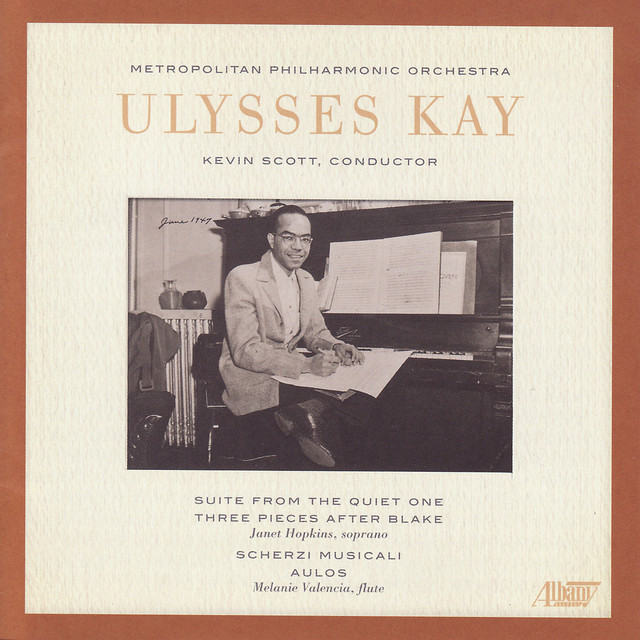
Among the most influential early figures is William Grant Still (1895–1978), often described as the “dean” of African-American classical composers. His Afro-American Symphony (No. 1, completed in 1931) is widely regarded as a landmark in American concert music, signaling to audiences that a Black composer could craft a serious symphonic voice within the Western tradition. Florence Price (1887–1953) followed closely, creating symphonies, chamber works, and choral pieces; her Symphony in E minor (1933) is celebrated for its gorgeously colored orchestration and its place in the history of African American orchestral writing, including recognition that a major American orchestra would perform works by Black composers during Price’s era. Other important contributors include R. Nathaniel Dett (1882–1943), a pianist and choral composer who embedded spirituals and classical forms in often programmatic works; Margaret Bonds (1913–1972), a singer-composer who partnered with poets like Langston Hughes to create art songs and choral pieces; and later Ulysses Kay (1917–1996) and George Walker (1922–2018), who expanded the repertoire with symphonies, concertos, and intimate works.
In the contemporary landscape, African-American classical music continues to thrive through orchestral commissions, chamber music cycles, and renewed scholarly interest. Ambassadors of the tradition include composers such as Adolphus Hailstork and other modern voices who blend rigorous craft with social and cultural reflection. The genre remains most strongly represented in the United States, with growing recognition in Europe and other parts of the world as orchestras and festivals program works by Black composers, revive neglected scores, and encourage living composers who bridge classical discipline with contemporary vocal and instrumental color.
For enthusiasts, this music offers a compelling blend of technical mastery and emotive storytelling. It invites close listening for how rhythm, harmony, and form carry meaning, while reminding us that the classical tradition in America has always been enriched by voices that long asked to be heard.
Origins and birth of the genre can be traced to late 19th and early 20th-century practices in the United States, when musicians trained in conservatories and European genres began to synthesize formal techniques with songs and spirituals rooted in African American communities. The Harlem Renaissance of the 1920s and 1930s provided a crucial platform for composers to publish, perform, and champion works that spoke to Black experience without sacrificing craftsmanship. In this period, composers began writing full-scale orchestral works, choral/orchestral oratorios, and operas, expanding the reach of classical music within and beyond Black communities.
Among the most influential early figures is William Grant Still (1895–1978), often described as the “dean” of African-American classical composers. His Afro-American Symphony (No. 1, completed in 1931) is widely regarded as a landmark in American concert music, signaling to audiences that a Black composer could craft a serious symphonic voice within the Western tradition. Florence Price (1887–1953) followed closely, creating symphonies, chamber works, and choral pieces; her Symphony in E minor (1933) is celebrated for its gorgeously colored orchestration and its place in the history of African American orchestral writing, including recognition that a major American orchestra would perform works by Black composers during Price’s era. Other important contributors include R. Nathaniel Dett (1882–1943), a pianist and choral composer who embedded spirituals and classical forms in often programmatic works; Margaret Bonds (1913–1972), a singer-composer who partnered with poets like Langston Hughes to create art songs and choral pieces; and later Ulysses Kay (1917–1996) and George Walker (1922–2018), who expanded the repertoire with symphonies, concertos, and intimate works.
In the contemporary landscape, African-American classical music continues to thrive through orchestral commissions, chamber music cycles, and renewed scholarly interest. Ambassadors of the tradition include composers such as Adolphus Hailstork and other modern voices who blend rigorous craft with social and cultural reflection. The genre remains most strongly represented in the United States, with growing recognition in Europe and other parts of the world as orchestras and festivals program works by Black composers, revive neglected scores, and encourage living composers who bridge classical discipline with contemporary vocal and instrumental color.
For enthusiasts, this music offers a compelling blend of technical mastery and emotive storytelling. It invites close listening for how rhythm, harmony, and form carry meaning, while reminding us that the classical tradition in America has always been enriched by voices that long asked to be heard.