Genre
afro-cuban jazz
Top Afro-cuban jazz Artists
Showing 19 of 19 artists





About Afro-cuban jazz
Afro-Cuban jazz is a dynamic fusion that sits at the crossroads of jazz improvisation and Afro-Cuban rhythmic tradition. It emerged in the 1940s and 1950s as musicians in New York and Havana began to blend Swing-era jazz with the syncopated rhythms of Cuba—rumba, son, mambo, cha-cha, and guaguancó. The result is a genre defined by powerful polyrhythms, swinging horn lines, and an elastic sense of time that invites daring soloing within a tight rhythmic framework.
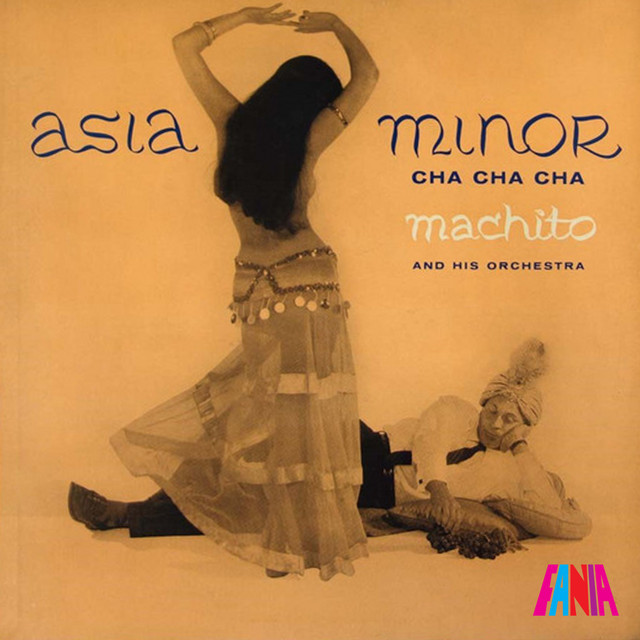
A key moment in its birth was the collaboration between Dizzy Gillespie, the virtuosic American trumpeter, and Chano Pozo, a percussionist and singer from Cuba. They forged a path that fused improvisation with Afro-Cuban clave patterns and call-and-response textures. Pozo’s presence and ideas helped shape the drum and conga vocabulary, while Gillespie’s horn language and big-band arrangements provided a global stage. Another foundational ensemble was Machito and his Afro-Cubans, led by bandleader Machito with Tanzanian-born pianist Mario Bauzá, which popularized a sophisticated, high-energy sound built around montuno piano sections, tumbao bass lines, and the interlocking percussion of congas and timbales. The famous recording of Manteca, which features both Pozo’s percussion and Gillespie’s horn, is often cited as a turning point that brought Afro-Cuban jazz into the jazz mainstream.
In the hands of these pioneers, Afro-Cuban jazz established a vocabulary that would echo through decades. The genre centers on clave—usually three-side or two-side patterns that act as a rhythmic passport for musicians—along with the rapid-fire congas, maracas, and timbales that drive the groove. Jazz improvisation sits atop this framework, with horn players weaving melodies above tumbaos and montunos (repetitive, piano-driven figures) that propel solo sections. The result is music that feels both tightly choreographed and exhilaratingly improvisational.
Throughout its history, a constellation of ambassador-figures carried Afro-Cuban jazz beyond its birthplaces. Dizzy Gillespie remains a towering influence, frequently cited as the genre’s first major American ambassador. Other luminaries include Machito and his Afro-Cubans, Tito Puente—whose percussion fire and charismatic leadership helped turn Latin jazz into a global phenomenon—Mongo Santamaría, Candido Camero, and later Chucho Valdés, Gonzalo Rubalcaba, Arturo Sandoval, and the Afro-Cuban collective Irakere. These artists expanded the vocabulary with new rhythms, harmonies, and textures, blending traditional Afro-Cuban forms with modern jazz, funk, salsa, and even rock influences.
Geographically, Afro-Cuban jazz thrives most in the United States, especially New York and Los Angeles, Cuba, and among Latin music scenes across Europe, with particularly strong followings in Spain, France, and the United Kingdom. It also enjoys continued popularity in Japan and Latin American countries where jazz scenes intersect with local Cuban and Latin rhythms. For listeners, the genre offers a gateway to deep rhythmic complexity and expansive improvisation—music that rewards attentive listening as much as dancing feet.
In short, Afro-Cuban jazz is a living bridge between two traditions: the American jazz imagination and the rich, historical heartbeat of Afro-Cuban rhythm. It remains a vibrant, evolving field where legendary pioneers and contemporary virtuosos alike push the conversation forward.
A key moment in its birth was the collaboration between Dizzy Gillespie, the virtuosic American trumpeter, and Chano Pozo, a percussionist and singer from Cuba. They forged a path that fused improvisation with Afro-Cuban clave patterns and call-and-response textures. Pozo’s presence and ideas helped shape the drum and conga vocabulary, while Gillespie’s horn language and big-band arrangements provided a global stage. Another foundational ensemble was Machito and his Afro-Cubans, led by bandleader Machito with Tanzanian-born pianist Mario Bauzá, which popularized a sophisticated, high-energy sound built around montuno piano sections, tumbao bass lines, and the interlocking percussion of congas and timbales. The famous recording of Manteca, which features both Pozo’s percussion and Gillespie’s horn, is often cited as a turning point that brought Afro-Cuban jazz into the jazz mainstream.
In the hands of these pioneers, Afro-Cuban jazz established a vocabulary that would echo through decades. The genre centers on clave—usually three-side or two-side patterns that act as a rhythmic passport for musicians—along with the rapid-fire congas, maracas, and timbales that drive the groove. Jazz improvisation sits atop this framework, with horn players weaving melodies above tumbaos and montunos (repetitive, piano-driven figures) that propel solo sections. The result is music that feels both tightly choreographed and exhilaratingly improvisational.
Throughout its history, a constellation of ambassador-figures carried Afro-Cuban jazz beyond its birthplaces. Dizzy Gillespie remains a towering influence, frequently cited as the genre’s first major American ambassador. Other luminaries include Machito and his Afro-Cubans, Tito Puente—whose percussion fire and charismatic leadership helped turn Latin jazz into a global phenomenon—Mongo Santamaría, Candido Camero, and later Chucho Valdés, Gonzalo Rubalcaba, Arturo Sandoval, and the Afro-Cuban collective Irakere. These artists expanded the vocabulary with new rhythms, harmonies, and textures, blending traditional Afro-Cuban forms with modern jazz, funk, salsa, and even rock influences.
Geographically, Afro-Cuban jazz thrives most in the United States, especially New York and Los Angeles, Cuba, and among Latin music scenes across Europe, with particularly strong followings in Spain, France, and the United Kingdom. It also enjoys continued popularity in Japan and Latin American countries where jazz scenes intersect with local Cuban and Latin rhythms. For listeners, the genre offers a gateway to deep rhythmic complexity and expansive improvisation—music that rewards attentive listening as much as dancing feet.
In short, Afro-Cuban jazz is a living bridge between two traditions: the American jazz imagination and the rich, historical heartbeat of Afro-Cuban rhythm. It remains a vibrant, evolving field where legendary pioneers and contemporary virtuosos alike push the conversation forward.