Genre
afro-funk
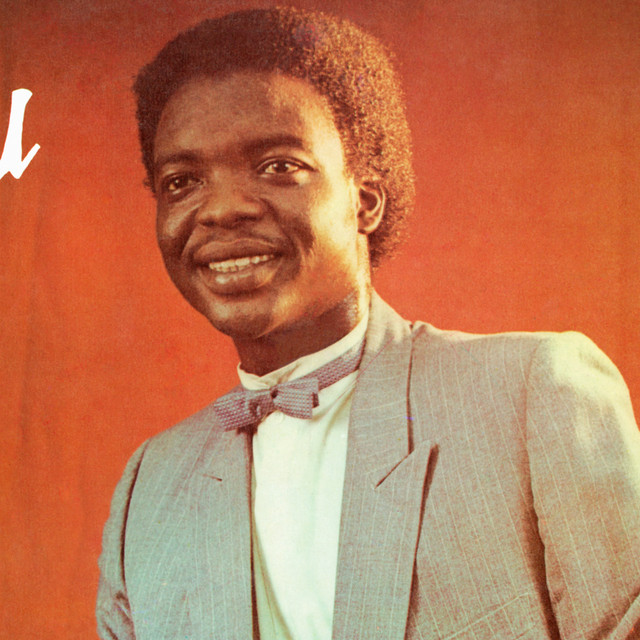
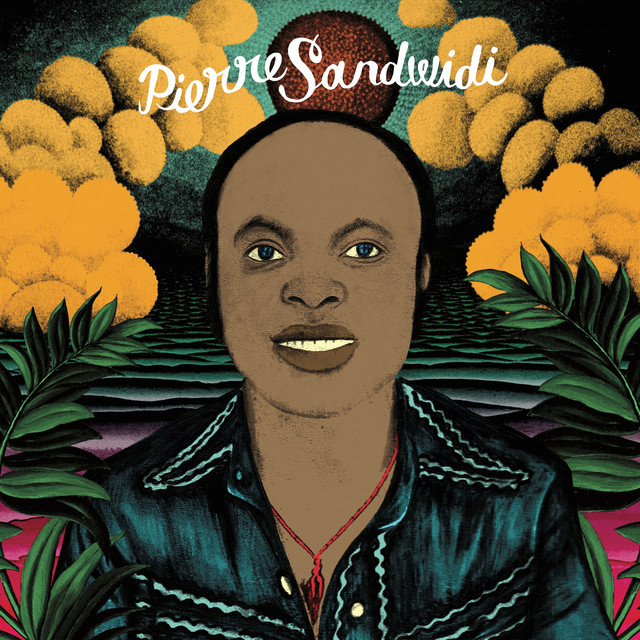
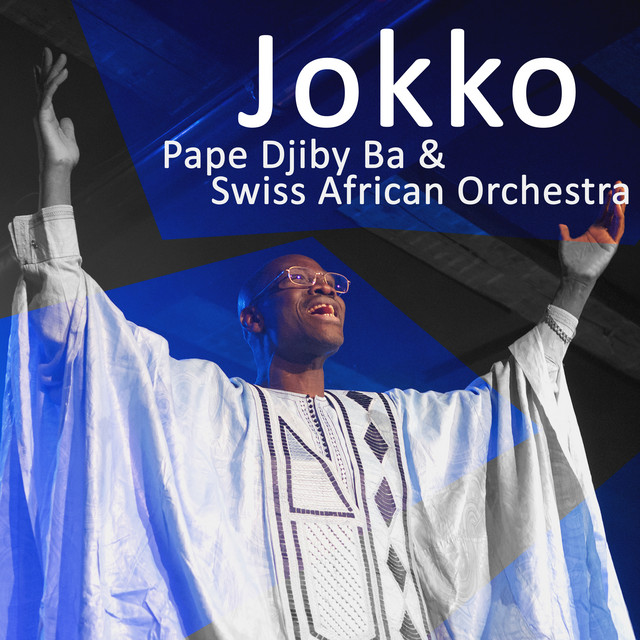
Top Afro-funk Artists
Showing 8 of 8 artists
About Afro-funk
Afro-funk is a groove-forward music genre that sits at the crossroads of funk and African popular music. Born from the late 1960s and early 1970s in West Africa, it fused the punch and horn-driven energy of American funk with Africa’s polyrhythms, call-and-response vocals, and indigenous melodic sensibilities. The scene took root in urban centers where studios, radio, and clubs fostered cross-pollination among musicians, producers, and dancers. While Afrobeat grew from Fela Kuti’s experiments, Afro-funk emerged as a sibling strand—often more dance-floor friendly and groove-dominated—sharing a core appetite for energy, rhythm, and communal celebration. In practice, Afro-funk is not a single recipe but a family resemblance that blossomed across Nigeria, Ghana, Benin, and neighboring countries.
The sound and its ingredients are generous and expressive. Records typically boast a muscular rhythm section—drums, bass, and percussion underpinning swaying guitar lines and bright horn licks. Congas or timbales may lock with the drum kit, while keyboards provide shimmering textures. Horns—trumpets, trombones, saxophones—deliver tight, punchy lines and then answer vocal chants in call-and-response. Tempos range from mid-tempo dance grooves to brisk, club-ready pulses, with extended instrumental breaks that invite improvisation. The phrasing blends Western funk’s horn-driven punch with African melodic cycles and polyrhythms, producing grooves that feel both immediately infectious and richly intricate. Lyrically, tunes celebrate resilience, joy, and social life, often in multiple languages across the region, inviting listeners to move, reflect, and participate.
Key artists and ambassadors anchor the genre’s history. In Ghana, Ebo Taylor’s guitar work fused highlife warmth with electric funk, becoming a touchstone for the era’s sound. In Nigeria, The Funkees became one of the most durable Afro-funk outfits, their dancing, guitar-chug, and brass bursts defining a generation’s groove. Osibisa—an ethnically diverse outfit formed in London with West African roots—brought Afro-funk-inflected grooves to global stages and pop radio, helping international audiences connect with West African funk forms. Beninese and Ivorian-adjacent ensembles, including Orchestra Baobab’s contemporaries, carried the groove into Afro-Latin hybrids and broadened the rhythm vocabulary. Fela Kuti’s Afrobeat, a closely related movement, remains a constant reference point—its political intensity and extended horn-driven epics shaping how many listeners understand the wider West African groove tradition.
Where it thrived and how it travels: Afro-funk’s heartland lies in Nigeria and Ghana, the places where studios, labels, and clubs nurtured the music’s development. Historic pockets in Benin and Cameroon show how ideas crossed borders, languages, and traditions. In the global era, diaspora scenes in the United Kingdom, United States, the Netherlands, and Germany carried Afro-funk into world music circles, aided by adventurous reissues and compilations from labels such as Strut, Analog Africa, and Soundway that spotlight 1970s African funk and related grooves.
Today, Afro-funk remains a living influence—fueling contemporary productions, hip-hop sampling, and electronic explorations while continuing to celebrate its exuberant, danceable essence. It is not a fixed genre so much as a timeless groove conversation, inviting new generations to hear the past’s vitality and shape it for tomorrow.
The sound and its ingredients are generous and expressive. Records typically boast a muscular rhythm section—drums, bass, and percussion underpinning swaying guitar lines and bright horn licks. Congas or timbales may lock with the drum kit, while keyboards provide shimmering textures. Horns—trumpets, trombones, saxophones—deliver tight, punchy lines and then answer vocal chants in call-and-response. Tempos range from mid-tempo dance grooves to brisk, club-ready pulses, with extended instrumental breaks that invite improvisation. The phrasing blends Western funk’s horn-driven punch with African melodic cycles and polyrhythms, producing grooves that feel both immediately infectious and richly intricate. Lyrically, tunes celebrate resilience, joy, and social life, often in multiple languages across the region, inviting listeners to move, reflect, and participate.
Key artists and ambassadors anchor the genre’s history. In Ghana, Ebo Taylor’s guitar work fused highlife warmth with electric funk, becoming a touchstone for the era’s sound. In Nigeria, The Funkees became one of the most durable Afro-funk outfits, their dancing, guitar-chug, and brass bursts defining a generation’s groove. Osibisa—an ethnically diverse outfit formed in London with West African roots—brought Afro-funk-inflected grooves to global stages and pop radio, helping international audiences connect with West African funk forms. Beninese and Ivorian-adjacent ensembles, including Orchestra Baobab’s contemporaries, carried the groove into Afro-Latin hybrids and broadened the rhythm vocabulary. Fela Kuti’s Afrobeat, a closely related movement, remains a constant reference point—its political intensity and extended horn-driven epics shaping how many listeners understand the wider West African groove tradition.
Where it thrived and how it travels: Afro-funk’s heartland lies in Nigeria and Ghana, the places where studios, labels, and clubs nurtured the music’s development. Historic pockets in Benin and Cameroon show how ideas crossed borders, languages, and traditions. In the global era, diaspora scenes in the United Kingdom, United States, the Netherlands, and Germany carried Afro-funk into world music circles, aided by adventurous reissues and compilations from labels such as Strut, Analog Africa, and Soundway that spotlight 1970s African funk and related grooves.
Today, Afro-funk remains a living influence—fueling contemporary productions, hip-hop sampling, and electronic explorations while continuing to celebrate its exuberant, danceable essence. It is not a fixed genre so much as a timeless groove conversation, inviting new generations to hear the past’s vitality and shape it for tomorrow.