Genre
crunk
Top Crunk Artists
Showing 25 of 447 artists




About Crunk
Crunk is a high-octane subgenre of Southern hip hop that emerged in the late 1990s and early 2000s, with Atlanta acting as its catalytic center. The word itself is a blend of “crazy” and “drunk” and became a rallying cry for a music that aimed to energize the floor and the crowd. Crunk’s signature is not a delicate mood but a full-throttle invitation to dance, shout, and party. Unlike more lyrically experimental branches of hip hop, crunk centers the hook, chant, and bass—things you feel as much as hear.
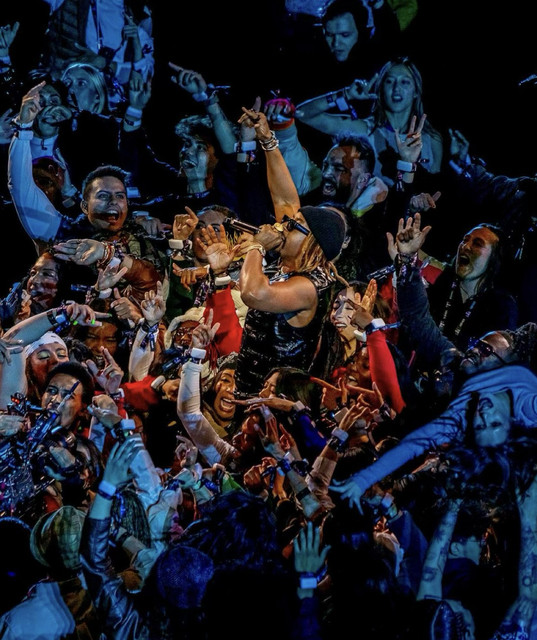
Origin and sound: The sound grew from the club circuits of the South, where producers and MCs traded ideas across independent labels and mixtapes. The production tends to favor stripped-down, funk-leaning loops, loud 808 bass, snapping drums, and urgent, punctuated chants. The rapper’s voice often rides the beat in a shouted, call-and-response style that invites the crowd to join in on the chant—“Yeah!”, “What!”, “What U Gon’ Do?” are archetypal moments. The aesthetic is designed for the dancefloor: body-shaking bass, explosive crescendos, and a sense that anything could happen when the track drops.
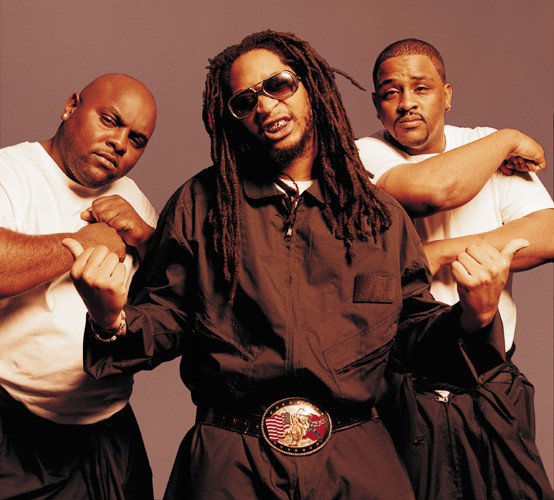
Ambassadors and landmark acts: Lil Jon, often crowned the “King of Crunk,” helped codify the sound with the East Side Boyz and later collaborations with artists across pop and hip hop. His crunk-first productions and the 2004 Crunk Juice project became a blueprint for the era. The Ying Yang Twins emerged as key figures with their high-energy calls and party rap. Three 6 Mafia, rooted in Memphis’ louder, edge-driven lineage, contributed to the loud, no-nonsense spirit that crunk inherited and propelled in the early 2000s. A defining moment came when crunk broke into the mainstream via Usher’s “Yeah!” (produced by Lil Jon) and similar club scorchers that rode radio and video charts. Collectively, these artists pulled crunk from regional clubs into wider popular consciousness and solidified its cultural footprint.
Legacy and reach: Crunk dominated club culture in the United States during the first half of the 2000s and left a lasting impact on how Southern rap sounded—more anthemic, more crowd-driven, and more bass-forward. Its energy also spread to European club scenes and global hip-hop through DJ sets, remixes, and collaborations, helping to seed the later hybrid forms like crunk-and-B and, more broadly, the high-energy trap hybrids that would define the next decade. In the late 2000s, crunk gradually blended with trap and other styles, yet the call-and-response hollers and the unabashed, party-first attitude remain a hallmark of early 21st-century Southern rap. For listeners, crunk is less a “sound” in isolation and more a moment of shared energy, a sonic club-chant that turned the act of listening into an event. In today’s discourse, crunk’s legacy appears in the way producers stage chant-driven hooks and emphasize the crowd’s participation as an essential element of the track.
Origin and sound: The sound grew from the club circuits of the South, where producers and MCs traded ideas across independent labels and mixtapes. The production tends to favor stripped-down, funk-leaning loops, loud 808 bass, snapping drums, and urgent, punctuated chants. The rapper’s voice often rides the beat in a shouted, call-and-response style that invites the crowd to join in on the chant—“Yeah!”, “What!”, “What U Gon’ Do?” are archetypal moments. The aesthetic is designed for the dancefloor: body-shaking bass, explosive crescendos, and a sense that anything could happen when the track drops.
Ambassadors and landmark acts: Lil Jon, often crowned the “King of Crunk,” helped codify the sound with the East Side Boyz and later collaborations with artists across pop and hip hop. His crunk-first productions and the 2004 Crunk Juice project became a blueprint for the era. The Ying Yang Twins emerged as key figures with their high-energy calls and party rap. Three 6 Mafia, rooted in Memphis’ louder, edge-driven lineage, contributed to the loud, no-nonsense spirit that crunk inherited and propelled in the early 2000s. A defining moment came when crunk broke into the mainstream via Usher’s “Yeah!” (produced by Lil Jon) and similar club scorchers that rode radio and video charts. Collectively, these artists pulled crunk from regional clubs into wider popular consciousness and solidified its cultural footprint.
Legacy and reach: Crunk dominated club culture in the United States during the first half of the 2000s and left a lasting impact on how Southern rap sounded—more anthemic, more crowd-driven, and more bass-forward. Its energy also spread to European club scenes and global hip-hop through DJ sets, remixes, and collaborations, helping to seed the later hybrid forms like crunk-and-B and, more broadly, the high-energy trap hybrids that would define the next decade. In the late 2000s, crunk gradually blended with trap and other styles, yet the call-and-response hollers and the unabashed, party-first attitude remain a hallmark of early 21st-century Southern rap. For listeners, crunk is less a “sound” in isolation and more a moment of shared energy, a sonic club-chant that turned the act of listening into an event. In today’s discourse, crunk’s legacy appears in the way producers stage chant-driven hooks and emphasize the crowd’s participation as an essential element of the track.