Genre
aghani lil-atfal
Top Aghani lil-atfal Artists
Showing 25 of 31 artists


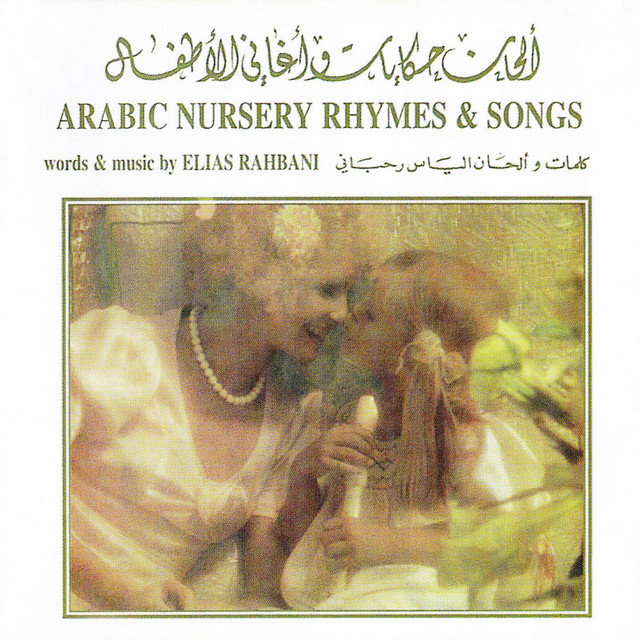


About Aghani lil-atfal
Aghani lil-atfal, literally “songs for children” in Arabic, is a long-standing and affectionate branch of the region’s musical landscape. It encompasses lullabies, nursery rhymes, educational tunes, and playful ditties designed to entertain, teach, and soothe young listeners. While the exact catalog of songs varies by country and era, the genre shares a common purpose: to shape language, memory, and cultural identity through simple melodies, memorable refrains, and lyrics that speak to the world of a child.
Origins and evolution
The roots of aghani lil-atfal lie in deep oral traditions—lullabies, rhymes, and folk tunes passed from one generation to the next. In many Arab communities, children learned through repetition, call-and-response chants, and participatory singing. As the 20th century arrived and mass media expanded, a more formal scaffold for children’s music emerged. State radio, later television, school curricula, and national campaigns for literacy and civic education helped codify and disseminate a repertoire of songs aimed at schooling, celebration, and social values. This shift transformed the genre from primarily oral, local material into a mosaic of regional pieces that could travel across borders while retaining local flavor.
Musical characteristics
Aghani lil-atfal tends toward clarity and accessibility. Melodies are often straightforward and easy to sing, with repetitive sections and catchy hooks that invite participation. Harmonic progressions lean toward major keys and simple progressions, so children can anticipate the next line and join in. Lyrics emphasize everyday life, family, friendship, moral lessons, and curiosity about the world, sometimes weaving in basic counting, numbers, or alphabet elements. Instrumentation ranges from traditional ensembles—oud, qanun, ney, darbuka—to modern arrangements with piano, accordion, and light percussion. The genre often blends educational intent with entertainment, using humor, character-driven storytelling, or fantastical imagery to engage young audiences.
Ambassadors, artists, and regional reach
Because aghani lil-atfal is a broad, regional tradition rather than a single stylistic movement, there is no universally agreed list of “key artists.” Ambassadors of the genre are typically those who have dedicated significant portions of their work to children’s music or to school and broadcast programming for young listeners. In practice, this means composers, performers, and producers who created beloved school songs, radio and TV programs, and integrated children’s music into educational curricula. Regional variations abound: some countries valorize traditional lullabies and folk-inflected tunes, while others curate contemporary, globally influenced children’s albums that sit alongside local classics. In many places, the genre’s major ambassadors are the creators behind national school-song anthologies, children’s choirs, and the musical segments of children’s television—figures whose work becomes part of a country’s collective childhood soundscape.
Global and local flavors
Today’s aghani lil-atfal is a living genre: it honors tradition while absorbing pop sensibilities, digital production, and multilingual influences. It remains most popular in Arabic-speaking communities where schools, broadcasters, and family life continue to value accessible, participatory music for children. For enthusiasts, exploring regional archives—old radio programs, school songbooks, and children’s television repertoires—reveals a tapestry of songs that celebrate language, culture, and the universal joy of singing together.
If you’d like, I can tailor this description to a specific country or era and include concrete artist names and examples from that region.
Origins and evolution
The roots of aghani lil-atfal lie in deep oral traditions—lullabies, rhymes, and folk tunes passed from one generation to the next. In many Arab communities, children learned through repetition, call-and-response chants, and participatory singing. As the 20th century arrived and mass media expanded, a more formal scaffold for children’s music emerged. State radio, later television, school curricula, and national campaigns for literacy and civic education helped codify and disseminate a repertoire of songs aimed at schooling, celebration, and social values. This shift transformed the genre from primarily oral, local material into a mosaic of regional pieces that could travel across borders while retaining local flavor.
Musical characteristics
Aghani lil-atfal tends toward clarity and accessibility. Melodies are often straightforward and easy to sing, with repetitive sections and catchy hooks that invite participation. Harmonic progressions lean toward major keys and simple progressions, so children can anticipate the next line and join in. Lyrics emphasize everyday life, family, friendship, moral lessons, and curiosity about the world, sometimes weaving in basic counting, numbers, or alphabet elements. Instrumentation ranges from traditional ensembles—oud, qanun, ney, darbuka—to modern arrangements with piano, accordion, and light percussion. The genre often blends educational intent with entertainment, using humor, character-driven storytelling, or fantastical imagery to engage young audiences.
Ambassadors, artists, and regional reach
Because aghani lil-atfal is a broad, regional tradition rather than a single stylistic movement, there is no universally agreed list of “key artists.” Ambassadors of the genre are typically those who have dedicated significant portions of their work to children’s music or to school and broadcast programming for young listeners. In practice, this means composers, performers, and producers who created beloved school songs, radio and TV programs, and integrated children’s music into educational curricula. Regional variations abound: some countries valorize traditional lullabies and folk-inflected tunes, while others curate contemporary, globally influenced children’s albums that sit alongside local classics. In many places, the genre’s major ambassadors are the creators behind national school-song anthologies, children’s choirs, and the musical segments of children’s television—figures whose work becomes part of a country’s collective childhood soundscape.
Global and local flavors
Today’s aghani lil-atfal is a living genre: it honors tradition while absorbing pop sensibilities, digital production, and multilingual influences. It remains most popular in Arabic-speaking communities where schools, broadcasters, and family life continue to value accessible, participatory music for children. For enthusiasts, exploring regional archives—old radio programs, school songbooks, and children’s television repertoires—reveals a tapestry of songs that celebrate language, culture, and the universal joy of singing together.
If you’d like, I can tailor this description to a specific country or era and include concrete artist names and examples from that region.