Genre
ainu folk
Top Ainu folk Artists
Showing 15 of 15 artists
2

加納沖
59
88 listeners

9

手塚日南人
28
2 listeners
13
ハレ・ダイスケ
12
- listeners
14
安東ウメ子
127
- listeners
About Ainu folk
Ainu folk is the living thread of music carried by the Ainu people of Hokkaido and their communities in the surrounding regions. It is both an ancient oral tradition and a dynamic, evolving art form that absorbs new influences while staying rooted in a distinctive relationship with nature, spirits, and daily life. For music enthusiasts, Ainu folk offers a rare combination of ceremonial depth, melodic openness, and tactile timbres that feel almost tactile—wood, breath, and skin speaking through the body of the instrument and the voice.
Historically, Ainu music grew out of everyday tasks, seasonal cycles, and ritual ceremonies. The epic Yukar, sung in Ainu, preserves hero tales and cosmology through long, chant-like narratives that function as cultural memory. Shorter songs called Upopo accompany work, dances, and social gatherings, often built around communal calls and responsive, harmonized singing. Across both forms, the language—Ainu—is a central aesthetic, conferring a particular cadency and emotional color that is inseparable from the music itself. Themes frequently celebrate kami (spirits), animals, rivers, mountains, and the changing seasons, emphasizing reciprocity with the natural world.
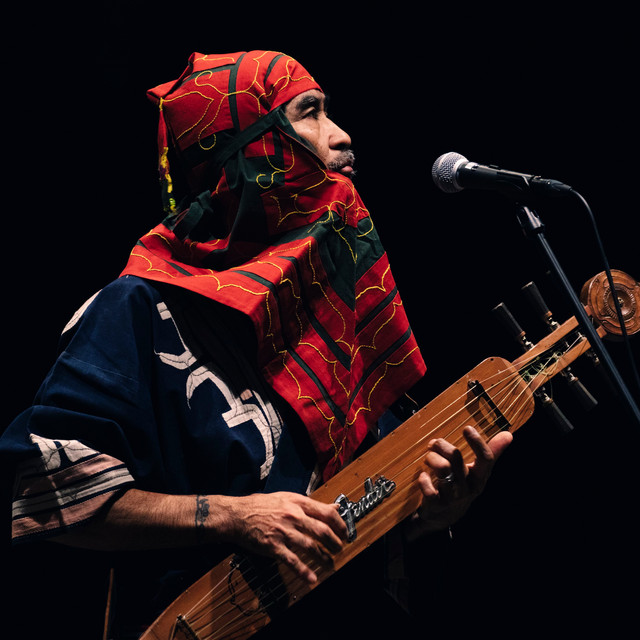
Two instruments define the sonic silhouette of Ainu folk in a way that is instantly recognizable to listeners: the tonkori and the mukkuri. The tonkori is a five-string (occasionally more) zither-like instrument plucked to produce shimmering drones and melodic lines. Its wide, resonant timbre blends beautifully with other textures, making it a favored vehicle for both traditional performances and contemporary fusions. The mukkuri is a small mouth harp, played by placing the instrument in the mouth and plucking the fixed reed with the fingers, yielding a bright, intimate, almost chant-like quality. Together, these instruments create a soundscape that can be spare and hypnotic or richly layered, depending on arrangement.
In recent decades, Ainu folk has seen a revival and international curiosity that goes beyond ethnographic interest. Traditional performance remains a vital anchor—especially through Yukar chanters and regional ensembles—but a new generation of artists has begun to blend tonkori, mukkuri, and Ainu song with ambient textures, world music choreography, and indie folk sensibilities. This cross-pollination has helped bring Ainu music to festivals and listening rooms far from its Hokkaido roots, attracting enthusiasts of exploration-safe, heart-forward acoustic music as well as scholars of indigenous sound practices.
Geographically, Ainu folk is most deeply rooted in Japan—primarily Hokkaido—where communities continue to practice and teach these traditions. It has also reached audiences in neighboring Sakhalin and Kuril Island regions in Russia, and, through world music circuits, listeners in Europe and North America who seek authentic regional sounds and the conditions that nurture them. The genre’s ambassadors, in the broadest sense, include traditional Yukar singers and tonkori players who keep the ancestral voice alive, along with contemporary artists who reimagine these forms for modern stages and listening formats. Their work demonstrates that Ainu folk remains a living, adaptable conversation between past and present.
For newcomers, a good entry is to listen for the tactile, resonant qualities of tonkori drones against intimate mukkuri figures, paired with the ceremonial cadence of Yukar-inspired chanting or Upopo-based chorus. For seasoned listeners, the thrill lies in tracing how the music reflects Ainu cosmology, seasonal cycles, and a resilient cultural memory, all while inviting fresh textures and ideas into the sound. Ainu folk is not a relic; it is a living practice that invites curious ears to hear the old and the new speaking in the same breath. If you’d like, I can tailor a listening list with specific artists and recordings that illustrate these strands.
Historically, Ainu music grew out of everyday tasks, seasonal cycles, and ritual ceremonies. The epic Yukar, sung in Ainu, preserves hero tales and cosmology through long, chant-like narratives that function as cultural memory. Shorter songs called Upopo accompany work, dances, and social gatherings, often built around communal calls and responsive, harmonized singing. Across both forms, the language—Ainu—is a central aesthetic, conferring a particular cadency and emotional color that is inseparable from the music itself. Themes frequently celebrate kami (spirits), animals, rivers, mountains, and the changing seasons, emphasizing reciprocity with the natural world.
Two instruments define the sonic silhouette of Ainu folk in a way that is instantly recognizable to listeners: the tonkori and the mukkuri. The tonkori is a five-string (occasionally more) zither-like instrument plucked to produce shimmering drones and melodic lines. Its wide, resonant timbre blends beautifully with other textures, making it a favored vehicle for both traditional performances and contemporary fusions. The mukkuri is a small mouth harp, played by placing the instrument in the mouth and plucking the fixed reed with the fingers, yielding a bright, intimate, almost chant-like quality. Together, these instruments create a soundscape that can be spare and hypnotic or richly layered, depending on arrangement.
In recent decades, Ainu folk has seen a revival and international curiosity that goes beyond ethnographic interest. Traditional performance remains a vital anchor—especially through Yukar chanters and regional ensembles—but a new generation of artists has begun to blend tonkori, mukkuri, and Ainu song with ambient textures, world music choreography, and indie folk sensibilities. This cross-pollination has helped bring Ainu music to festivals and listening rooms far from its Hokkaido roots, attracting enthusiasts of exploration-safe, heart-forward acoustic music as well as scholars of indigenous sound practices.
Geographically, Ainu folk is most deeply rooted in Japan—primarily Hokkaido—where communities continue to practice and teach these traditions. It has also reached audiences in neighboring Sakhalin and Kuril Island regions in Russia, and, through world music circuits, listeners in Europe and North America who seek authentic regional sounds and the conditions that nurture them. The genre’s ambassadors, in the broadest sense, include traditional Yukar singers and tonkori players who keep the ancestral voice alive, along with contemporary artists who reimagine these forms for modern stages and listening formats. Their work demonstrates that Ainu folk remains a living, adaptable conversation between past and present.
For newcomers, a good entry is to listen for the tactile, resonant qualities of tonkori drones against intimate mukkuri figures, paired with the ceremonial cadence of Yukar-inspired chanting or Upopo-based chorus. For seasoned listeners, the thrill lies in tracing how the music reflects Ainu cosmology, seasonal cycles, and a resilient cultural memory, all while inviting fresh textures and ideas into the sound. Ainu folk is not a relic; it is a living practice that invites curious ears to hear the old and the new speaking in the same breath. If you’d like, I can tailor a listening list with specific artists and recordings that illustrate these strands.