Genre
maloya
Top Maloya Artists
Showing 25 of 189 artists








About Maloya
Maloya is a music genre born on Réunion, the French island in the Indian Ocean, out of a cradle of memory, ritual, and resistance. It emerged among enslaved African, Malagasy, and Indian communities who built a creole culture on the island from the 17th century onward. Originally performed as part of ritual ceremonies, funerals, and social gatherings, maloya served as a way to preserve ancestral memory, express collective sorrow, and assert identity under colonial rule. Its social and spiritual dimensions—chant, trance-like calls, and the healing cadence of drums—made it more than music: it was a living archive of a people’s endurance.
Musically, maloya is characterized by powerful, often polyphonic vocal work set over a percussive bed of traditional instruments. The call-and-response structure invites participation and dialogue, turning performances into communal experiences. Lyrically, songs address memory of slavery, daily life, love, social issues, and aspirations for freedom. The language most commonly used is Réunion Creole, which gives maloya its intimate, direct voice. The percussion toolkit is iconic: the kayamb, a rhythmic basket typically filled with seeds or shells that is shaken or tapped; the roulèr, a tall, waist-mounted drum struck with sticks; and other hand percussion that together create dense, hypnotic grooves. This instrumental palette, combined with the fervent vocal delivery, gives maloya its unmistakable, earthy pulse.
For much of the 20th century, maloya faced suppression from colonial authorities who associated it with political dissent and Creole identity. It endured in workshops, rural performances, and private gatherings, gradually reemerging in public life as Réunion’s social and cultural landscape evolved. The revival gathered force in the 1980s and 1990s, with bands like Ziskakan and a new generation of singers and composers who fused traditional maloya with contemporary forms. This revival not only preserved the repertoire but expanded its reach, introducing listeners to a broader sound palette and a modern sensibility while honoring its roots.
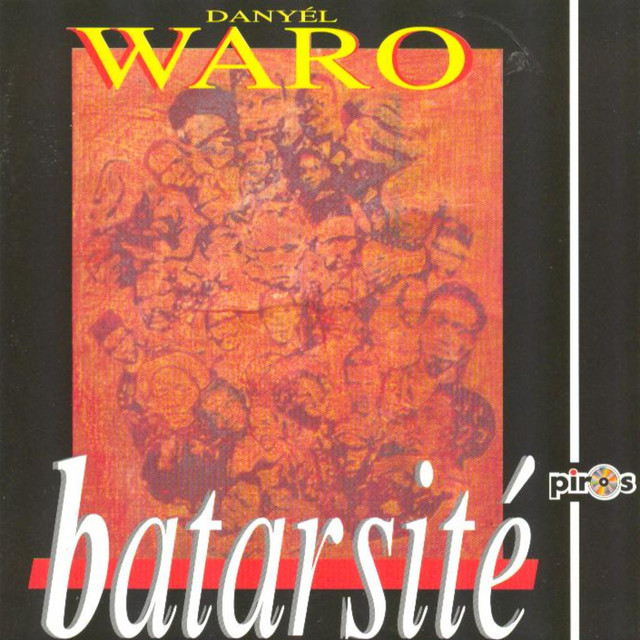
Among the genre’s most influential ambassadors are Danyèl Waro, whose work blends ancient maloya with poetry, social critique, and spiritual themes; and the legendary ensemble Ziskakan, whose performances helped define the modern maloya sound. These artists and groups have become emblematic of maloya’s resilience and its capacity to evolve without losing its essential essence: a community’s voice carried through rhythm and chant.
Today, maloya is most strongly associated with Réunion, where it remains a cornerstone of cultural life and identity. It has also gained international attention, circulating in France and across world-music circuits, and it resonates with listeners in the wider Indian Ocean diaspora and beyond. UNESCO’s recognition of maloya as intangible cultural heritage in 2009 helped elevate its profile and underscored its significance as a living, evolving tradition.
For enthusiasts, maloya offers a rich listening experience: listen for the layering of voices, the tactile texture of kayamb and roulèr, and the way the call-and-response structure invites participation, as if the listener becomes part of the chorus. It’s a music of memory, resilience, and communal energy that continues to speak to new generations while remaining deeply rooted in Réunion’s unique history.
Musically, maloya is characterized by powerful, often polyphonic vocal work set over a percussive bed of traditional instruments. The call-and-response structure invites participation and dialogue, turning performances into communal experiences. Lyrically, songs address memory of slavery, daily life, love, social issues, and aspirations for freedom. The language most commonly used is Réunion Creole, which gives maloya its intimate, direct voice. The percussion toolkit is iconic: the kayamb, a rhythmic basket typically filled with seeds or shells that is shaken or tapped; the roulèr, a tall, waist-mounted drum struck with sticks; and other hand percussion that together create dense, hypnotic grooves. This instrumental palette, combined with the fervent vocal delivery, gives maloya its unmistakable, earthy pulse.
For much of the 20th century, maloya faced suppression from colonial authorities who associated it with political dissent and Creole identity. It endured in workshops, rural performances, and private gatherings, gradually reemerging in public life as Réunion’s social and cultural landscape evolved. The revival gathered force in the 1980s and 1990s, with bands like Ziskakan and a new generation of singers and composers who fused traditional maloya with contemporary forms. This revival not only preserved the repertoire but expanded its reach, introducing listeners to a broader sound palette and a modern sensibility while honoring its roots.
Among the genre’s most influential ambassadors are Danyèl Waro, whose work blends ancient maloya with poetry, social critique, and spiritual themes; and the legendary ensemble Ziskakan, whose performances helped define the modern maloya sound. These artists and groups have become emblematic of maloya’s resilience and its capacity to evolve without losing its essential essence: a community’s voice carried through rhythm and chant.
Today, maloya is most strongly associated with Réunion, where it remains a cornerstone of cultural life and identity. It has also gained international attention, circulating in France and across world-music circuits, and it resonates with listeners in the wider Indian Ocean diaspora and beyond. UNESCO’s recognition of maloya as intangible cultural heritage in 2009 helped elevate its profile and underscored its significance as a living, evolving tradition.
For enthusiasts, maloya offers a rich listening experience: listen for the layering of voices, the tactile texture of kayamb and roulèr, and the way the call-and-response structure invites participation, as if the listener becomes part of the chorus. It’s a music of memory, resilience, and communal energy that continues to speak to new generations while remaining deeply rooted in Réunion’s unique history.