Genre
albanian hip hop
Top Albanian hip hop Artists
Showing 25 of 80 artists








About Albanian hip hop
Albanian hip hop is one of the Balkan region’s most dynamic and culturally layered music scenes. It began to take shape in the 1990s, emerging in Albania and spreading through the Albanian diaspora in Western Europe after the fall of communism opened new channels for musical exchange. Early crews and solo MCs fused the raw energy of U.S. hip hop with Balkan storytelling, street slang, and a sense of social immediacy. The result was a sound that could travel across dialects and borders, laying the groundwork for a distinctly Albanian approach to rap.
Linguistically, Albanian hip hop centers on the Albanian language, often weaving between the two major dialects, Gheg and Tosk, and sometimes incorporating English phrases or regional slang. Musically, the genre has explored a wide spectrum: drum-heavy beats and trap-influenced production in the 2010s, dancehall rhythms, melodic hooks, and samples drawn from regional folk textures or contemporary pop. Lyrically, tracks frequently address migration, economic hardship, family and community, identity, everyday resilience, and the tension between tradition and modern urban life. The genre’s storytelling tends to be personal and socially conscious, but it also thrives on catchy, club-ready melodies that invite broad audiences to engage.
The scene matured through cross-border collaboration. In Kosovo, North Macedonia, and Albania alike, artists built networks with producers, DJs, and labels that can activate a regional ecosystem of releases, videos, and live shows. The Balkan diaspora—especially in Switzerland, Germany, Italy, and the United Kingdom—helped propel Albanian hip hop beyond national borders, turning it into a global conversation while keeping a strong local heartbeat. This diasporic flow also brought together a wider range of influences, from European urban styles to Caribbean-influenced rhythms, all filtered through Albanian lyricism and sensibilities.
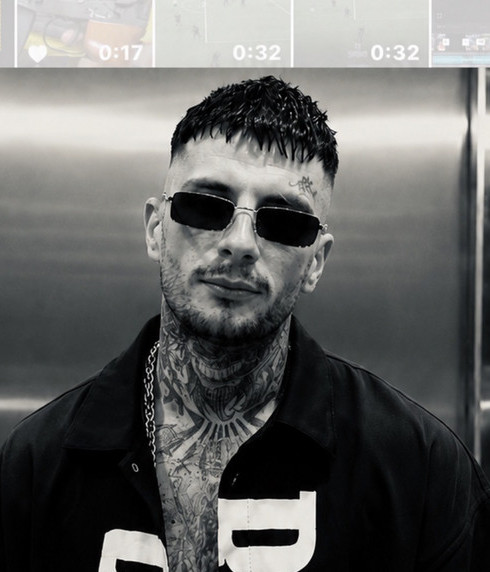
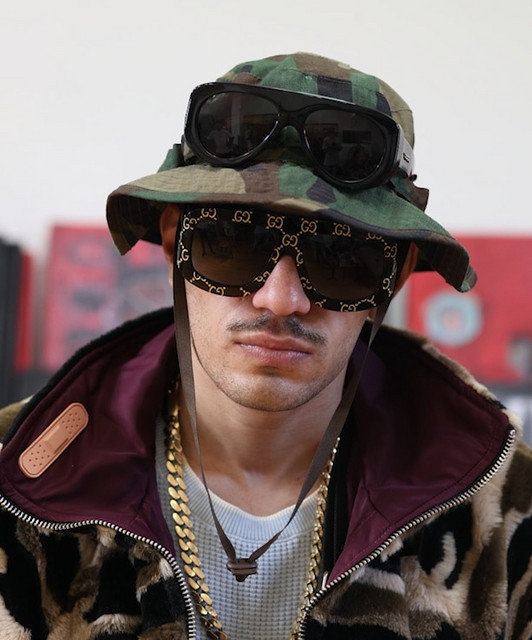
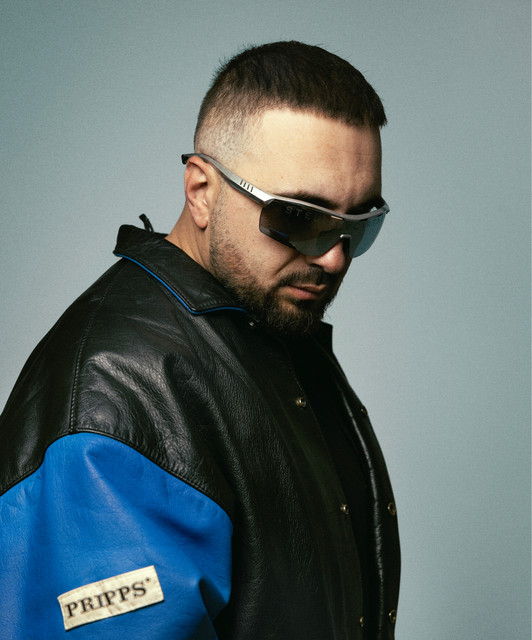
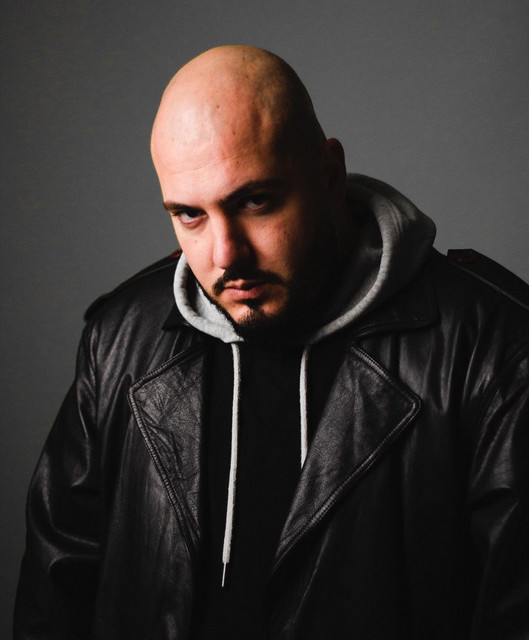
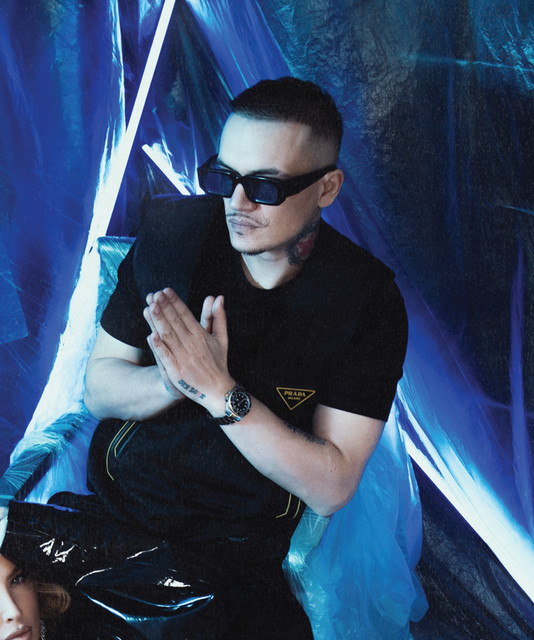
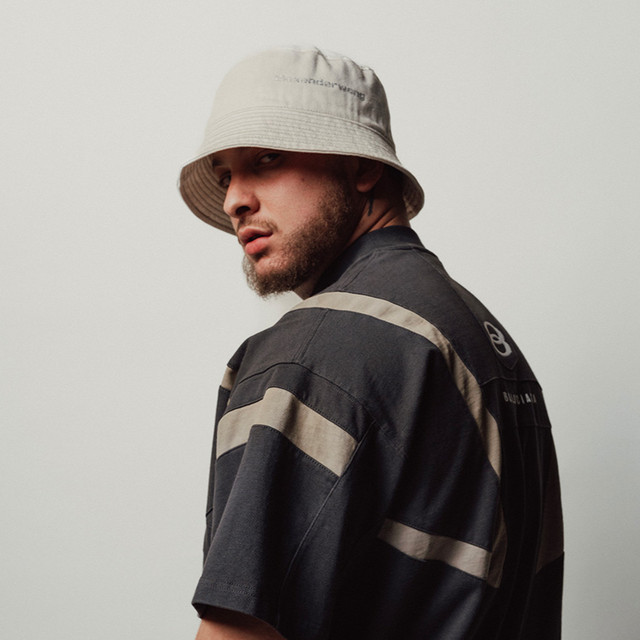
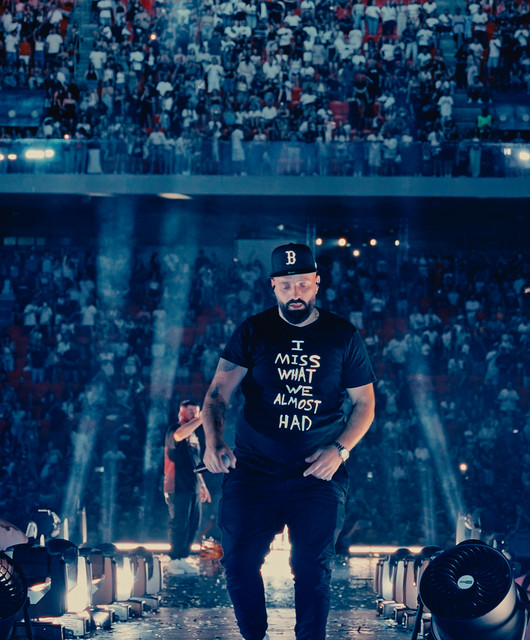
Today’s Albanian hip hop is driven by a set of widely recognized ambassadors who helped bring the sound to larger audiences. Names that often surface as flag-bearers include Noizy, Mozzik, Capital T, Ledri Vula, and Stresi. Each has helped expand the genre’s reach through high-energy tracks, collaborations with artists from neighboring regions, and festival or stadium-worthy performances. Their work demonstrates how Albanian rap can sit comfortably on the world stage while staying rooted in a distinctly Albanian voice.
Geographically, Albanian hip hop has its strongest footprints in Albania and Kosovo, with substantial audiences in North Macedonia and Montenegro where Albanian-speaking communities reside. The genre also flourishes in urban centers across Switzerland, Germany, Italy, and the UK, where immigrant and second-generation Albanian artists contribute to a vibrant, multilingual scene. In the 2020s, the genre continues to intersect with pop, R&B, and dancehall, often featuring crossover collaborations that broaden appeal without diluting its core identity.
For enthusiasts, exploring Albanian hip hop means listening for crisp storytelling, flexible rhyme schemes, and a knack for balancing gritty street life with melodic hooks. It’s a music that travels well—across borders, languages, and genres—yet remains unmistakably Albanian in voice and vision.
Linguistically, Albanian hip hop centers on the Albanian language, often weaving between the two major dialects, Gheg and Tosk, and sometimes incorporating English phrases or regional slang. Musically, the genre has explored a wide spectrum: drum-heavy beats and trap-influenced production in the 2010s, dancehall rhythms, melodic hooks, and samples drawn from regional folk textures or contemporary pop. Lyrically, tracks frequently address migration, economic hardship, family and community, identity, everyday resilience, and the tension between tradition and modern urban life. The genre’s storytelling tends to be personal and socially conscious, but it also thrives on catchy, club-ready melodies that invite broad audiences to engage.
The scene matured through cross-border collaboration. In Kosovo, North Macedonia, and Albania alike, artists built networks with producers, DJs, and labels that can activate a regional ecosystem of releases, videos, and live shows. The Balkan diaspora—especially in Switzerland, Germany, Italy, and the United Kingdom—helped propel Albanian hip hop beyond national borders, turning it into a global conversation while keeping a strong local heartbeat. This diasporic flow also brought together a wider range of influences, from European urban styles to Caribbean-influenced rhythms, all filtered through Albanian lyricism and sensibilities.
Today’s Albanian hip hop is driven by a set of widely recognized ambassadors who helped bring the sound to larger audiences. Names that often surface as flag-bearers include Noizy, Mozzik, Capital T, Ledri Vula, and Stresi. Each has helped expand the genre’s reach through high-energy tracks, collaborations with artists from neighboring regions, and festival or stadium-worthy performances. Their work demonstrates how Albanian rap can sit comfortably on the world stage while staying rooted in a distinctly Albanian voice.
Geographically, Albanian hip hop has its strongest footprints in Albania and Kosovo, with substantial audiences in North Macedonia and Montenegro where Albanian-speaking communities reside. The genre also flourishes in urban centers across Switzerland, Germany, Italy, and the UK, where immigrant and second-generation Albanian artists contribute to a vibrant, multilingual scene. In the 2020s, the genre continues to intersect with pop, R&B, and dancehall, often featuring crossover collaborations that broaden appeal without diluting its core identity.
For enthusiasts, exploring Albanian hip hop means listening for crisp storytelling, flexible rhyme schemes, and a knack for balancing gritty street life with melodic hooks. It’s a music that travels well—across borders, languages, and genres—yet remains unmistakably Albanian in voice and vision.