Genre
algerian chaabi
Top Algerian chaabi Artists
Showing 25 of 100 artists








About Algerian chaabi
Algerian chaabi is the pulsating, everyday-mirror of life in urban Algeria. Born in the bustling neighborhoods of Algiers—especially the Casbah—during the 1930s, it grew from the people’s need to sing about love, work, struggle, and memory in a rapidly changing world. Chaabi is not a single pristine tradition but a living ecosystem that absorbed Andalusian classical roots, Bedouin cadence, and the rhythms of city life, then shifted with each generation. It flourished as a mass art form in the decades surrounding and following independence, becoming the soundtrack of social life, weddings, markets, and street performances.
Musically, chaabi sits at the crossroads between refined courtly song and the raw warmth of folk expression. Its lineage traces back to al-Andalusian traditions (often linked to Maghrebi Malouf) but quickly adapted to the street: call-and-response voices, improvisation, spoken-word poetic interludes, and a preference for Arabic Darja lyrics that spoke directly to everyday listeners. Instrumentation historically favors the strong, intimate colors of the mandole (a stringed mandolin), accordion, qanun or violin, and percussion such as darbuka or bendir. In older recordings you’ll hear a tightly knit ensemble where singers lead, with melodic support from strings and percussive fill from rhythm players. In modern revivals, chaabi sometimes blends electric guitar, keyboards, and other contemporary textures, but the spirit remains anchored in communal singing and direct storytelling.
Two elements define the traditional chaabi ethos: a strong sense of place and a poetic voice that speaks plainly about life’s joys and woes. Lyrics often revolve around love and longing, family ties, the city’s social fabric, and resistance to hardship. The songs are designed for shared listening, whether in a crowded café, a wedding hall, or a street corner, inviting the audience to participate, clap, and sing along.
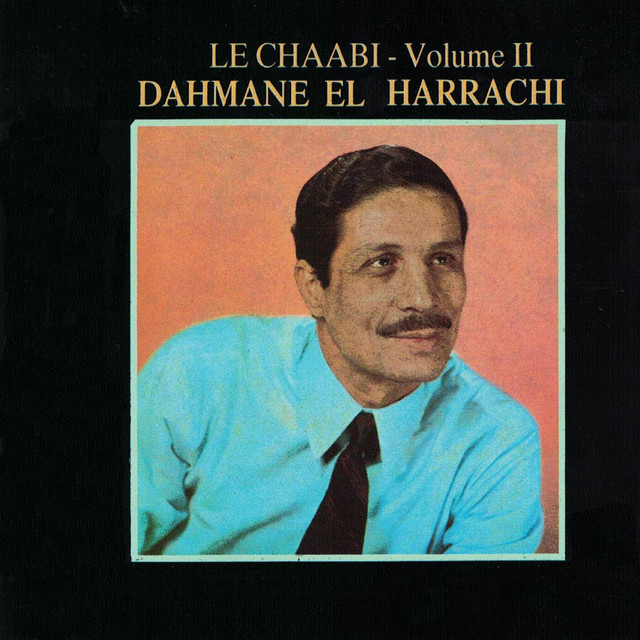
Among the genre’s most celebrated ambassadors are Hadj M’hamed El Anka, whom many regard as a founding father of modern chaabi for shaping its urban, accessible voice; Dahmane El Harachi, whose work in the mid-20th century elevated chaabi to a national mood and whose repertoire includes the much-loved “Ya Rayah”—a tune later popularized globally by Rachid Taha; and Hachemi Guerouabi, whose emotive delivery and poetic wit helped define a more introspective, sophisticated strand of chaabi in the late 20th century. These artists—along with a long line of singers and composers—are the compass points of the genre, guiding new listeners through its emotional geography.
Chaabi remains profoundly popular in Algeria and in North Africa, but its reach extends far beyond. In France, where large Algerian communities have long lived, chaabi is a core cultural current, living side by side with other diasporic sounds. It also finds audiences across Europe, in Canada, the United States, and in countries with Algerian and Maghrebi diasporas. For enthusiasts, chaabi offers a doorway into a city’s heart: its streets, its celebrations, and its enduring memory of a people who sing to keep their stories alive.
Musically, chaabi sits at the crossroads between refined courtly song and the raw warmth of folk expression. Its lineage traces back to al-Andalusian traditions (often linked to Maghrebi Malouf) but quickly adapted to the street: call-and-response voices, improvisation, spoken-word poetic interludes, and a preference for Arabic Darja lyrics that spoke directly to everyday listeners. Instrumentation historically favors the strong, intimate colors of the mandole (a stringed mandolin), accordion, qanun or violin, and percussion such as darbuka or bendir. In older recordings you’ll hear a tightly knit ensemble where singers lead, with melodic support from strings and percussive fill from rhythm players. In modern revivals, chaabi sometimes blends electric guitar, keyboards, and other contemporary textures, but the spirit remains anchored in communal singing and direct storytelling.
Two elements define the traditional chaabi ethos: a strong sense of place and a poetic voice that speaks plainly about life’s joys and woes. Lyrics often revolve around love and longing, family ties, the city’s social fabric, and resistance to hardship. The songs are designed for shared listening, whether in a crowded café, a wedding hall, or a street corner, inviting the audience to participate, clap, and sing along.
Among the genre’s most celebrated ambassadors are Hadj M’hamed El Anka, whom many regard as a founding father of modern chaabi for shaping its urban, accessible voice; Dahmane El Harachi, whose work in the mid-20th century elevated chaabi to a national mood and whose repertoire includes the much-loved “Ya Rayah”—a tune later popularized globally by Rachid Taha; and Hachemi Guerouabi, whose emotive delivery and poetic wit helped define a more introspective, sophisticated strand of chaabi in the late 20th century. These artists—along with a long line of singers and composers—are the compass points of the genre, guiding new listeners through its emotional geography.
Chaabi remains profoundly popular in Algeria and in North Africa, but its reach extends far beyond. In France, where large Algerian communities have long lived, chaabi is a core cultural current, living side by side with other diasporic sounds. It also finds audiences across Europe, in Canada, the United States, and in countries with Algerian and Maghrebi diasporas. For enthusiasts, chaabi offers a doorway into a city’s heart: its streets, its celebrations, and its enduring memory of a people who sing to keep their stories alive.