Genre
alt-idol
Top Alt-idol Artists
Showing 25 of 58 artists
1

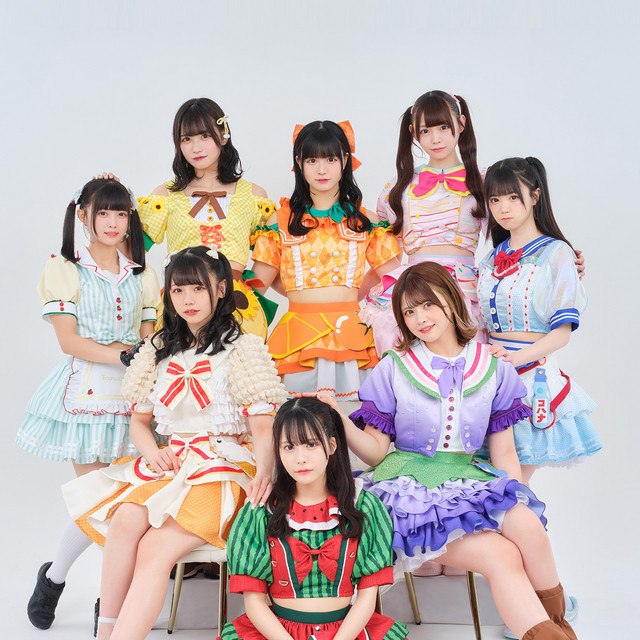
シンデレラ宣言!
Japan
5,843
8,567 listeners
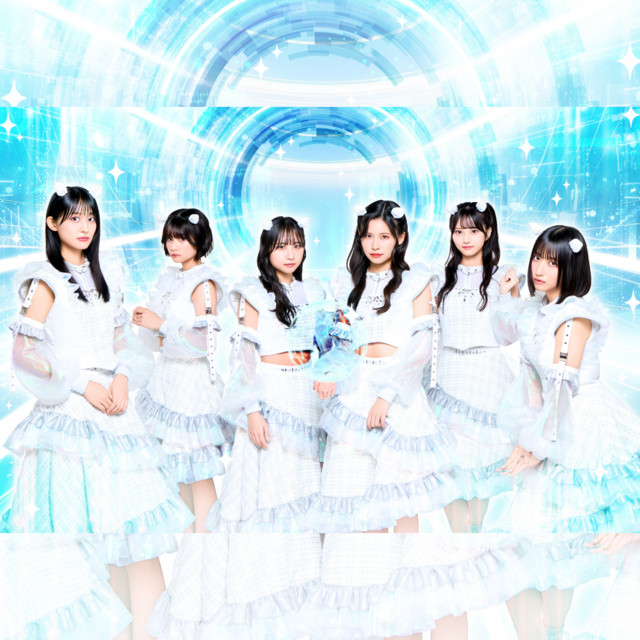
4
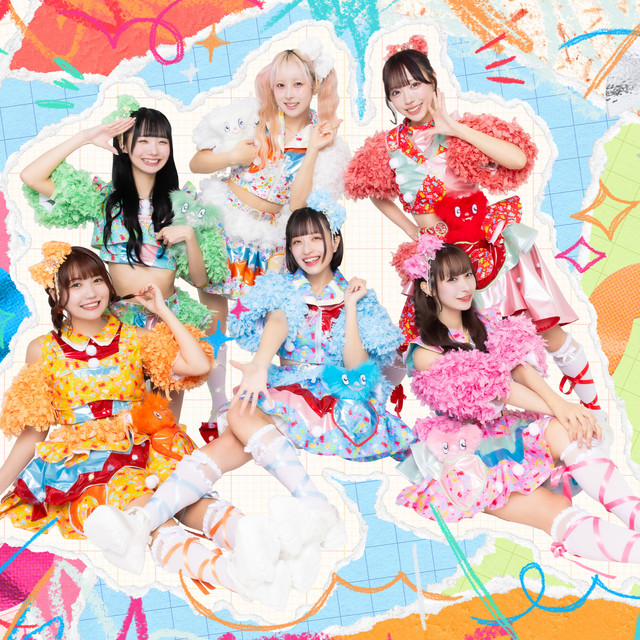
クマリデパート
Japan
6,118
3,878 listeners
5
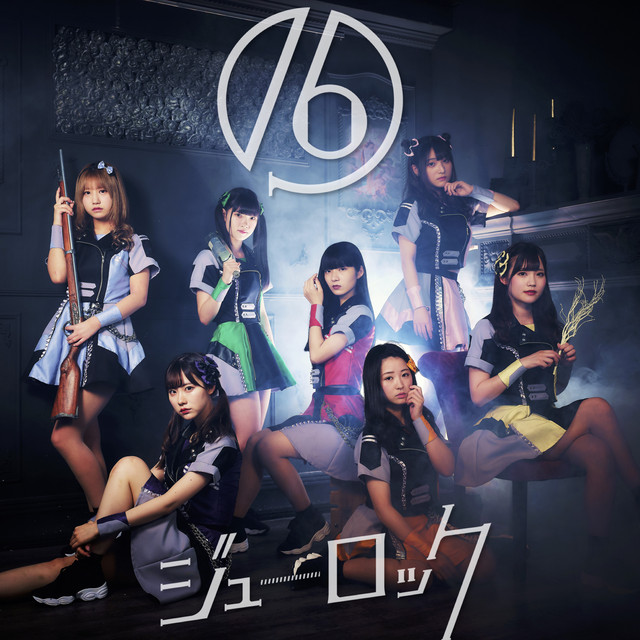
#ジューロック
1,819
3,000 listeners
6

雨模様のソラリス
2,841
1,609 listeners
7

美味しい曖昧
Japan
2,252
1,401 listeners
10

トナリア
Japan
635
1,138 listeners

14

ユレルランドスケープ
Japan
872
899 listeners

19
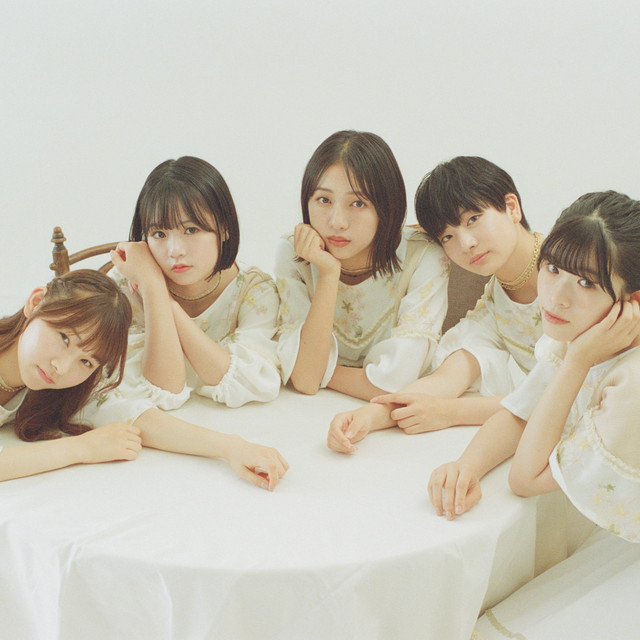
開歌-かいか-
Japan
2,803
475 listeners
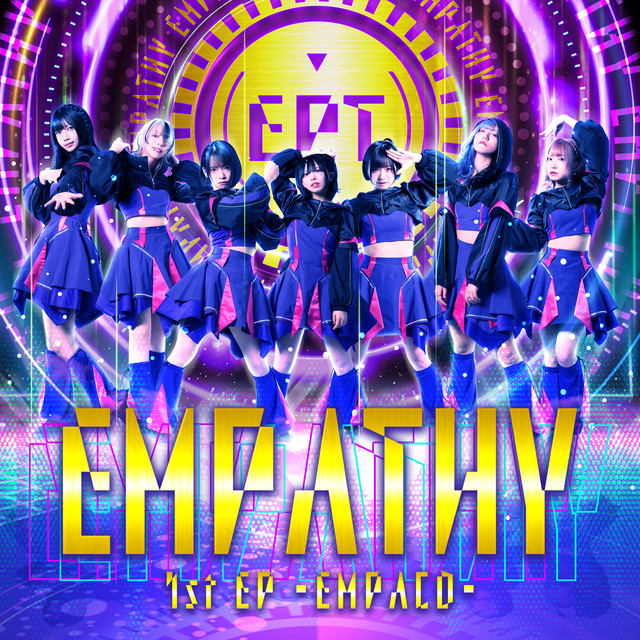

22

ワールズエンド。
Japan
1,161
304 listeners


25
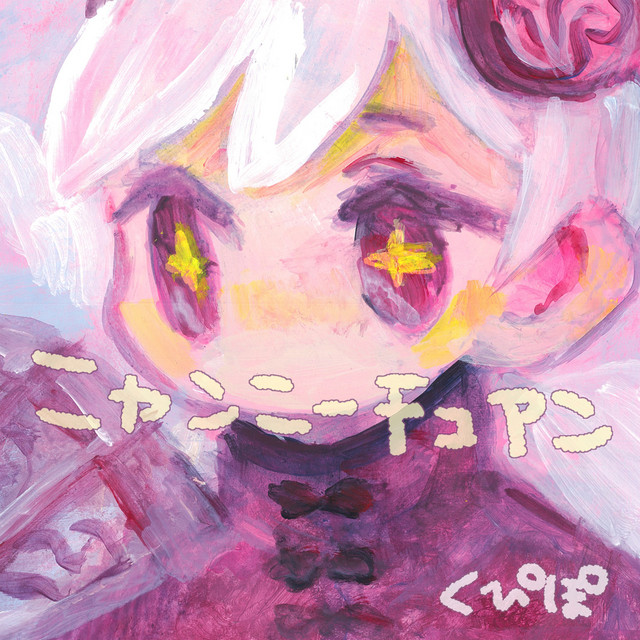
くぴぽ
Japan
798
232 listeners
About Alt-idol
Alt-idol, short for alternative idol, is a branch of the Japanese idol ecosystem that treats audience expectations as a starting point rather than a rule. It blends the glamour and choreography of idol culture with punk energy, experimental electronics, noise textures, and conceptually dense performances. Rather than the polished, radio-ready pop that dominates mainstream radio, alt-idol emphasizes a DIY ethos, boundary-pushing aesthetics, and a willingness to collide genres. The result is music that can feel confrontational one track and intimate the next, often anchored by strong personalities and visually provocative stagecraft.
Origins
Though the term is used broadly, the movement crystallized in the early 2010s on Japan’s indie and underground circuits. A pivotal moment was the formation of Brand-new Idol Society (BiS) in 2010, a collective that announced an anti-gloss stance and insisted that idols could be loud, messy, and political. BiS’s rebellious energy inspired a wave of acts that followed suit—bands and groups treating release schedules, aesthetics, and public personas as creative material rather than marketing constraints. By the mid-2010s, alt-idol had become a recognizable subgenre, helped along by grassroots platforms such as fan-run events, live houses, and video-sharing sites where bands experimented with sound beyond conventional J-pop arrangements.
Key artists and ambassadors
BiS is often cited as the origin point for alt-idol’s modern vocabulary. Its members and successors showed that idols could embrace raw guitar riffs, distorted bass, spoken-word verses, and confrontational stage presence. The scene’s most influential ambassador is BiSH, formed in 2015 under the WACK label. BiSH’s “punk idol” ethos—short, blistering songs, chant-like vocals, and a ferocious live show—brought alt-idol into a wider audience in Japan and beyond. Maison book girl, emerging around 2012, fused art-pop, dreamy electronics, and theatrical narratives into a package that feels cinematic and intimate, often described as an aural and visual art project rather than just a band. GANG PARADE, another flagship act under WACK, has pursued an evolving lineup and embraced electro-infused pop that kept the movement dynamic through changes and trends. Taken together, these acts—BiS’s progeny, BiSH, Maison book girl, and GANG PARADE—testify to alt-idol’s core philosophy: the idol package can be a vehicle for radical experimentation.
Geography and audience
Alt-idol remains most vibrant in Japan, where its live houses, festivals, and club circuits nurture constant experimentation. It also maintains dedicated international followings, with fans across the United States, Europe, and Southeast Asia who stream releases online, attend overseas shows, and curate community events. The movement’s cross-cultural appeal lies in the tension between accessible pop hooks and uncompromising, adventurous sound palettes.
Closing
For the music enthusiast, alt-idol offers a lens into how popular music can be both performative and subversive. Start with BiS-era documents, follow BiSH’s rapid-fire releases, explore MBG’s art-pop concept records, and trace the lineage through GANG PARADE’s evolving sounds. The genre rewards attentive listening and a willingness to traverse loud, beautiful, and strange sonic landscapes.
Origins
Though the term is used broadly, the movement crystallized in the early 2010s on Japan’s indie and underground circuits. A pivotal moment was the formation of Brand-new Idol Society (BiS) in 2010, a collective that announced an anti-gloss stance and insisted that idols could be loud, messy, and political. BiS’s rebellious energy inspired a wave of acts that followed suit—bands and groups treating release schedules, aesthetics, and public personas as creative material rather than marketing constraints. By the mid-2010s, alt-idol had become a recognizable subgenre, helped along by grassroots platforms such as fan-run events, live houses, and video-sharing sites where bands experimented with sound beyond conventional J-pop arrangements.
Key artists and ambassadors
BiS is often cited as the origin point for alt-idol’s modern vocabulary. Its members and successors showed that idols could embrace raw guitar riffs, distorted bass, spoken-word verses, and confrontational stage presence. The scene’s most influential ambassador is BiSH, formed in 2015 under the WACK label. BiSH’s “punk idol” ethos—short, blistering songs, chant-like vocals, and a ferocious live show—brought alt-idol into a wider audience in Japan and beyond. Maison book girl, emerging around 2012, fused art-pop, dreamy electronics, and theatrical narratives into a package that feels cinematic and intimate, often described as an aural and visual art project rather than just a band. GANG PARADE, another flagship act under WACK, has pursued an evolving lineup and embraced electro-infused pop that kept the movement dynamic through changes and trends. Taken together, these acts—BiS’s progeny, BiSH, Maison book girl, and GANG PARADE—testify to alt-idol’s core philosophy: the idol package can be a vehicle for radical experimentation.
Geography and audience
Alt-idol remains most vibrant in Japan, where its live houses, festivals, and club circuits nurture constant experimentation. It also maintains dedicated international followings, with fans across the United States, Europe, and Southeast Asia who stream releases online, attend overseas shows, and curate community events. The movement’s cross-cultural appeal lies in the tension between accessible pop hooks and uncompromising, adventurous sound palettes.
Closing
For the music enthusiast, alt-idol offers a lens into how popular music can be both performative and subversive. Start with BiS-era documents, follow BiSH’s rapid-fire releases, explore MBG’s art-pop concept records, and trace the lineage through GANG PARADE’s evolving sounds. The genre rewards attentive listening and a willingness to traverse loud, beautiful, and strange sonic landscapes.