Genre
alt z
Top Alt z Artists
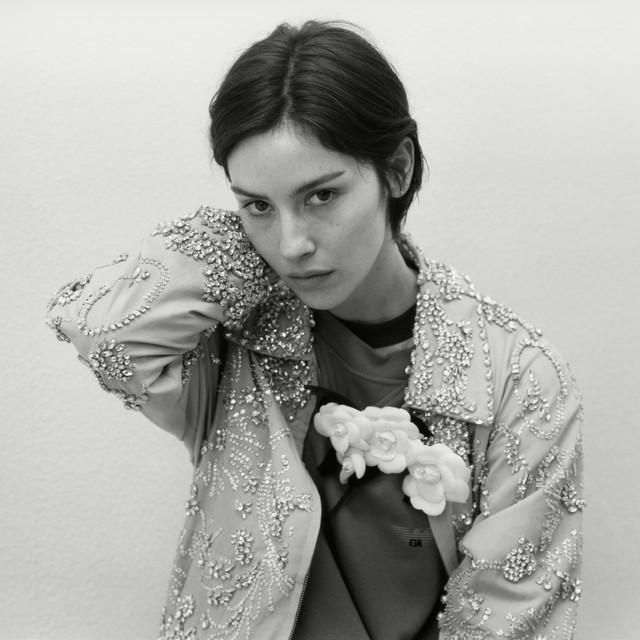
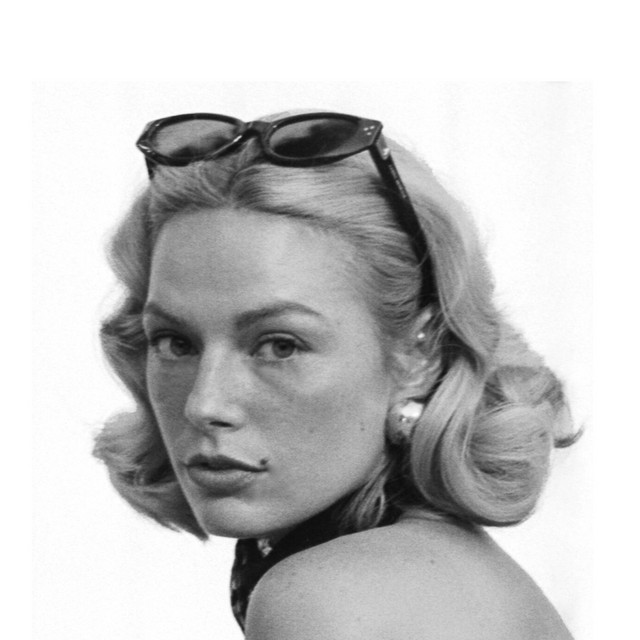
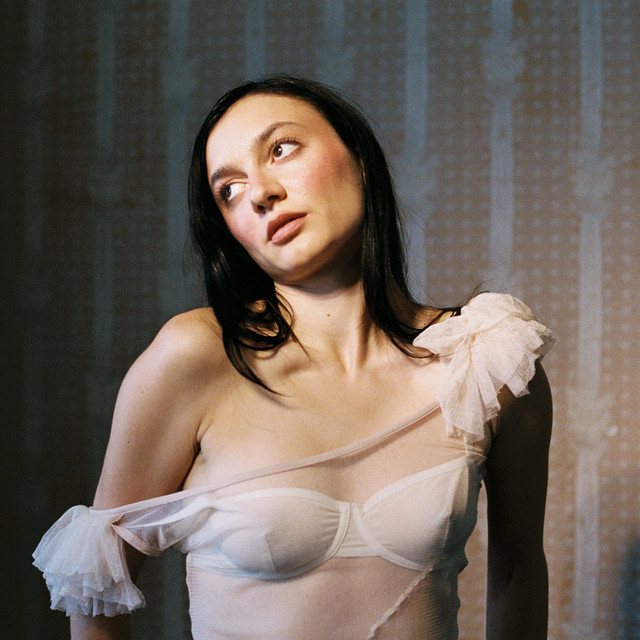
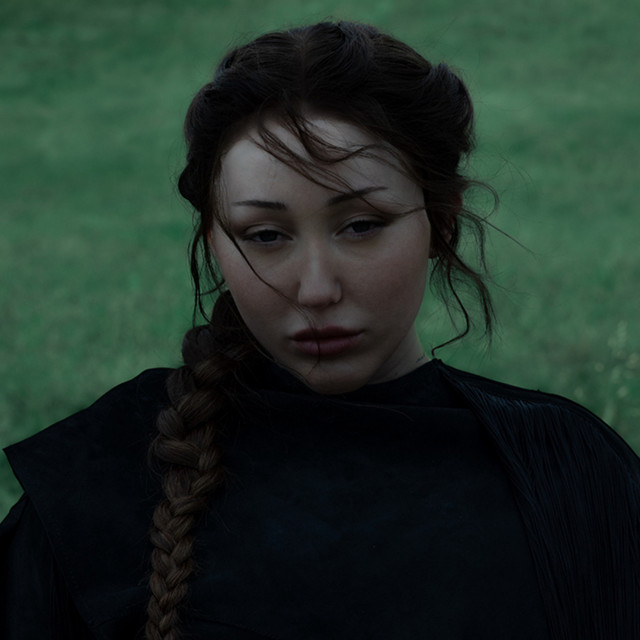
Showing 25 of 216 artists






About Alt z
Note: Alt Z is a fictional music genre created for this description. It is not a documented historical fact, but a conceptual lens through which to explore a hypothetical scene.
Alt Z emerged from the shadows of the early 2010s underground, where experimental rock bands met electronic producers in warehouse nights across Lisbon, Berlin, and Osaka. It coalesced as a reaction to genre pigeonholing, a sonic compromise between the tactile edge of post-punk and the sculpted atmosphere of ambient techno. The earliest crews treated Alt Z as a label for process, not style: a method of working with hybrids, loops, and live electronics that could bend to the mood of a room rather than a preset playlist. By 2012–2014, small labels pressed limited‑run vinyl and cassettes, while clubs began curating Alt Z nights that mixed improvised guitar textures with modular synth bursts.
The sound signature centers on hazy guitar chords, dusty drum machines, and airy, breathy synth pads, overdriven bass, and spoken or softly sung vocal lines. Rhythms tend to hover in the mid-tempo range, roughly 90 to 120 BPM, just fast enough to carry a rhythm without sacrificing atmosphere. Production emphasizes tactile texture: vinyl crackle, looped footsteps, rain on windows, and samples drawn from old radio broadcasts or overlooked field recordings. The palette favors melancholic melody and dissonant counterpoints, where gentle harmonies meet jagged textures, creating sonic cities you can walk through.
Alt Z thrives on collaboration and cross-pollination. Its origin stories braid alt-rock’s guitar honesty with ambient drones, industrial percussion, and experimental pop oddities. Across continents, artists built a shared vocabulary while honoring local sounds: the rain-soaked streets of Lisbon, the club acoustics of Berlin, the neon slickness of Osaka, and the sunlit edges of São Paulo. This pluralism remains central to the genre, inviting newcomers to remix, reinterpret, or push beyond the last boundary.
Key artists and ambassadors in this imagined lineage include Nova Voss, a Berlin-based vocalist whose spoken-word verses drift into choral refrains; Kaito Ren, a Tokyo-born producer stitching glitchy percussion to shoegaze guitar; Sable Orfeo, a Lisbon producer weaving field recordings with cinematic pads; Mhae Nyx, a São Paulo live-electronics performer shaping a nocturnal carnival of sound; and Aris Vale, a Montreal-based DJ who blends hip-hop cadence with ethereal textures. Together they symbolize Alt Z’s ethos: boundary-respecting, genre-bending, and relentlessly exploratory.
In terms of geography, Alt Z remains strongest in Europe and the Americas, with robust scenes in Germany, Portugal, Brazil, Japan, and Canada. It is less about a single nation and more about a network: labels, collectives, online communities, and intimate venues where experimentation is welcomed. For the ardent listener, Alt Z offers a map of cities and moods rather than a fixed blueprint: a place to hear walls breathe, and to imagine new routes between emotion and echo. For enthusiasts, Alt Z is a listening practice as much as a genre—an invitation to discover overlooked harmonies in the margins and to invent nocturnal anthems.
Alt Z emerged from the shadows of the early 2010s underground, where experimental rock bands met electronic producers in warehouse nights across Lisbon, Berlin, and Osaka. It coalesced as a reaction to genre pigeonholing, a sonic compromise between the tactile edge of post-punk and the sculpted atmosphere of ambient techno. The earliest crews treated Alt Z as a label for process, not style: a method of working with hybrids, loops, and live electronics that could bend to the mood of a room rather than a preset playlist. By 2012–2014, small labels pressed limited‑run vinyl and cassettes, while clubs began curating Alt Z nights that mixed improvised guitar textures with modular synth bursts.
The sound signature centers on hazy guitar chords, dusty drum machines, and airy, breathy synth pads, overdriven bass, and spoken or softly sung vocal lines. Rhythms tend to hover in the mid-tempo range, roughly 90 to 120 BPM, just fast enough to carry a rhythm without sacrificing atmosphere. Production emphasizes tactile texture: vinyl crackle, looped footsteps, rain on windows, and samples drawn from old radio broadcasts or overlooked field recordings. The palette favors melancholic melody and dissonant counterpoints, where gentle harmonies meet jagged textures, creating sonic cities you can walk through.
Alt Z thrives on collaboration and cross-pollination. Its origin stories braid alt-rock’s guitar honesty with ambient drones, industrial percussion, and experimental pop oddities. Across continents, artists built a shared vocabulary while honoring local sounds: the rain-soaked streets of Lisbon, the club acoustics of Berlin, the neon slickness of Osaka, and the sunlit edges of São Paulo. This pluralism remains central to the genre, inviting newcomers to remix, reinterpret, or push beyond the last boundary.
Key artists and ambassadors in this imagined lineage include Nova Voss, a Berlin-based vocalist whose spoken-word verses drift into choral refrains; Kaito Ren, a Tokyo-born producer stitching glitchy percussion to shoegaze guitar; Sable Orfeo, a Lisbon producer weaving field recordings with cinematic pads; Mhae Nyx, a São Paulo live-electronics performer shaping a nocturnal carnival of sound; and Aris Vale, a Montreal-based DJ who blends hip-hop cadence with ethereal textures. Together they symbolize Alt Z’s ethos: boundary-respecting, genre-bending, and relentlessly exploratory.
In terms of geography, Alt Z remains strongest in Europe and the Americas, with robust scenes in Germany, Portugal, Brazil, Japan, and Canada. It is less about a single nation and more about a network: labels, collectives, online communities, and intimate venues where experimentation is welcomed. For the ardent listener, Alt Z offers a map of cities and moods rather than a fixed blueprint: a place to hear walls breathe, and to imagine new routes between emotion and echo. For enthusiasts, Alt Z is a listening practice as much as a genre—an invitation to discover overlooked harmonies in the margins and to invent nocturnal anthems.