Genre
alternative metalcore
Top Alternative metalcore Artists
Showing 14 of 14 artists
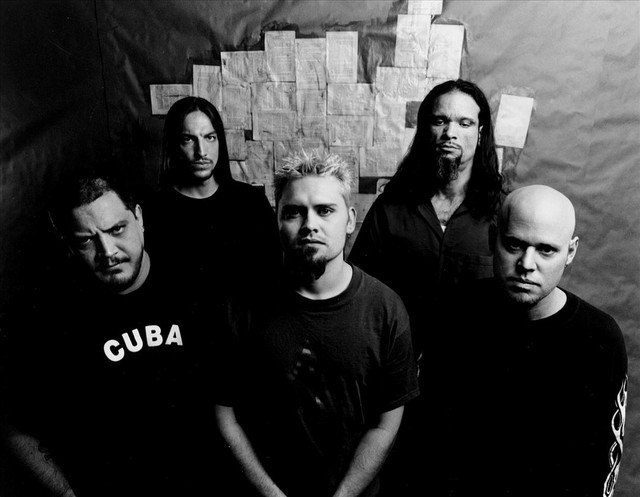


About Alternative metalcore
Alternative metalcore is a hybrid that sits at the crossroads of metalcore’s kinetic aggression and the melodic, experimental instincts of alternative metal. It emerged as bands in the late 1990s and early 2000s began blending the down-tuned, palm-muted onslaught of hardcore with the hazy atmosphere, odd tempos, and guitar textures found in bands like Tool and Deftones. The scene coalesced in the United States and northern Europe, where a new generation of acts pushed the boundaries of song structure beyond traditional verse-chorus forms, moving toward mood shifts, hook-laden riffs, and sometimes electronic textures.
The birth of this fusion came as metalcore matured from its hardcore-punk roots into more melodic territory. Early 2000s outfits swapped brutal churn for dynamic contrasts: clean singing paired with screams, guitar lines that flirt with post-hardcore melodicism, and arrangements that could swing from crushing breakdowns to dreamlike atmospherics in a single track. The result is a genre that keeps the pulse pounding while inviting listeners into atmospheres that feel almost traditional alternative in their emotional range.
Sonic traits include crisp, heavy guitar tones, frequent tempo shifts, and a willingness to insert melodic hooks, harmonized guitar lines, and occasional synths or samples. Vocals alternate between ferocious screams, growls, and clean singing, sometimes within the same song. Lyrically, themes often roam from personal introspection to social critique, with an emphasis on emotional nuance rather than sheer aggression. Production tends to balance aggression with space for melodic textures to breathe, producing a sound that can be both brutal and almost accessible at once.
As it evolved, alternative metalcore absorbed influences from electronic music, industrial textures, and math-rock-inspired rhythms, giving bands a broader palette without sacrificing core intensity. Sub-styles emerged: more melodically leaning acts that emphasize atmosphere, and more experimental outfits that push time signatures and unconventional song structures. The genre remains a fertile site of experimentation while maintaining a legible, heavy rock backbone.
Key artists and ambassadors vary by region, but several acts helped anchor the term in the public consciousness:
- Underoath (USA): a bridge between metalcore’s ferocity and melodic, expansive arrangements.
- Killswitch Engage (USA): foundational to metalcore’s fusion of melody and aggression, influencing many later blends.
- Bring Me the Horizon (UK): started in metalcore circles and evolved toward electronic and experimental textures.
- Bullet for My Valentine (UK): exemplifies melodic, radio-friendly metalcore that still bears heavy roots.
- Architects (UK) and The Devil Wears Prada (USA): among bands known for blending aggressive riffs with memorable hooks.
Popularity is strongest in North America and Western Europe, with vibrant scenes in Brazil, Japan, and parts of Southeast Asia. The genre’s openness to cross-pollination makes it particularly resilient and influential in modern metal and rock circles, often serving as a bridge between pure heaviness and more experimental, emotionally expansive music.
The birth of this fusion came as metalcore matured from its hardcore-punk roots into more melodic territory. Early 2000s outfits swapped brutal churn for dynamic contrasts: clean singing paired with screams, guitar lines that flirt with post-hardcore melodicism, and arrangements that could swing from crushing breakdowns to dreamlike atmospherics in a single track. The result is a genre that keeps the pulse pounding while inviting listeners into atmospheres that feel almost traditional alternative in their emotional range.
Sonic traits include crisp, heavy guitar tones, frequent tempo shifts, and a willingness to insert melodic hooks, harmonized guitar lines, and occasional synths or samples. Vocals alternate between ferocious screams, growls, and clean singing, sometimes within the same song. Lyrically, themes often roam from personal introspection to social critique, with an emphasis on emotional nuance rather than sheer aggression. Production tends to balance aggression with space for melodic textures to breathe, producing a sound that can be both brutal and almost accessible at once.
As it evolved, alternative metalcore absorbed influences from electronic music, industrial textures, and math-rock-inspired rhythms, giving bands a broader palette without sacrificing core intensity. Sub-styles emerged: more melodically leaning acts that emphasize atmosphere, and more experimental outfits that push time signatures and unconventional song structures. The genre remains a fertile site of experimentation while maintaining a legible, heavy rock backbone.
Key artists and ambassadors vary by region, but several acts helped anchor the term in the public consciousness:
- Underoath (USA): a bridge between metalcore’s ferocity and melodic, expansive arrangements.
- Killswitch Engage (USA): foundational to metalcore’s fusion of melody and aggression, influencing many later blends.
- Bring Me the Horizon (UK): started in metalcore circles and evolved toward electronic and experimental textures.
- Bullet for My Valentine (UK): exemplifies melodic, radio-friendly metalcore that still bears heavy roots.
- Architects (UK) and The Devil Wears Prada (USA): among bands known for blending aggressive riffs with memorable hooks.
Popularity is strongest in North America and Western Europe, with vibrant scenes in Brazil, Japan, and parts of Southeast Asia. The genre’s openness to cross-pollination makes it particularly resilient and influential in modern metal and rock circles, often serving as a bridge between pure heaviness and more experimental, emotionally expansive music.