Genre
pinoy hip hop
Top Pinoy hip hop Artists
Showing 25 of 1,540 artists

About Pinoy hip hop
Pinoy hip hop is the Philippines’ own voice inside the global hip hop culture. It’s a local synthesis of American rap rhythms, Filipino languages, and the country’s vivid street and city life. What makes Pinoy hip hop distinct is not just the language switch from English to Tagalog and regional dialects, but a storytelling approach that can be playful, gritty, political, or deeply personal. It often blends boom-bap or trap beats with Filipino melodies and local percussion, creating a sound that feels both rooted and contemporary.
Most historians point to the late 1980s and early 1990s as the cradle of Pinoy hip hop. The scene coalesced as Filipino MCs and producers began rapping in Tagalog and mixing it with streetwise rhymes over borrowed and new beats. A figure who looms large in this origin story is Francis Magalona, widely celebrated as the King of Filipino Rap. His 1990 breakthrough album Yo! and the iconic track Mga Kababayan Ko helped propel rap from a novelty to a recognized Philippine art form. From there, underground crews across Manila, Cebu, and beyond experimented with language, flow, and message, laying the groundwork for generations to come.
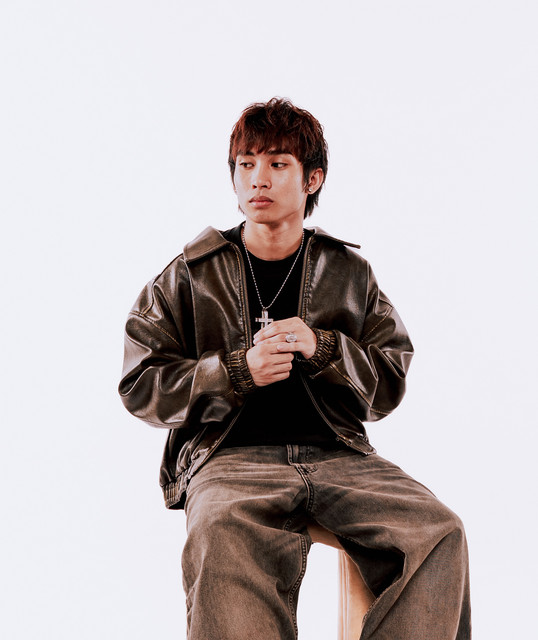
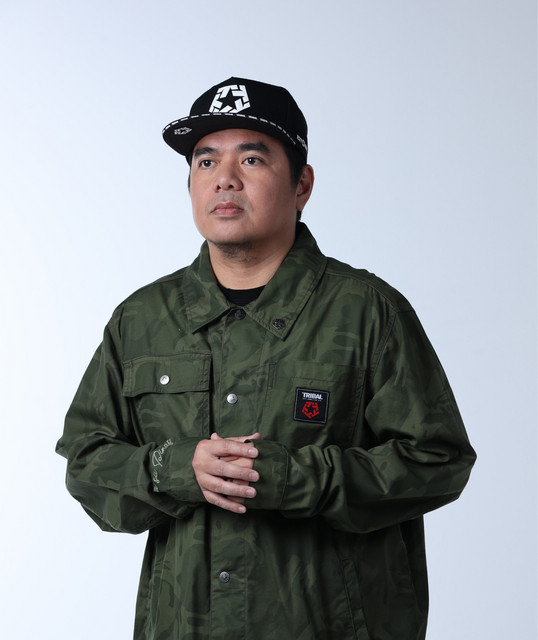
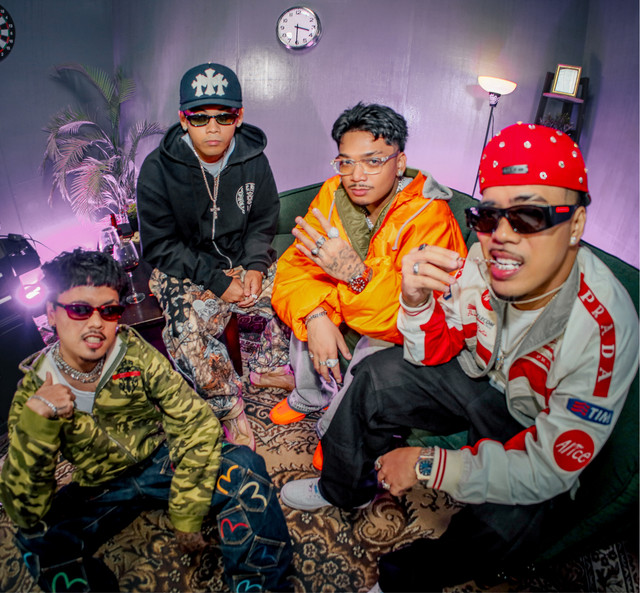
As the millennium turned, Pinoy hip hop diversified. The 1990s and 2000s saw a blossoming of local acts who carried the torch of social commentary, wordplay, and community pride. Artists began addressing OFW life, poverty, political unrest, and everyday resilience with wit and grit. By the 2010s, the scene had expanded into a vibrant, widely listened-to movement. Prominent names like Gloc-9 emerged as ambassadors for the genre’s conscience and craft—combining intricate rhymes with sharp social critique. Other important voices include Abra, known for rapid-fire storytelling and inventive wordplay, and the duo-exponents who helped popularize more radio-friendly yet genuinely street-level rap, such as the Ex Battalion collective, which brought hook-heavy, high-energy tracks into mainstream rotation. Shanti Dope later captured a new generation with tracks like Nadarang, showing a melodic, hook-driven strain of Pinoy rap that still carried street credibility.
What unites these artists is a penchant for bilingual or even multilingual lyricism, a nod to the country’s linguistic reality, and a willingness to tackle issues like identity, migration, and community. Pinoy hip hop often features autobiographical narratives—barangay streets, family, and personal ambition—paired with production that ranges from classic boom-bap to contemporary trap, lo-fi beats, and club-friendly anthems.
Globally, Pinoy hip hop remains most popular in the Philippines, where it sits at the heart of local culture. It also resonates with Filipino communities abroad—particularly in the United States, Canada, the Middle East, Australia, and parts of Europe—where diasporic audiences seek music that reflects their homesickness, pride, and shared experiences. Today’s Pinoy hip hop is a living, evolving ecosystem: intimate and political at once, proud of its roots, and continually pushing for new sounds and voices.
Most historians point to the late 1980s and early 1990s as the cradle of Pinoy hip hop. The scene coalesced as Filipino MCs and producers began rapping in Tagalog and mixing it with streetwise rhymes over borrowed and new beats. A figure who looms large in this origin story is Francis Magalona, widely celebrated as the King of Filipino Rap. His 1990 breakthrough album Yo! and the iconic track Mga Kababayan Ko helped propel rap from a novelty to a recognized Philippine art form. From there, underground crews across Manila, Cebu, and beyond experimented with language, flow, and message, laying the groundwork for generations to come.
As the millennium turned, Pinoy hip hop diversified. The 1990s and 2000s saw a blossoming of local acts who carried the torch of social commentary, wordplay, and community pride. Artists began addressing OFW life, poverty, political unrest, and everyday resilience with wit and grit. By the 2010s, the scene had expanded into a vibrant, widely listened-to movement. Prominent names like Gloc-9 emerged as ambassadors for the genre’s conscience and craft—combining intricate rhymes with sharp social critique. Other important voices include Abra, known for rapid-fire storytelling and inventive wordplay, and the duo-exponents who helped popularize more radio-friendly yet genuinely street-level rap, such as the Ex Battalion collective, which brought hook-heavy, high-energy tracks into mainstream rotation. Shanti Dope later captured a new generation with tracks like Nadarang, showing a melodic, hook-driven strain of Pinoy rap that still carried street credibility.
What unites these artists is a penchant for bilingual or even multilingual lyricism, a nod to the country’s linguistic reality, and a willingness to tackle issues like identity, migration, and community. Pinoy hip hop often features autobiographical narratives—barangay streets, family, and personal ambition—paired with production that ranges from classic boom-bap to contemporary trap, lo-fi beats, and club-friendly anthems.
Globally, Pinoy hip hop remains most popular in the Philippines, where it sits at the heart of local culture. It also resonates with Filipino communities abroad—particularly in the United States, Canada, the Middle East, Australia, and parts of Europe—where diasporic audiences seek music that reflects their homesickness, pride, and shared experiences. Today’s Pinoy hip hop is a living, evolving ecosystem: intimate and political at once, proud of its roots, and continually pushing for new sounds and voices.