Genre
ambient lo-fi
Top Ambient lo-fi Artists
Showing 13 of 13 artists



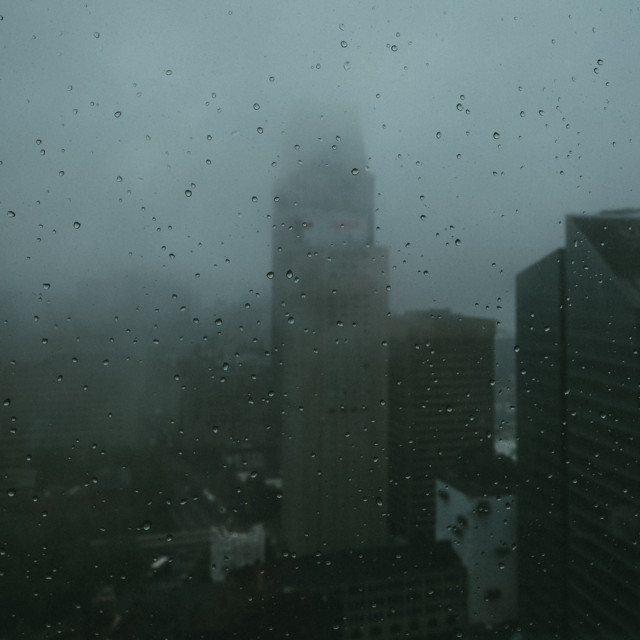







About Ambient lo-fi
Ambient lo-fi is a music space where the expansive, movie-like textures of ambient sound meet the tactile warmth and imperfections of lo-fi production. It’s not merely soft background; it’s a careful sculpting of atmosphere through imperfect timbres, dusty vinyl crackle, tape hiss, soft field recordings, and restrained, often non-punchy rhythms. The result is a sound world that feels both cinematic and intimate, spacious enough to linger in yet intimate enough to invite careful listening.
Historically, ambient lo-fi sits at an interesting crossroads. The ambient revolution began in the 1970s with Brian Eno’s seminal idea of music that is “as ignorable as it is interesting,” exemplified by albums like Music for Airports. That philosophy of atmosphere, mood, and non-didactic listening laid the groundwork. The lo-fi component—an aesthetic embracing imperfect sources, DIY recording, and unpolished textures—grew from cassette culture and bedroom studios in the 1980s and 1990s. By the late 1990s and into the 2000s, producers began blending those two strands more deliberately: soft pads with degraded samples, gentle drones with home-recorded hiss, and a patient approach to tempo and space. The rise of streaming in the 2010s—especially channels and playlists focused on “ambient” and “lo-fi”—propelled the sound into a global, easily accessible language.
Key ambassadors of ambient lo-fi span decades and geographies. Brian Eno remains the archetype of ambient sensibility, a reference point for any exploration of mood and texture. In the more ostensibly lo-fi camp, Tim Hecker’s textural explorations push ambient into a sculptural, often noisy territory that still values softness and atmosphere. The German artist Gas (Wolfgang Voigt) is another pillar, weaving lush, haunting ambient tied to a lo-fi warmth and grid-like repetition. On the other side of the Atlantic, Biosphere (Geir Jenssen) and the Japanese pioneer Hiroshi Yoshimura—with their sparse, meditative works—have been indispensable to the genre’s dreamlike spectrum. Contemporary figures like Nils Frahm, Loscil, and Hammock carry the torch forward, balancing piano-forward warmth, field recordings, and drone into serene micro-journeys.
Geographically, ambient lo-fi is a global conversation, but it has strong roots and vibrant scenes in the United States, Japan, and parts of Europe. The U.S. has long been a hub for DIY, label-driven ambient (Kranky, Ghostly International-era ecosystems, and related imprints). Japan’s meticulous sound design and sensibilities for quiet introspection have produced a distinctive strand of minimalist, almost meditative work. Europe—Germany, the UK, and the Nordic countries—has contributed a lineage of austere, expansive ambient that often embraces natural textures and precise sonic geometry. Today, the genre thrives online, with artists from many countries releasing intimate albums and contributing to a shared, borderless listening culture.
For enthusiasts, ambient lo-fi rewards patient listening. It invites you to notice the space between sounds—the subtle shifts in reverb, the grain of a vinyl crackle, the tremor of a distant street recording melting into a warm pad. It’s a genre that treats silence as a tool and memory as a musical material, offering immersive, repeatable listening that reveals new detail with every pass.
Historically, ambient lo-fi sits at an interesting crossroads. The ambient revolution began in the 1970s with Brian Eno’s seminal idea of music that is “as ignorable as it is interesting,” exemplified by albums like Music for Airports. That philosophy of atmosphere, mood, and non-didactic listening laid the groundwork. The lo-fi component—an aesthetic embracing imperfect sources, DIY recording, and unpolished textures—grew from cassette culture and bedroom studios in the 1980s and 1990s. By the late 1990s and into the 2000s, producers began blending those two strands more deliberately: soft pads with degraded samples, gentle drones with home-recorded hiss, and a patient approach to tempo and space. The rise of streaming in the 2010s—especially channels and playlists focused on “ambient” and “lo-fi”—propelled the sound into a global, easily accessible language.
Key ambassadors of ambient lo-fi span decades and geographies. Brian Eno remains the archetype of ambient sensibility, a reference point for any exploration of mood and texture. In the more ostensibly lo-fi camp, Tim Hecker’s textural explorations push ambient into a sculptural, often noisy territory that still values softness and atmosphere. The German artist Gas (Wolfgang Voigt) is another pillar, weaving lush, haunting ambient tied to a lo-fi warmth and grid-like repetition. On the other side of the Atlantic, Biosphere (Geir Jenssen) and the Japanese pioneer Hiroshi Yoshimura—with their sparse, meditative works—have been indispensable to the genre’s dreamlike spectrum. Contemporary figures like Nils Frahm, Loscil, and Hammock carry the torch forward, balancing piano-forward warmth, field recordings, and drone into serene micro-journeys.
Geographically, ambient lo-fi is a global conversation, but it has strong roots and vibrant scenes in the United States, Japan, and parts of Europe. The U.S. has long been a hub for DIY, label-driven ambient (Kranky, Ghostly International-era ecosystems, and related imprints). Japan’s meticulous sound design and sensibilities for quiet introspection have produced a distinctive strand of minimalist, almost meditative work. Europe—Germany, the UK, and the Nordic countries—has contributed a lineage of austere, expansive ambient that often embraces natural textures and precise sonic geometry. Today, the genre thrives online, with artists from many countries releasing intimate albums and contributing to a shared, borderless listening culture.
For enthusiasts, ambient lo-fi rewards patient listening. It invites you to notice the space between sounds—the subtle shifts in reverb, the grain of a vinyl crackle, the tremor of a distant street recording melting into a warm pad. It’s a genre that treats silence as a tool and memory as a musical material, offering immersive, repeatable listening that reveals new detail with every pass.