Genre
antilliaanse rap
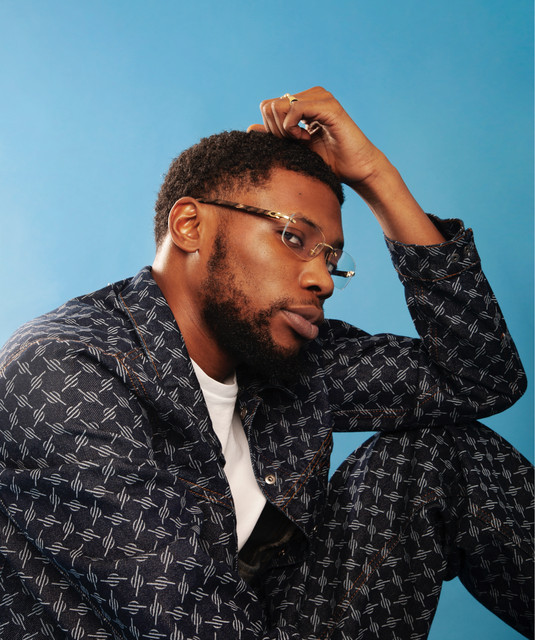
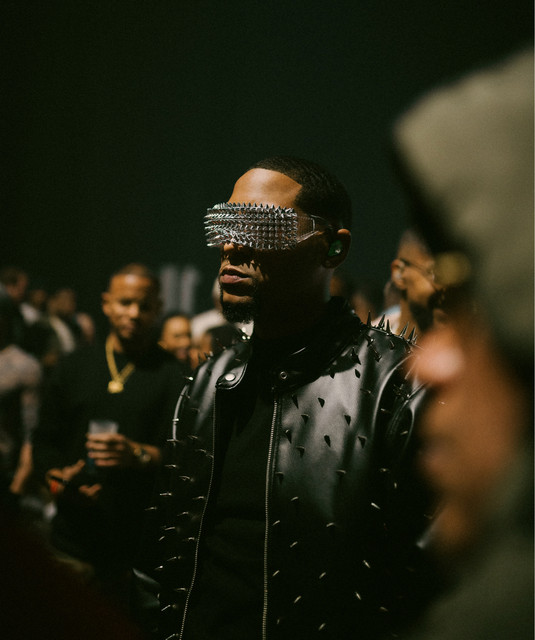
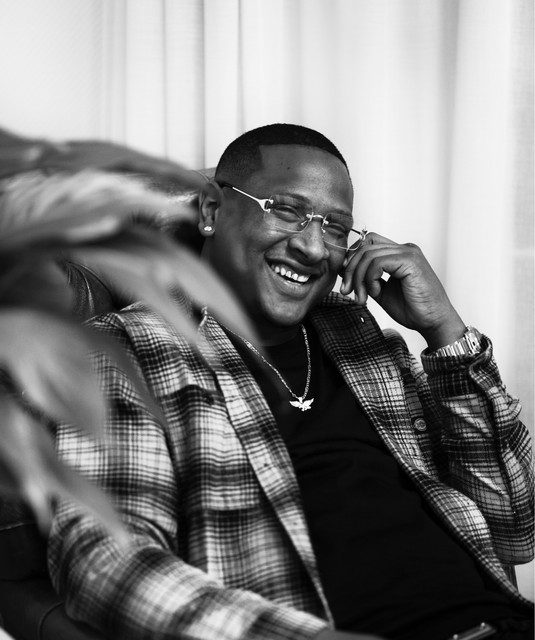
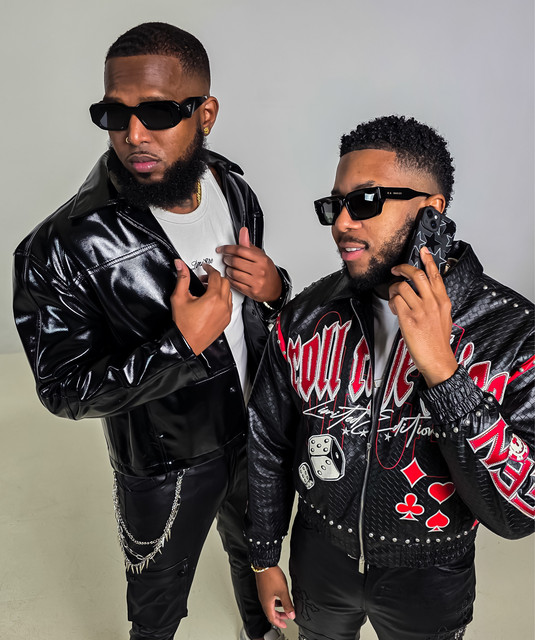
Top Antilliaanse rap Artists
Showing 25 of 28 artists
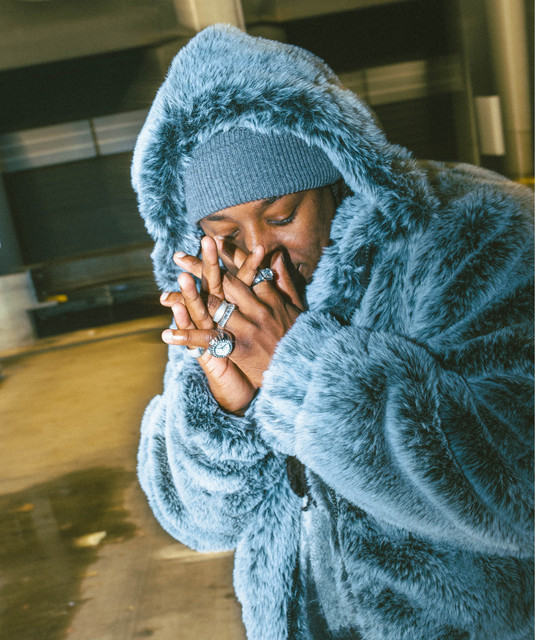
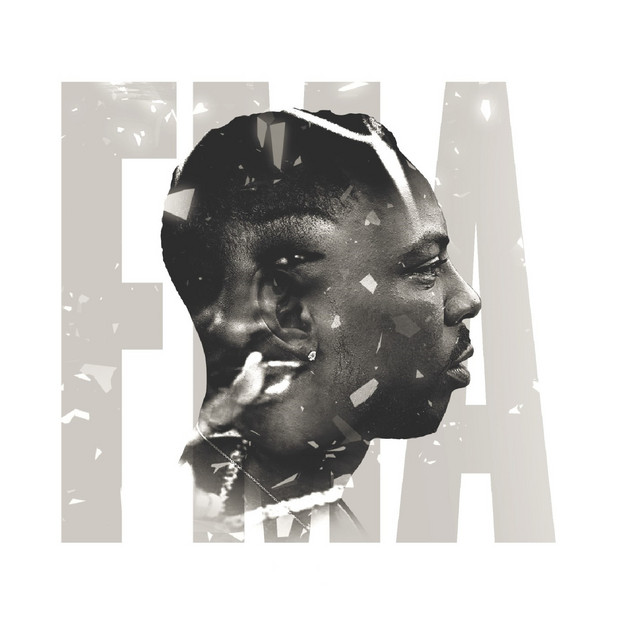
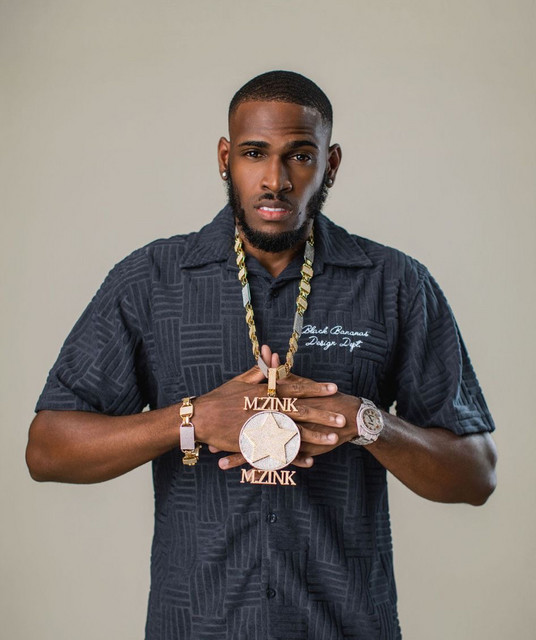
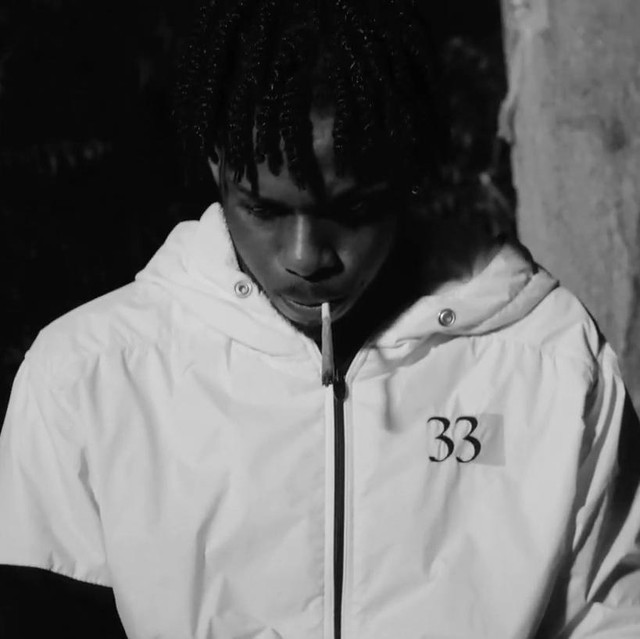



About Antilliaanse rap
Antilliaanse rap is a vibrant, regionally rooted branch of hip-hop that grows on the Caribbean archipelago known as the Antilles. It isn’t a single sound but a family of connected trends across several islands—Curaçao, Aruba, Bonaire in the Dutch Caribbean; Guadeloupe and Martinique in the French Caribbean—as well as the diaspora communities that carry these currents into the Netherlands and beyond. The genre thrives where urban life meets island rhythm, producing a tempoed, hook-driven rap that feels both sun-soaked and street-smart.
The birth of Antilliaanse rap is best understood as a late-1990s to early-2000s development, born from the everyday collision of US hip-hop with local Caribbean sensibilities. Youth on various islands absorbed the cadence and storytelling of rap while welcoming their own percussive traditions, from calypso and reggae to dancehall, zouk, gwo-ka, and soca. Producers blended digital production with live percussion and traditional timbres, creating a sound that could ride a club beat one moment and a sing-along refrain the next. This hybridity is the genre’s lifeblood: a palimpsest of languages, timbres, and cultural memories.
Linguistically, Antilliaanse rap is often multilingual. Verses may flow in Dutch, English, or Papiamento, with refrains or phrases sprinkled in French Creole or local patois. This linguistic flexibility mirrors the islands’ own histories of colonization, migration, and cultural exchange, and it gives the music a distinctive texture: lyrics that snap with urban swagger, paired with infectious, danceable cadences that invite sing-alongs in clubs and on street corners alike.
Musically, the genre leans into Caribbean grooves while maintaining the bite of modern rap. You’ll hear punchy basslines with dancehall knife-edged rhythm, the sway of zouk’s syncopation, and the punch of reggaeton-inflected drums, all threaded through with hip-hop production values—tight snare work, crisp hi-hats, and often a slick, hook-driven chorus. The result is music that feels both intimate and expansive: a soundscape for storytelling, social reflection, and party energy.
Lyrically, Antilliaanse rap often addresses migration, identity, community resilience, and everyday challenges. It serves as a conduit for islanders living away from home, for youth navigating fame and opportunity, and for communities looking to assert a modern, urban voice in conversations about culture and belonging. The genre functions both as celebration and critique, a platform where raw honesty meets festival-ready grooves.
Where is it most popular? On its home islands, Antilliaanse rap pulses through clubs, street fairs, and radio playlists, shaping a distinctly local feel. It also has a strong presence in the Netherlands, where the Antillean and Surinamese diasporas convert Caribbean-inflected rap into Dutch-language forms, expanding the audience beyond geographic borders. In the French Caribbean, Guadeloupe and Martinique have their own hold on rap that blends with gwo-ka and zouk rhythms, creating a parallel but related scene that resonates across Francophone audiences. Streaming platforms have helped the sound travel farther, drawing listeners from the wider Caribbean, Europe, and the global urban-music community, and inviting collaborations that push the genre forward.
If you’re exploring Antilliaanse rap as a music enthusiast, listen for the island sensibilities: the brisk storytelling, the bilingual or multilingual verse-play, the collision of dancehall swagger with hip-hop cadence, and the warmth of Caribbean percussion meeting the edge of urban street poetry. It’s a dynamic, evolving scene that continues to redefine what Caribbean rap can sound like in the 21st century. If you’d like, I can tailor this description to a specific island or era and include verified artists and releases.
The birth of Antilliaanse rap is best understood as a late-1990s to early-2000s development, born from the everyday collision of US hip-hop with local Caribbean sensibilities. Youth on various islands absorbed the cadence and storytelling of rap while welcoming their own percussive traditions, from calypso and reggae to dancehall, zouk, gwo-ka, and soca. Producers blended digital production with live percussion and traditional timbres, creating a sound that could ride a club beat one moment and a sing-along refrain the next. This hybridity is the genre’s lifeblood: a palimpsest of languages, timbres, and cultural memories.
Linguistically, Antilliaanse rap is often multilingual. Verses may flow in Dutch, English, or Papiamento, with refrains or phrases sprinkled in French Creole or local patois. This linguistic flexibility mirrors the islands’ own histories of colonization, migration, and cultural exchange, and it gives the music a distinctive texture: lyrics that snap with urban swagger, paired with infectious, danceable cadences that invite sing-alongs in clubs and on street corners alike.
Musically, the genre leans into Caribbean grooves while maintaining the bite of modern rap. You’ll hear punchy basslines with dancehall knife-edged rhythm, the sway of zouk’s syncopation, and the punch of reggaeton-inflected drums, all threaded through with hip-hop production values—tight snare work, crisp hi-hats, and often a slick, hook-driven chorus. The result is music that feels both intimate and expansive: a soundscape for storytelling, social reflection, and party energy.
Lyrically, Antilliaanse rap often addresses migration, identity, community resilience, and everyday challenges. It serves as a conduit for islanders living away from home, for youth navigating fame and opportunity, and for communities looking to assert a modern, urban voice in conversations about culture and belonging. The genre functions both as celebration and critique, a platform where raw honesty meets festival-ready grooves.
Where is it most popular? On its home islands, Antilliaanse rap pulses through clubs, street fairs, and radio playlists, shaping a distinctly local feel. It also has a strong presence in the Netherlands, where the Antillean and Surinamese diasporas convert Caribbean-inflected rap into Dutch-language forms, expanding the audience beyond geographic borders. In the French Caribbean, Guadeloupe and Martinique have their own hold on rap that blends with gwo-ka and zouk rhythms, creating a parallel but related scene that resonates across Francophone audiences. Streaming platforms have helped the sound travel farther, drawing listeners from the wider Caribbean, Europe, and the global urban-music community, and inviting collaborations that push the genre forward.
If you’re exploring Antilliaanse rap as a music enthusiast, listen for the island sensibilities: the brisk storytelling, the bilingual or multilingual verse-play, the collision of dancehall swagger with hip-hop cadence, and the warmth of Caribbean percussion meeting the edge of urban street poetry. It’s a dynamic, evolving scene that continues to redefine what Caribbean rap can sound like in the 21st century. If you’d like, I can tailor this description to a specific island or era and include verified artists and releases.