Genre
appenzeller folk
Top Appenzeller folk Artists
Showing 21 of 21 artists


About Appenzeller folk
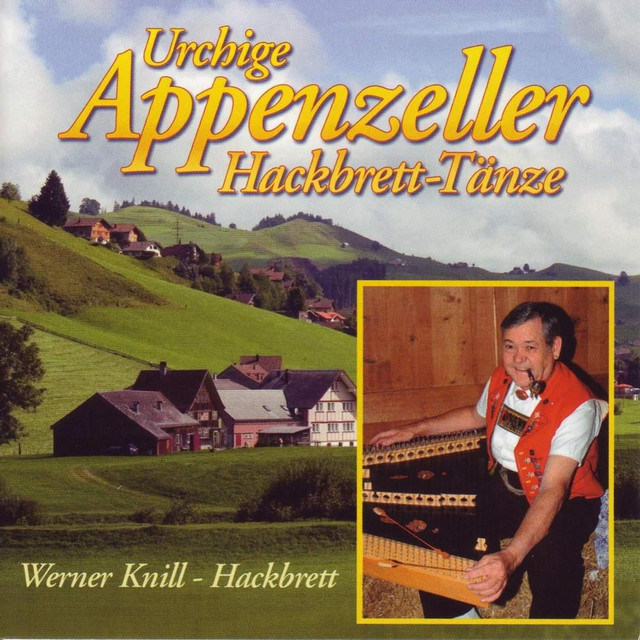
Appenzeller folk is a living thread in the tapestry of Swiss traditional music, rooted in the rain-washed valleys and limestone pastures of Appenzell, a canton famed for its rugged beauty and strong local identity. Born from the everyday life of farming, dairy work, seasonal festivals, and village dances, the genre crystallized in the 18th and 19th centuries as communities turned to music to mark harvests, weddings, and long winter nights. It sits at the crossroads of Ländler dance tunes, traditional yodeling, and the robust, intimate sound of Swiss instruments such as the zither, Schwyzerörgeli (the Swiss button accordion), violin, and bass. The alphorn, once more a ceremonial voice of the mountains, sometimes glides into arrangements, lending an echo of the alpine landscape to the music. In Appenzell specifically, local bands developed a bright, rhythmic style characterized by clear melody lines, hearty vocal refrains, and a love of communal participation.
The sonic signature of Appenzeller folk is intimate and celebratory. Tunes move through 3/4 and 2/4 time with a steady pulse that invites dancing, stepping, and singing along. Yodeling—high, ringing calls that jump registers—often punctuates the melodies, linking voices with the wind across pasture and village square. Instrumental textures favor the zither’s shimmering arpeggios, the crisp bite of the Schwyzerörgeli, and the sturdy march of accordions and violins. The repertoire includes Ländler-inspired dances, polkas, waltzes, and slower, lyric songs that tell of seasons, home, and heartache. Performances are frequently communal affairs, rooted in local festivities, harvest celebrations, and seasonal markets, yet they readily expand to concert halls and festival stages where the rural sound is put in dialogue with other traditions.
As a quality of a living tradition, Appenzeller folk has seen a revival and reinvention since the mid-20th century. Traditional village musicians continued to carry the old tunes, while ethnomusicologists and cultural programs documented the repertoire and sparked renewed interest. In the late 20th and early 21st centuries, revivalists and contemporary ensembles embraced cross-cultural collaborations, blending Appenzeller motifs with jazz textures, world music textures, and contemporary folk writing. Because of this openness, the music has found listeners beyond Switzerland’s borders. It travels well in German-speaking countries, where curiosities for regional Swiss styles are strong, and among world-music and folk audiences in Europe and North America, where festivals and folk clubs welcome its crisp, jubilant energy.
Today, ambassadors of Appenzeller folk come from all ages: elder yodelers and zither players who preserve village memory, young musicians absorbing the canton's rustic cadence, and international collaborators who bring the sound into new contexts. The genre remains inseparable from Appenzell’s landscape—pasture-green valleys, wood-smoked inns, and the air of communal celebration—while continuing to speak to music lovers worldwide who seek authenticity, warmth, and a sense of place in sound.
The sonic signature of Appenzeller folk is intimate and celebratory. Tunes move through 3/4 and 2/4 time with a steady pulse that invites dancing, stepping, and singing along. Yodeling—high, ringing calls that jump registers—often punctuates the melodies, linking voices with the wind across pasture and village square. Instrumental textures favor the zither’s shimmering arpeggios, the crisp bite of the Schwyzerörgeli, and the sturdy march of accordions and violins. The repertoire includes Ländler-inspired dances, polkas, waltzes, and slower, lyric songs that tell of seasons, home, and heartache. Performances are frequently communal affairs, rooted in local festivities, harvest celebrations, and seasonal markets, yet they readily expand to concert halls and festival stages where the rural sound is put in dialogue with other traditions.
As a quality of a living tradition, Appenzeller folk has seen a revival and reinvention since the mid-20th century. Traditional village musicians continued to carry the old tunes, while ethnomusicologists and cultural programs documented the repertoire and sparked renewed interest. In the late 20th and early 21st centuries, revivalists and contemporary ensembles embraced cross-cultural collaborations, blending Appenzeller motifs with jazz textures, world music textures, and contemporary folk writing. Because of this openness, the music has found listeners beyond Switzerland’s borders. It travels well in German-speaking countries, where curiosities for regional Swiss styles are strong, and among world-music and folk audiences in Europe and North America, where festivals and folk clubs welcome its crisp, jubilant energy.
Today, ambassadors of Appenzeller folk come from all ages: elder yodelers and zither players who preserve village memory, young musicians absorbing the canton's rustic cadence, and international collaborators who bring the sound into new contexts. The genre remains inseparable from Appenzell’s landscape—pasture-green valleys, wood-smoked inns, and the air of communal celebration—while continuing to speak to music lovers worldwide who seek authenticity, warmth, and a sense of place in sound.