Genre
arabesk
Top Arabesk Artists
Showing 25 of 1,950 artists







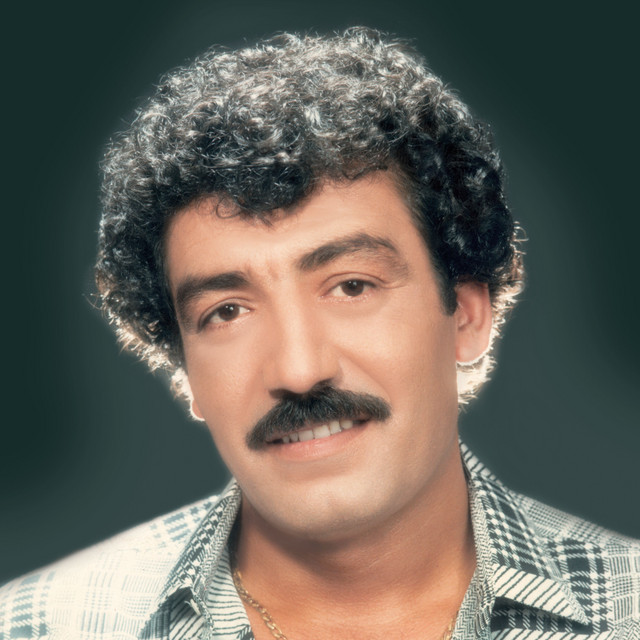



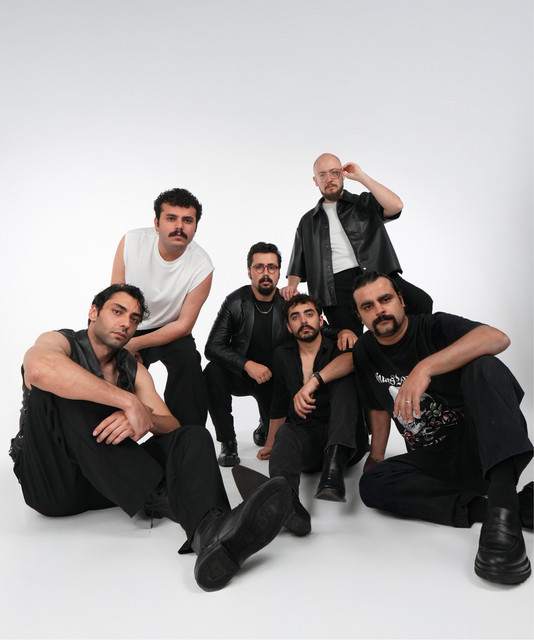













About Arabesk
Arabesk is a dramatic, emotionally charged branch of Turkish popular music that emerged in the late 1960s and flourished through the 1970s and beyond. The term, borrowed from the ornate motifs of Arabesque art, signals not a single sound but a mood: lush melodies, melancholic storytelling, and a sensibility that sits somewhere between folk authenticity and urban modernity. It’s a genre built for the heart’s extremes—longing, heartbreak, fate, and resilience—often expressed with a narrator’s sense of confession.
Origins and ambassadors
Arabesk crystallized in Istanbul’s bustling neighborhoods where musicians fused Turkish folk modes with Arab melodic influences and Western pop arrangements. A pivotal figure is Orhan Gencebay, whose work in the early scene helped define the sound: a fusion of traditional saz-based lines, orchestral strings, and accessible, emotionally direct vocals. Alongside him rose a generation of stars who would become its ambassadors: Müslüm Gürses, Ferdi Tayfur, and İbrahim Tatlıses, each shaping the signature blend of ardent vocal delivery, dramatic crescendos, and lyrics oriented to love, loss, and social life. Bülent Ersoy also helped bring Arabesk into broader visibility, merging operatic vocal technique with the genre’s intensities. Collectively, these artists gave Arabesk its enduring identity: a sound that could be intimate on a studio couch and expansive on a large stage.
Sound and form
Arabesk typically leans on melodic extremity and expressive vocal style. The voice often glides from quiet, almost whispering tenderness to a full, plaintive cry, animated by vibrato and a sense of yearning. Instrumentation blends traditional Turkish elements—strings, modal inflections from makam-based thinking—with Western orchestration, including synthesizers and electric guitars in later decades. The rhythm can be steady and hypnotic, but the emotional tempo is what matters: a slow-burn ascent that culminates in a powerful, cathartic release. Lyrically, Arabesk songs wander through love’s trials, social hardship, family honor, fate, and the everyday drama of urban life. The result is music that feels intimate yet grand, a storytelling vessel as much as a sonic experience.
Cultural footprint and reach
In Turkey, Arabesk has been a staple of urban and rural listening alike, sometimes viewed through a critical lens by mainstream media and cultural gatekeepers, yet cherished by fans who relate to its candor and melodrama. Its appeal broadened with migration and diaspora communities, particularly in Germany, where large Turkish populations kept the genre vibrant in clubs, radio, and home listening. The Netherlands, Austria, and parts of France and the Balkans also hosted enduring Arabesk communities, where the music acted as both entertainment and a link to home for émigrés.
Evolution and legacy
Over the decades, Arabesk has evolved into variants that blend pop sensibilities with the genre’s core emotional intensity. It remains a touchstone for Turkish popular music, influencing contemporary balladry, film soundtracks, and crossover acts. For enthusiasts, Arabesk offers a potent invitation: to explore how a marginalized urban sound became a national voice and a global cultural thread, carried by voices that refuse to soften their feelings.
Origins and ambassadors
Arabesk crystallized in Istanbul’s bustling neighborhoods where musicians fused Turkish folk modes with Arab melodic influences and Western pop arrangements. A pivotal figure is Orhan Gencebay, whose work in the early scene helped define the sound: a fusion of traditional saz-based lines, orchestral strings, and accessible, emotionally direct vocals. Alongside him rose a generation of stars who would become its ambassadors: Müslüm Gürses, Ferdi Tayfur, and İbrahim Tatlıses, each shaping the signature blend of ardent vocal delivery, dramatic crescendos, and lyrics oriented to love, loss, and social life. Bülent Ersoy also helped bring Arabesk into broader visibility, merging operatic vocal technique with the genre’s intensities. Collectively, these artists gave Arabesk its enduring identity: a sound that could be intimate on a studio couch and expansive on a large stage.
Sound and form
Arabesk typically leans on melodic extremity and expressive vocal style. The voice often glides from quiet, almost whispering tenderness to a full, plaintive cry, animated by vibrato and a sense of yearning. Instrumentation blends traditional Turkish elements—strings, modal inflections from makam-based thinking—with Western orchestration, including synthesizers and electric guitars in later decades. The rhythm can be steady and hypnotic, but the emotional tempo is what matters: a slow-burn ascent that culminates in a powerful, cathartic release. Lyrically, Arabesk songs wander through love’s trials, social hardship, family honor, fate, and the everyday drama of urban life. The result is music that feels intimate yet grand, a storytelling vessel as much as a sonic experience.
Cultural footprint and reach
In Turkey, Arabesk has been a staple of urban and rural listening alike, sometimes viewed through a critical lens by mainstream media and cultural gatekeepers, yet cherished by fans who relate to its candor and melodrama. Its appeal broadened with migration and diaspora communities, particularly in Germany, where large Turkish populations kept the genre vibrant in clubs, radio, and home listening. The Netherlands, Austria, and parts of France and the Balkans also hosted enduring Arabesk communities, where the music acted as both entertainment and a link to home for émigrés.
Evolution and legacy
Over the decades, Arabesk has evolved into variants that blend pop sensibilities with the genre’s core emotional intensity. It remains a touchstone for Turkish popular music, influencing contemporary balladry, film soundtracks, and crossover acts. For enthusiasts, Arabesk offers a potent invitation: to explore how a marginalized urban sound became a national voice and a global cultural thread, carried by voices that refuse to soften their feelings.