Genre
arabic jazz
Top Arabic jazz Artists
Showing 24 of 24 artists




About Arabic jazz
Arabic jazz is a living dialogue between improvisation and the traditional melodies of the Arabic world. It isn’t a single fixed style, but a family of cross-cultural experiments that blends jazz’s spontaneous, exploratory spirit with the maqam-based melodies, microtones, and rhythmic sensibilities of Arab and North African music. The result is music that can feel meditative and expansive one moment, then kinetic and propulsive the next, all while preserving a distinctly Middle Eastern or North African musical color.
Origins and evolution
Jazz arrived in the Arab world in the mid-20th century through recordings, radio, and traveling musicians, but a more defined Arabic jazz vocabulary began to emerge in the late 20th century. Musicians across North Africa, the Levant, and the diaspora started pairing improvisational jazz with Arabic scales and rhythms, using traditional instruments alongside modern jazz ensembles. This hybrid approach rapidly diversified: some projects lean toward contemplative modal pieces, others toward virtuosic, groove-driven fusion. The scene grew most visibly in Tunisia, Lebanon, and Morocco, and it flourished further in Europe and North America as artists relocated and collaborated with international players.
Key artists and ambassadors
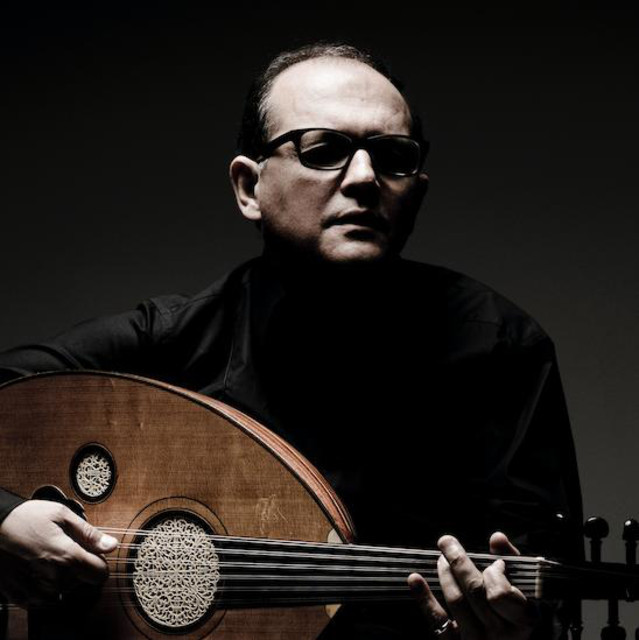
Anouar Brahem, the Tunisian oud master, is widely regarded as one of the genre’s defining voices. His work blends the intimate timbre of the oud with the open, exploratory language of jazz, often drawing on Arab-Andalusian and Mediterranean moods. Rabih Abou-Khalil, born in Lebanon and based in Europe, is another towering figure, famous for oud-driven ensembles that fuse Arab melodies with adventurous jazz, world music textures, and improvisation. Hassan Hakmoun, a Moroccan-born musician who settled in the United States, has been a crucial pioneer in Gnawa-jazz, merging hypnotic trance rhythms of Gnawa with contemporary jazz instrumentation. These artists—along with others in Europe and North America—have helped translate a regional vocabulary into a broadly international conversation, inviting jazz listeners to hear Arabic music through a new, improvisatory lens.
Sound, instruments, and feel
Arabic jazz commonly features instruments like the oud, qanun, buzuq, ney, and darbuka, paired with upright bass, piano, drums, and horn sections. The harmonic language often uses maqam-based scales and microtones, challenging Western tonal expectations, while the rhythms can range from languid bass-lines and chant-like call-and-response passages to brisk, complex, polyphonic grooves. The result is music that respects tradition but breathes freely, inviting extended improvisations and intricate dialogues between players.
Where it’s popular
The scene remains strongest in its home region—Morocco, Tunisia, Egypt, Lebanon, and the wider Maghreb—with vibrant ensembles and festivals and a growing presence in European centers like France, Germany, the UK, and the Netherlands. North American audiences—especially in cities with robust jazz and world-music scenes—have also embraced Arabic jazz through concert series, university programs, and boutique labels. For enthusiasts, Arabic jazz offers a compelling entry point into how regional musical identities can expand through improvisation, rhythm, and fearless cross-border collaboration.
Origins and evolution
Jazz arrived in the Arab world in the mid-20th century through recordings, radio, and traveling musicians, but a more defined Arabic jazz vocabulary began to emerge in the late 20th century. Musicians across North Africa, the Levant, and the diaspora started pairing improvisational jazz with Arabic scales and rhythms, using traditional instruments alongside modern jazz ensembles. This hybrid approach rapidly diversified: some projects lean toward contemplative modal pieces, others toward virtuosic, groove-driven fusion. The scene grew most visibly in Tunisia, Lebanon, and Morocco, and it flourished further in Europe and North America as artists relocated and collaborated with international players.
Key artists and ambassadors
Anouar Brahem, the Tunisian oud master, is widely regarded as one of the genre’s defining voices. His work blends the intimate timbre of the oud with the open, exploratory language of jazz, often drawing on Arab-Andalusian and Mediterranean moods. Rabih Abou-Khalil, born in Lebanon and based in Europe, is another towering figure, famous for oud-driven ensembles that fuse Arab melodies with adventurous jazz, world music textures, and improvisation. Hassan Hakmoun, a Moroccan-born musician who settled in the United States, has been a crucial pioneer in Gnawa-jazz, merging hypnotic trance rhythms of Gnawa with contemporary jazz instrumentation. These artists—along with others in Europe and North America—have helped translate a regional vocabulary into a broadly international conversation, inviting jazz listeners to hear Arabic music through a new, improvisatory lens.
Sound, instruments, and feel
Arabic jazz commonly features instruments like the oud, qanun, buzuq, ney, and darbuka, paired with upright bass, piano, drums, and horn sections. The harmonic language often uses maqam-based scales and microtones, challenging Western tonal expectations, while the rhythms can range from languid bass-lines and chant-like call-and-response passages to brisk, complex, polyphonic grooves. The result is music that respects tradition but breathes freely, inviting extended improvisations and intricate dialogues between players.
Where it’s popular
The scene remains strongest in its home region—Morocco, Tunisia, Egypt, Lebanon, and the wider Maghreb—with vibrant ensembles and festivals and a growing presence in European centers like France, Germany, the UK, and the Netherlands. North American audiences—especially in cities with robust jazz and world-music scenes—have also embraced Arabic jazz through concert series, university programs, and boutique labels. For enthusiasts, Arabic jazz offers a compelling entry point into how regional musical identities can expand through improvisation, rhythm, and fearless cross-border collaboration.